
Energy assessment
Recent bills, interval data and operating hours help separate energy charges from demand charges and identify daytime consumption.
Commercial solar quotes · Victoria
A business solar proposal should connect the roof design to your operating hours, electricity costs and investment requirements. Start with a clear project scope.
Direct with Lightning Energy · Property-specific advice
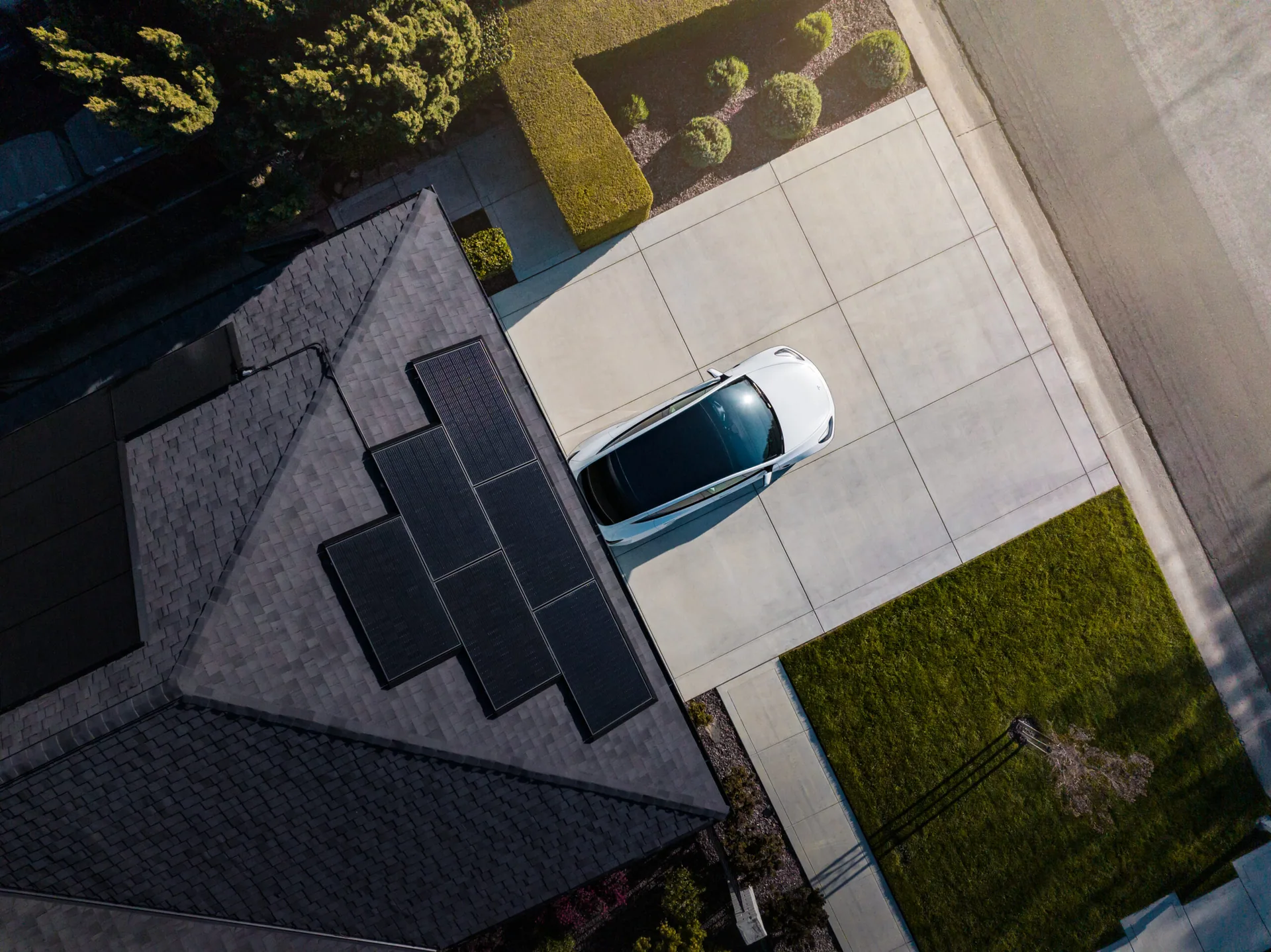
Designed around your needs
A warehouse, office and workshop can have very different electricity needs even when their roofs look similar. Interval usage data helps show when solar could offset grid purchases and when generation might be exported. We review your site, operating pattern and project objectives before discussing system capacity or an optional battery.
Recent bills, interval data and operating hours help separate energy charges from demand charges and identify daytime consumption.
Roof condition, structural suitability, access, metering and network requirements shape what can be installed and connected.
Compare the installed cost, assumptions, maintenance and optional storage. Separate estimated savings from guaranteed contractual commitments.
Compare with confidence
Keep these details together when comparing equipment options or quotes. Ask for clarification wherever a cost or responsibility is unclear.
Talk through your optionsPrice and scope
The federal Small-scale Renewable Energy Scheme expanded to eligible solar systems above 100 kW and up to 1 MW installed from 1 October 2026. Site capacity, expansion rules, equipment, installation and approval requirements still apply. Existing systems supported under the large-scale scheme remain under that scheme. Confirm the applicable certificate treatment before committing to a project; a larger roof does not establish eligibility on its own.
Check the current federal mid-scale solar rules ↗Make a considered choice
Storage may help shift energy or manage some peaks, depending on your tariff and load profile. Backup requires a specific design and cannot be assumed from capacity alone. Compare solar-only and solar-plus-storage scenarios using the same operating data, including conversion losses, reserve settings and maintenance. State-specific business incentives should only be included where the project actually qualifies.
From enquiry to proposal
Choose a consultation time below, or call our team. Explain your property, priorities and timing.
Have recent bills, interval usage data if available, the site address and operating hours ready. Include lease or ownership constraints, planned new equipment and any required completion dates.
Review the recommended equipment, installed scope, incentives and any outstanding site checks before deciding.
Available times
Choose a consultation time with Lightning Energy. This starts a conversation about your project; it does not commit you to an installation.
Provide the site address, recent electricity bills, operating hours and interval data where available. Roof ownership, lease conditions, access and any planned expansion also help define the scope.
Yes, but roof rights, landlord consent and the lease need to be considered. Clarify who owns the system, who benefits and what happens at the end of the tenancy.
Not necessarily. Daytime demand, export approval, roof constraints, tariff structure and project cost all affect the result. Use the same assumptions when comparing system sizes.
The installation plan should identify access restrictions and any shutdown requirements. Agree the programme and responsibilities before work begins; do not assume there will be no interruption.
A proposal may remain subject to site assessment, structural advice and network approval. Ask which checks are complete and which costs or conditions remain provisional.
Question 1 of 6
