Efficient heating and cooling

Split-system, multi-split and ducted reverse-cycle heating and cooling, designed around your Melbourne home. Get capacity, placement and controls matched to your rooms, routine and available solar.

Split, multi-split or ducted

Which air conditioning suits your home?

Air conditioning in Melbourne needs to earn its place in winter as well as summer. A draughty period home, a compact apartment and a newer open-plan house can need very different heating and cooling designs, even when their floor areas look similar.

Start with the rooms you actually use. We help you compare a single split system, several separate splits, a multi-split or ducted reverse-cycle air conditioning around your layout and daily routine.

Split-system air conditioning

One indoor unit connects to one outdoor unit. It can be a practical choice for a bedroom, home office or living area, with its own controls and no distribution ducts.

Consider: whether air can reach the whole intended space. One head in a hallway is not a substitute for assessing separate bedrooms behind closed doors.

Multi-split air conditioning

Several indoor units share one outdoor unit. This can suit a home with limited outdoor space where different rooms need individual controls.

Consider: the combined capacity when several rooms run together, pipe routes and the permitted indoor-unit combinations. Compare it with separate splits before deciding.

Ducted reverse-cycle air conditioning

A central indoor unit distributes heated or cooled air through ducts and outlets. It can suit a whole-home plan with discreet grilles and carefully designed zones.

Consider: roof or underfloor access, duct insulation, return-air paths and the minimum airflow each zone arrangement needs. Closing every unused outlet is not always appropriate.

Heating and cooling, reinvented

Reverse-cycle air conditioning is a heat pump. It transfers heat indoors in winter and outdoors in summer, using electricity rather than burning gas in the home. A well-selected system can provide efficient comfort in both seasons; running costs depend on the model, conditions, settings and your electricity tariff.

  • Heat and cool from one efficient system, room by room.
  • Run it during the day on your own solar generation.
  • Replace ducted gas heating and step toward all-electric.
All-year comfortHeat + cool
System designRoom-sizedMatched to your home

Designed around your rooms

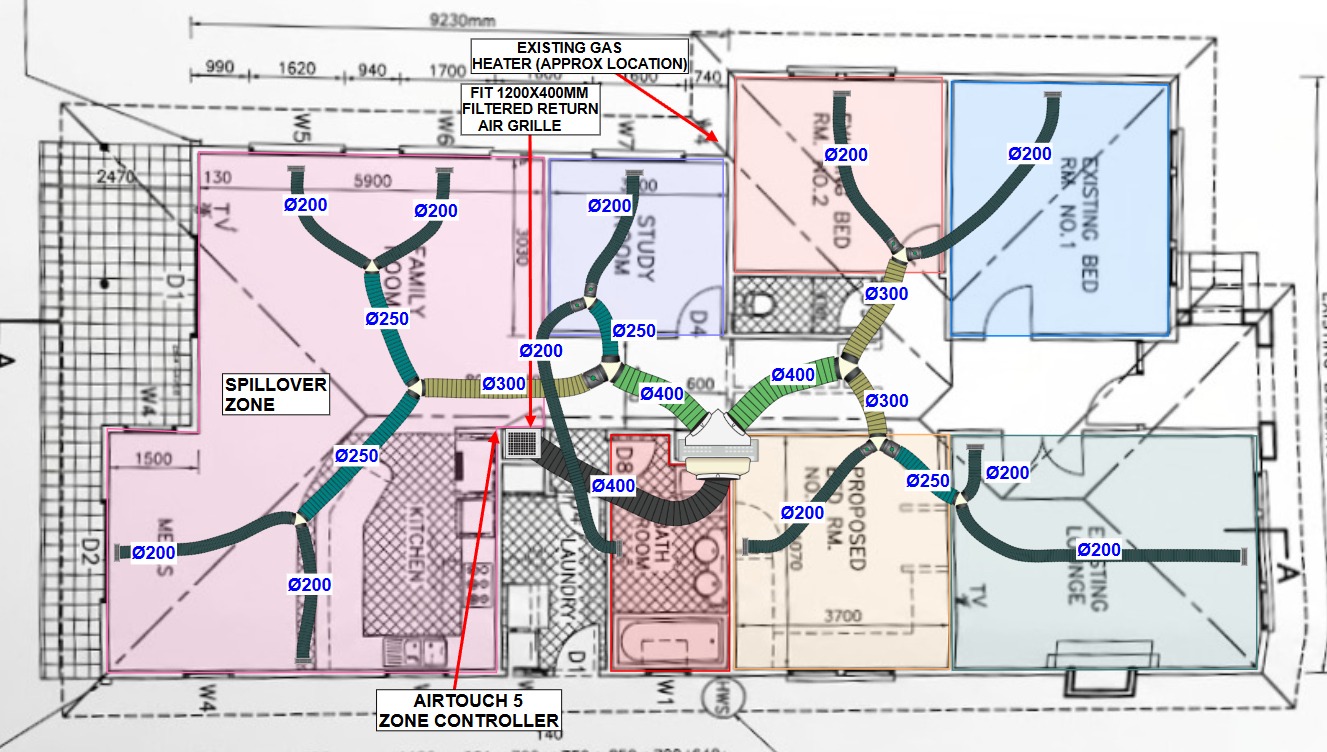
The right system depends on your rooms, how you live in them, and whether a split, multi-split, or ducted system best suits the home. For ducted air conditioning, we produce a full floor-layout design showing zones, outlets, duct routes, return air, and equipment placement before installation begins.

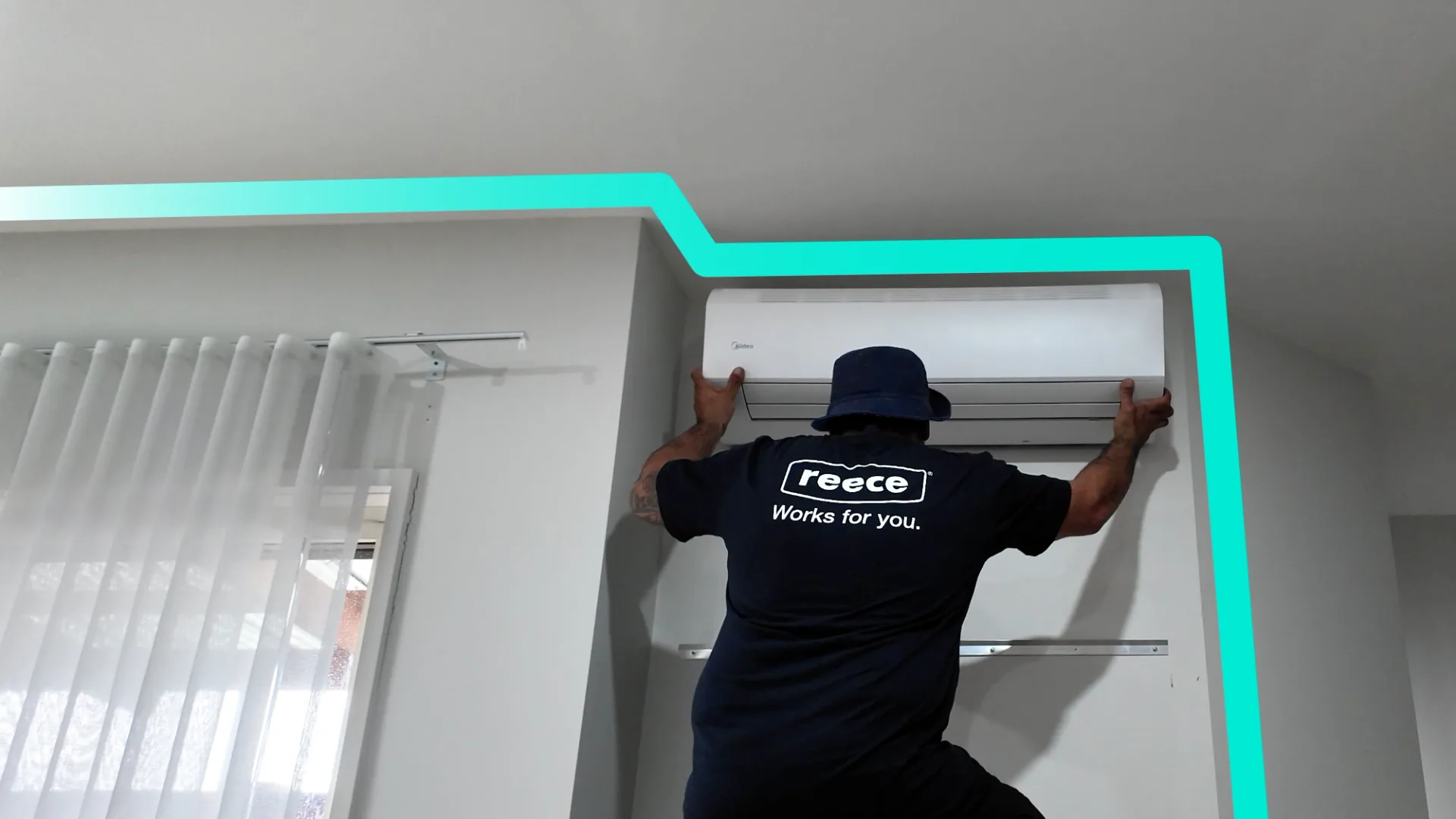
01Split system head unit

Sized to each room

Capacity matched to room size, aspect, and insulation so each space heats and cools quickly without over-spending on the wrong unit.

02Ducted air conditioning floor-layout design showing zones and duct routes

Full ducted floorplan design

We map every conditioned room, zone, outlet, duct size, return-air grille, controller, and spillover area so airflow is balanced across the whole home.

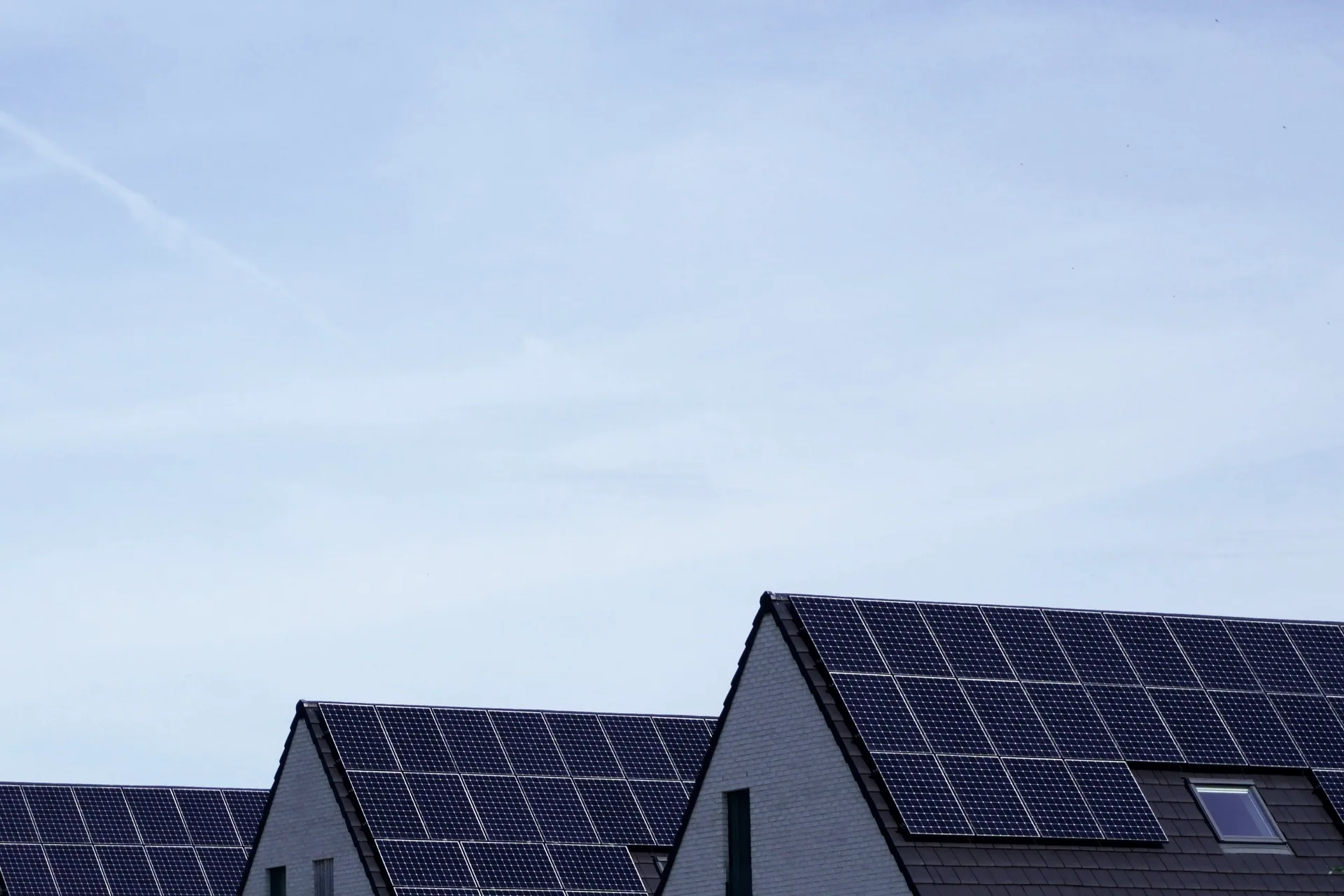
03Rooftop solar

Placement and solar timing

Indoor and outdoor units sited for airflow and low noise, then scheduled to pre-heat or pre-cool during your solar window.

Climate rebates & incentives

Check the discount for your upgrade.

Victorian Energy Upgrades discounts depend on your existing heating, the selected system and installation requirements. We check the applicable rules and show any eligible discount on your quote.

Explore VEU eligibility
VEUDiscounts for eligible upgrades

What good looks like

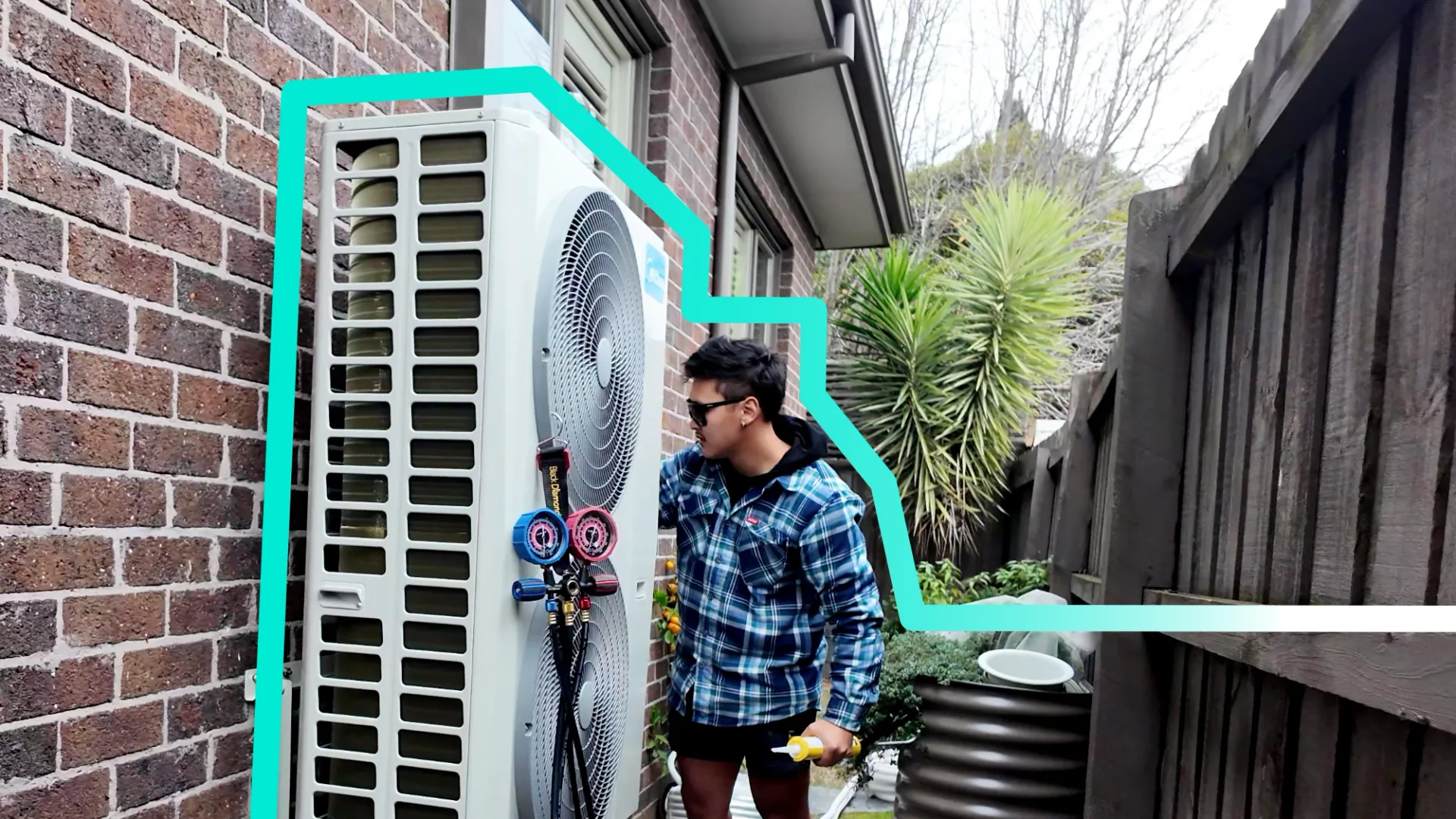
A good air conditioning install is clean pipework, quiet units in the right spots, and even comfort in every room. Placement and handover decide how well it lives with your home.

Beyond cooling

Reverse-cycle can support year-round comfort and a move away from gas heating. The right capacity, controls and household routine matter as much as the badge on the indoor unit.

One system for every season.

Warm in winter, cool in summer, room by room.

Reverse-cycle provides heating and cooling from the same system. We match the layout and available controls to the rooms you use, whether that means separate splits, a multi-split or a ducted design.

Plan your climate system
Heating and coolingLayout-matched controlsNoise-aware placement

Move heat with less electricity.

Match heating performance to your home.

A heat pump moves heat rather than relying on an electric resistance element. Running costs depend on the selected model, weather, rooms heated and tariff. Where solar generation is available, a suitable daytime schedule may reduce grid imports.

Plan your climate system
Model-specific efficiencySolar when availableTariff-aware schedules

Drop the ducted gas heater.

A clean replacement for gas heating.

Reverse-cycle can replace gas space heating as part of a staged upgrade. If other gas appliances remain, the gas connection and supply charge may still be needed. Removing that charge requires all gas use to end and the connection to be closed with your provider.

Plan your climate system
Gas-heating replacementStaged electrificationVEU eligibility checked

Air conditioning systems

We fit quiet, efficient reverse-cycle systems we trust in Victorian homes. We confirm model-specific warranties and check rebate eligibility for the product and installation.

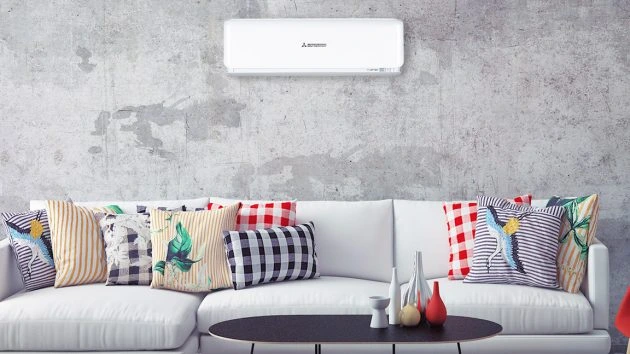
  • Mitsubishi Heavy Industries Avanti Plus in a manufacturer room photograph. Bronte and other series have different specifications.

    Split systems · Model-specific sizing

    Mitsubishi Heavy Industries

    Discuss optionsView
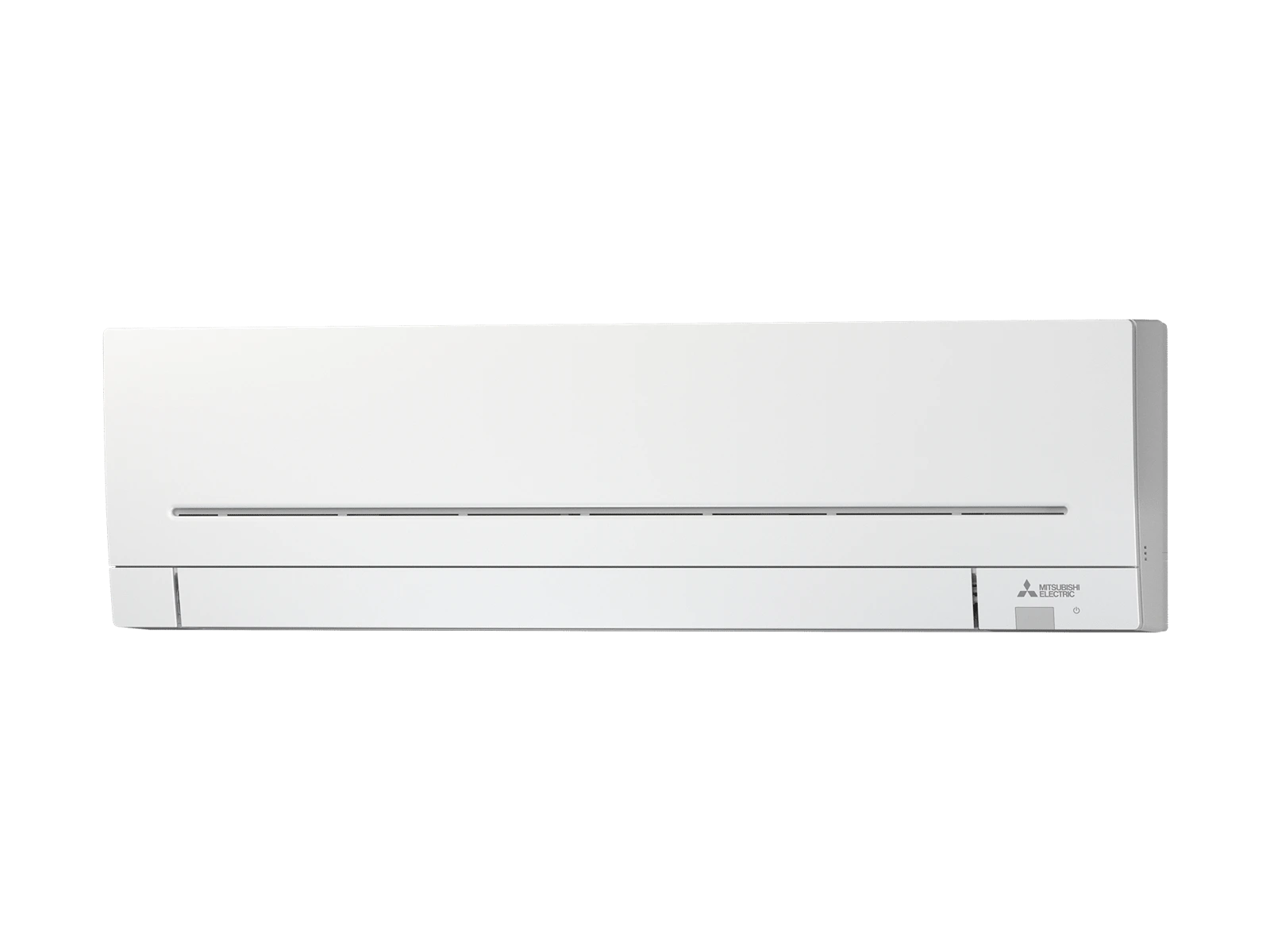
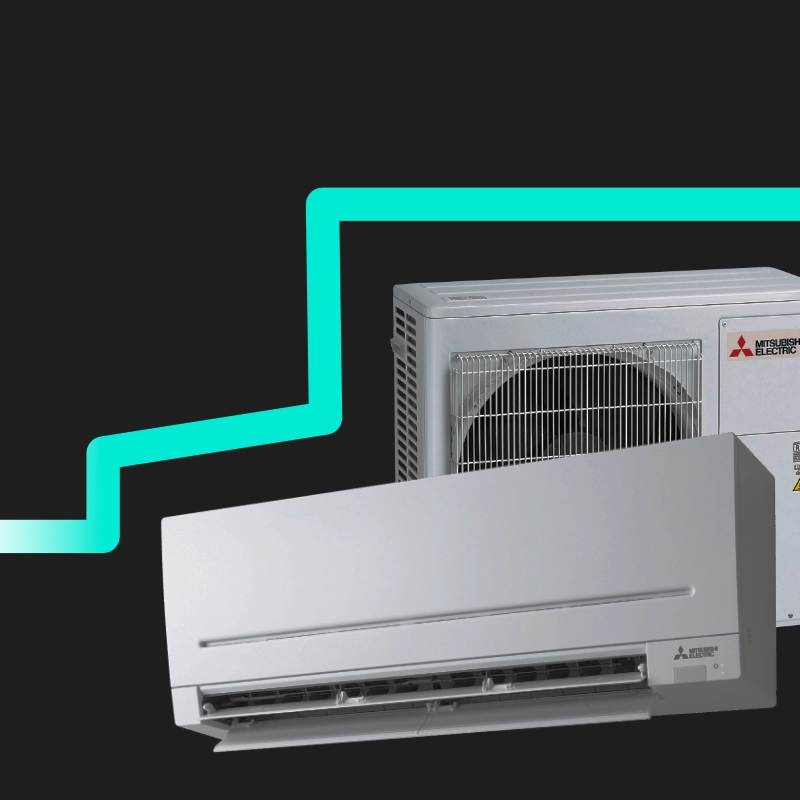
  • Mitsubishi Electric MSZ-AP indoor unit — manufacturer product image; other series and models differ.

    Split systems · Room-by-room design

    Mitsubishi Electric

    Discuss optionsView
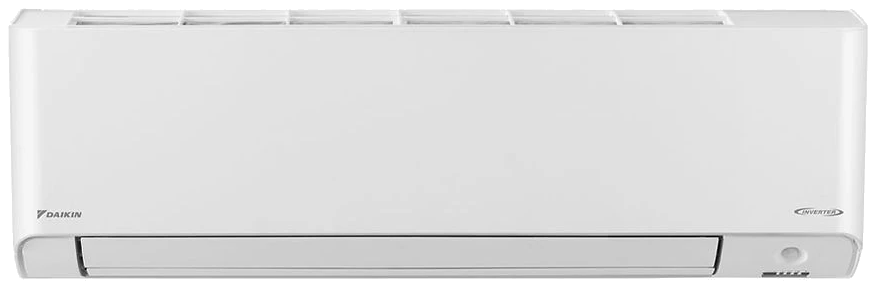
  • Daikin Alira X indoor unit — manufacturer product image; other Daikin series differ.

    Alira X and other split-system ranges

    Daikin

    Discuss optionsView
  • air conditioning category icon

    Split systems · Confirm selected series

    Midea

    Discuss optionsView
  • GENERAL residential wall-mounted air conditioner in a manufacturer room photograph. The pictured model is not identified; specifications depend on the quoted series.

    Wall-mounted range · Exact model specified

    Fujitsu / GENERAL

    Discuss optionsView

Getting off gas heating

Replacing a ducted gas heater or wall furnace with suitable reverse-cycle air conditioning adds summer cooling as well as electric heating. Plan the room layout, electrical work and removal of old equipment together.

NowReplace gas or old heaters with efficient reverse-cycle
NextMove hot water and cooking off gas over time
FutureOnce all gas appliances are replaced, arrange disconnection

Melbourne heating and cooling guide

What matters before you choose.

Size for your rooms and Melbourne winters

A heat-load assessment looks beyond square metres. Ceiling height, glazing, orientation, shading, insulation and air leakage all influence the capacity required. West-facing glass and an open staircase can change how a room behaves.

Check heating performance as well as cooling output. Improving insulation and sealing unwanted draughts can reduce the load before you pay for a larger unit. Bring a floor plan and tell us which rooms feel coldest in winter or overheat in summer.

Read the cold-climate energy rating

Melbourne is in the Cold zone on the Zoned Energy Rating Label. Where the model carries this label, compare the heating and cooling stars for that zone on models with similar capacity, rather than choosing the biggest star number anywhere on the label.

The label’s annual kWh figures are a comparison tool, not a forecast of your bill. Your usage, tariff, thermostat and home change the result. The Energy Rating guide explains what the figures mean; we can walk through the selected model with you.

Replacing gas heating with reverse-cycle

A gas-heating replacement is a chance to reconsider the layout. Separate split systems may suit a household using only a few rooms; a ducted design may suit a home needing broader coverage.

Allow for new ductwork when replacing ducted gas heating: cooling can need larger insulated ducts and a different return-air grille. We confirm the design after assessing the existing installation. We also review electrical capacity and removal of the old equipment. Gas supply charges only end when the remaining gas appliances and connection are dealt with.

Outdoor placement and neighbour noise

An outdoor unit needs clear airflow, maintenance access and a suitable mounting position. Nearby bedroom windows, hard reflective walls and vibration through brackets all matter, especially on narrow Melbourne blocks.

A low indoor fan-noise figure does not tell you how the outdoor unit will sound at a neighbour’s window. We consider the outdoor rating and location together. EPA Victoria’s household noise guidance is a useful starting point when planning the position.

Victorian Energy Upgrades for air conditioning

An eligible reverse-cycle installation may receive an upfront discount through Victorian Energy Upgrades (VEU). The amount varies with the equipment being replaced, the approved new system and the installation. It is not one fixed rebate for every Melbourne home.

Eligibility checks, accredited-provider arrangements and applicable minimum customer payments need to be confirmed before work starts. We show the eligible discount and remaining cost in your quote. Read our rebate guide or the Victorian Government’s current heating and cooling guidance for program details.

Use solar and controls to manage running costs

If you have rooftop solar, try scheduling some heating or cooling while generation is available. How long that comfort lasts depends on the building, weather and when you get home. Solar does not make overnight heating free.

Match timers and zones to your routine, keep filters clean and compare running costs using your actual electricity tariff. A home battery can shift some solar to later hours, but the air conditioner’s demand needs to be included when sizing storage.

What should an installation quote include?

Compare the complete installed scope. A headline unit price does not tell you whether electrical work, old-system removal or a difficult pipe run is included. Send us photos of the current equipment and switchboard, your floor plan and the rooms you want conditioned so we can prepare a useful recommendation.

Planning other upgrades too? Our home electrification guide explains how heating, hot water, solar and charging can fit together.

  • Exact indoor and outdoor model numbers, capacities and controls.
  • Locations, pipe routes, drainage, mounting and access requirements.
  • Electrical work and, for ducted systems, the duct and zoning design.
  • Removal, any eligible discount, exclusions, warranties and applicable compliance certificates.

The Lightning process

No guesswork. We assess your rooms, prepare the system and floor-layout design and install it cleanly. Where solar is available, we discuss schedules that make use of daytime generation.

01

Assess

Rooms, usage, insulation, existing heating, placement, and rebate eligibility.

02

Recommend

Split, multi-split, or fully designed ducted, with sizing, zones, rebates, and cost made clear.

03

Install

Clean pipework, quiet placement, electrical done right, minimal disruption.

04

Handover

Timers explained, solar timing considered where available, and warranties reviewed.

Local advice, practical design

Air conditioning across Melbourne.

From our Malvern East showroom, we help Melbourne households plan heating and cooling around the property they have. That might mean finding outdoor space for a townhouse, choosing room controls for a family home or checking apartment approval requirements early.

Explore our local service pages, or tell us your suburb and project details when you book. We will confirm the installation scope and availability for your address.

Available times

Book a climate consultation.

Pick a time that works. We'll review your rooms, current heating, split or ducted options, solar pairing and any eligible Victorian Energy Upgrades discount.

Loading consultations…

Melbourne air conditioning questions.

Which air conditioning system is best for a Melbourne home?

It depends on the rooms you use, winter heating needs and available installation space. A split system can suit one room or an open-plan area. Multi-split connects several indoor units to one outdoor unit. Ducted reverse-cycle can serve multiple rooms through ceiling or floor outlets, with a designed zoning and return-air arrangement.

What size split system do I need?

Floor area is only a starting point. Ceiling height, insulation, window area, sun exposure and open doorways all affect the load. We assess the space before recommending capacity. A unit’s heating or cooling capacity in kW describes its output, not the electricity it draws continuously.

How much does air conditioning installation in Melbourne cost?

The installed price depends on the exact model, capacity, number of rooms and site work. Pipe length, access, outdoor mounting, drainage, electrical upgrades and any ductwork can change the total. Send us a floor plan and photos for a scoped quote that identifies inclusions, exclusions and any eligible VEU discount.

Can reverse-cycle replace ducted gas heating?

Yes, a suitable reverse-cycle system can provide electric heating and summer cooling. Allow for new ductwork: reverse-cycle cooling can need larger insulated ducts and a different return-air grille. The existing installation needs a design assessment. Gas appliance removal and any later gas disconnection should be included in the upgrade plan.

Is there a Victorian air conditioning rebate?

Victorian Energy Upgrades can reduce the upfront cost of an eligible heating and cooling installation. Eligibility and the discount depend on the existing equipment, approved new product, property and current program rules. Minimum customer payments apply to relevant upgrades. We confirm the eligible amount and your out-of-pocket cost before installation.

Can I run my air conditioner on solar power?

A grid-connected air conditioner can use available rooftop solar while it is running. A daytime pre-heating or pre-cooling schedule may reduce later demand, but the result depends on generation, weather, insulation and your routine. If solar is insufficient, electricity comes from the grid or a suitably configured battery.

Can I install a split system in an apartment or townhouse?

Often, but check ownership and approvals before choosing equipment. Outdoor placement, common property, drainage, external appearance and neighbouring bedrooms can affect the design. If an owners corporation is involved, establish its requirements before work starts and include the agreed location and pipe route in the quote.

Does reverse-cycle air conditioning bring in fresh air?

Most residential split systems recirculate indoor air. Heating, cooling and filtering that air are different from supplying outdoor air. HVAC stands for heating, ventilation and air conditioning, but a standard air conditioner does not provide every part of that service. Consider ventilation separately when planning a more airtight home.

How often should I clean or service my air conditioner?

Follow the exact model’s maintenance instructions and cleaning intervals. Keep filters clean and outdoor airflow clear, and arrange professional inspection if performance changes, water leaks or unusual noise develops. Ducted systems also need attention to return-air filters and accessible ductwork. Ask us to include maintenance guidance in the handover.

Guidance checked 21 September 2026 against Your Home, Energy Rating, Victorian Energy Upgrades and EPA Victoria. We confirm model details and applicable incentives when preparing your quote.