Battery Brands Go to War
After the May 2026 rebate trim, installs plunged off the April peak and brands fought on price — Sigenergy, GoodWe, Tesla. Why batteries are as competitive as they’ve been.
Australia — Did you know home batteries got more competitive after the big rebate was trimmed? Here’s what happened.
On 1 May 2026, the federal Cheaper Home Batteries Program moved to size tiers — strongest support on the first 14 kWh — and stepped the STC factor down from 8.4 to 6.8 for May–December. The program still targets around 30% off an eligible system, but the maths got tighter once you size up.
Then demand did what demand does when a sugar hit fades.
Households pulled installs forward ahead of the May settings. SunWiz figures reported across AU trade press show about 2.4 GWh of home storage registered in April 2026 — a record month. The AFR later put capacity over the following three months at down almost 70% from that April peak. Analysts still called it a reset above year-ago levels — but for factories that had just ramped, it felt like the floor moved. Average system sizes also shrank as the tier rules rewarded right-sizing, including the 20–30 kWh band.
Volume cooled after the pull-forward unwound — fewer rush jobs, more competition for every remaining quote. At the same time, global pack economics kept improving on manufacturing overcapacity (BNEF’s 2025 survey had stationary pack prices falling hard). During the 2025 rebate rush the local story was often shortages and wait times. After May, brands with new capacity and modular stacks needed to keep moving product in a calmer market.
Sigenergy’s stackable SigenStor all-in-one push already owned the 2025 conversation. SunWiz via RenewEconomy had Sigenergy at roughly a quarter of the Australian home-battery market for 2025 — number one from March — with Tesla no longer sitting comfortably on top.
GoodWe’s ESA all-in-one landed in the same driveway fight: stackable modules, aggressive positioning. Installer-facing coverage after May described both brands cutting module pricing to stay in the scrap. Sigenergy’s founder/CEO is Tony Xu. The company also opened its Nantong Smart Energy Center in March 2026 — more capacity coming online just as Australian volumes cooled off the April spike.
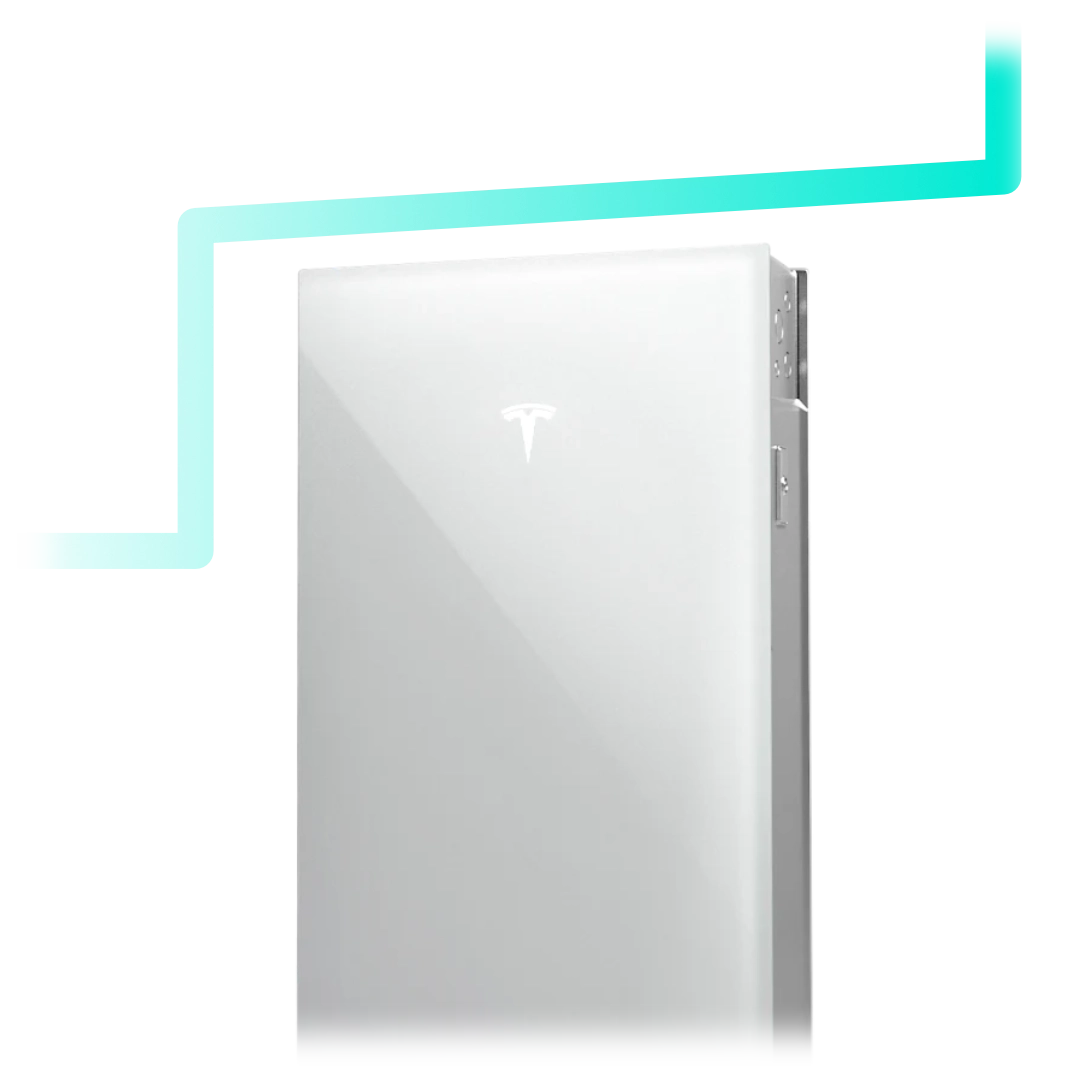
ABC reporting of SunWiz data showed Powerwall’s Australian home-battery share falling from about 20% toward about 5% in roughly seven months through 2025 — from first to around sixth — as modular rivals won on price and sizing flexibility. SunWiz put the main driver as product fit, not a single political headline. Once modular brands were racing each other, Tesla had less room to sit on premium pricing.
Anker Solix also pushed into the Australian rebate conversation in 2026 with all-in-one configs aimed at the new size tiers. Treat “from $X installed” ads as marketing floors, not your neighbour’s final bill.
The STC factor does not freeze at Christmas. Official DCCEEW scheduling steps it again into 2027 (5.7 in the first half, then 5.2), with further declines toward 2030. Discount is tied to installation date. Competition is pulling prices down now while policy support is scheduled to get thinner.
Lightning Energy’s job is the guide: design for your house, not the factory clearance. We have been doing this work for 12+ years across 8,500+ systems — proof for the plan, not the hook.
Stake your claim while the brands are still punching — and before the next scheduled rebate step does the punching for them.
Sources: DCCEEW/CER Cheaper Home Batteries settings; RenewEconomy/pv magazine Australia/SunWiz volume and brand data; AFR on capacity vs April peak; ABC/SunWiz on Tesla share; Energy-Storage.News on Tony Xu and Nantong.
Available times
Book a consultation and we'll map solar, storage, hot water, and the rebates around your bills and your goals.
Question 1 of 6