
Federal Battery Support: How to Assess an Eligible Quote
Separate program support from battery sizing, installation scope and the value of a system for your household.
Separate program support from battery sizing, installation scope and the value of a system for your household.
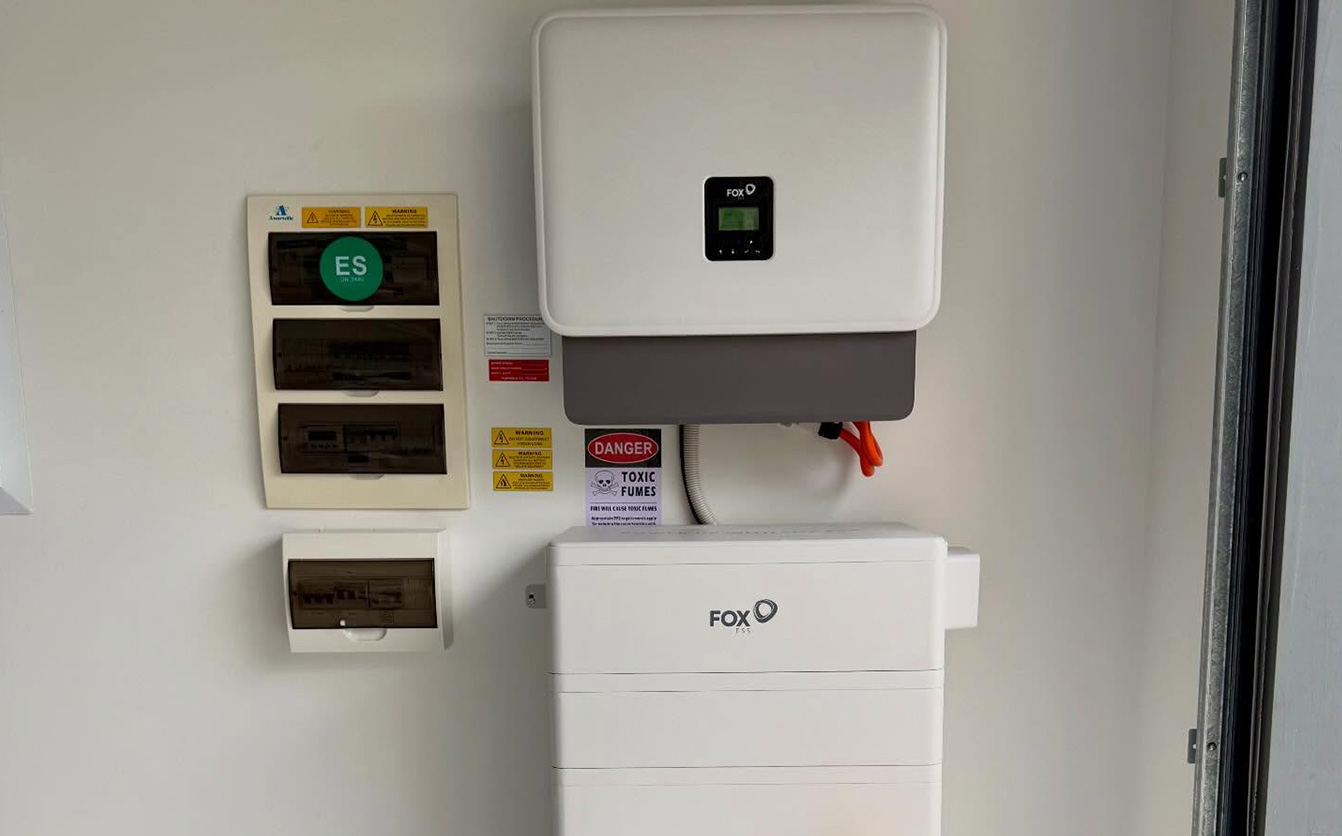
The federal home-battery discount can reduce the upfront cost of an eligible installation. It does not by itself establish that every household should buy a battery, or that the largest discounted system gives the best value.
The discount can reduce an eligible installation’s cost, but the quote still needs to describe a suitable system and a complete installation.
Assess the battery design and the incentive separately. Check capacity, backup requirements and aftercare before deciding whether the discounted offer meets your needs.
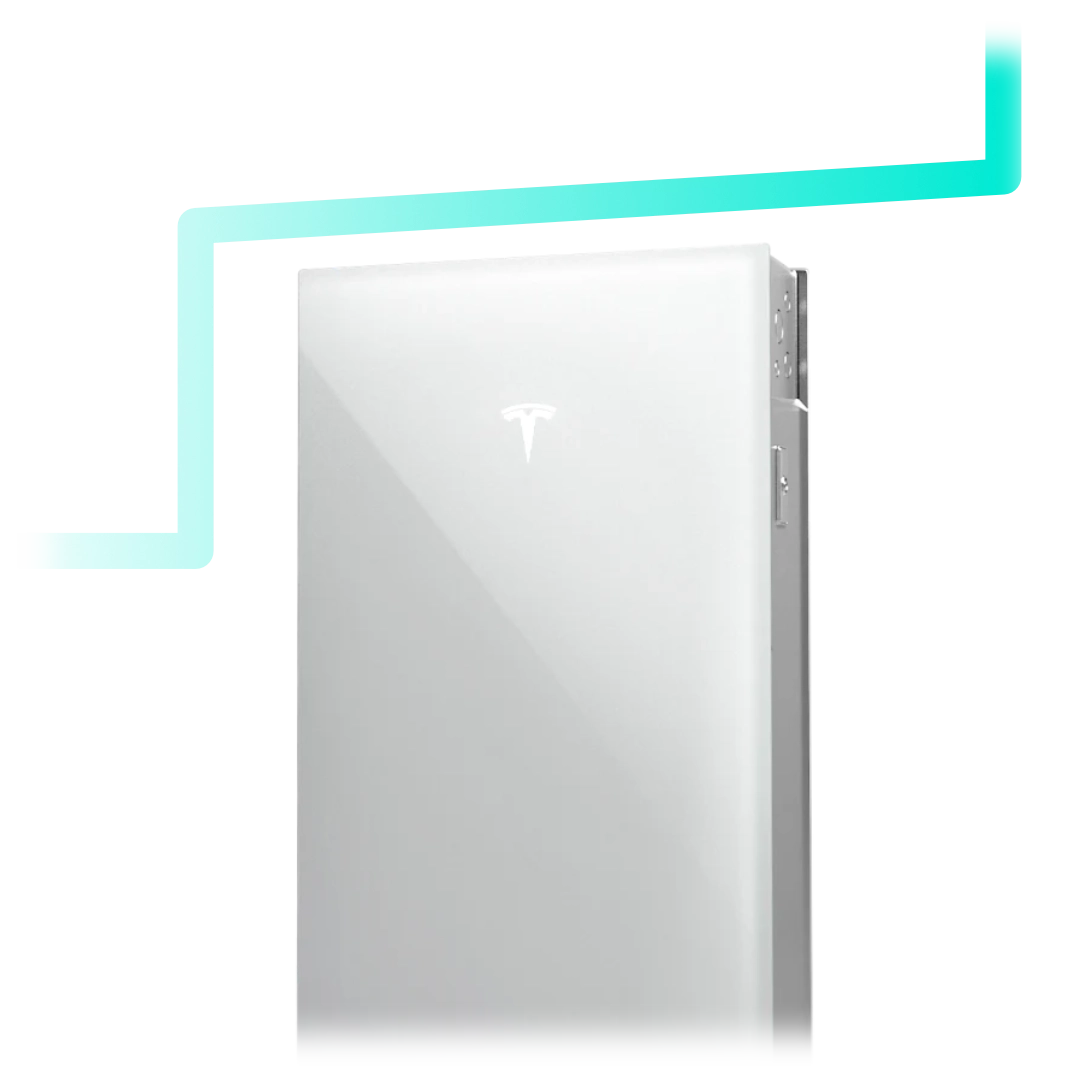
Compare the scope behind a low price. The quote should state usable capacity, backup circuits, any electrical work and the process for support. If one proposal omits these items, ask for the missing detail before comparing its total with a more complete offer.
Ask for usable capacity, backup scope, the incentive calculation and the party responsible for lodging the paperwork. A percentage alone cannot answer those questions.
Bring your bills to an assessment and ask for a proposal that explains the design, incentive calculation and final installed price.
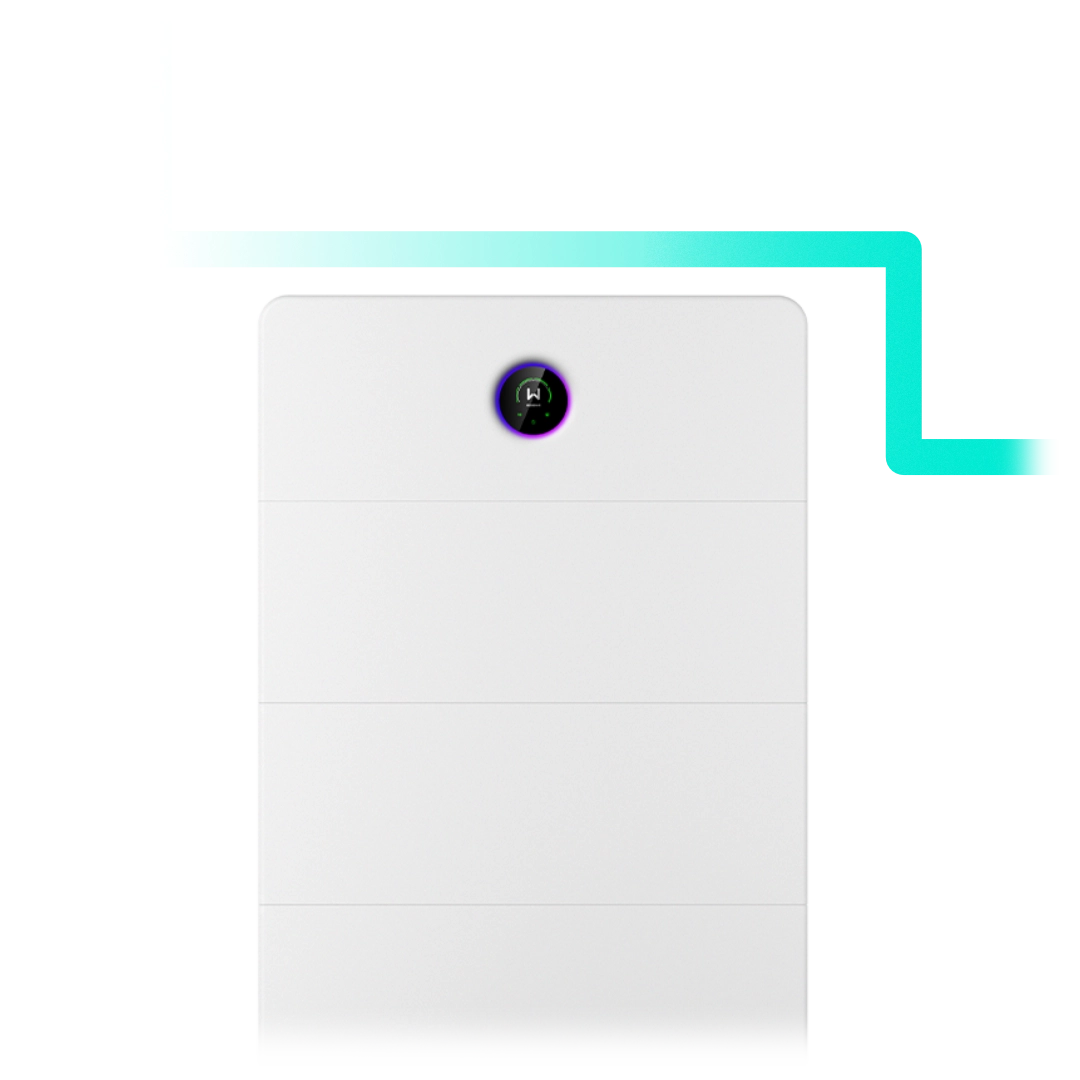
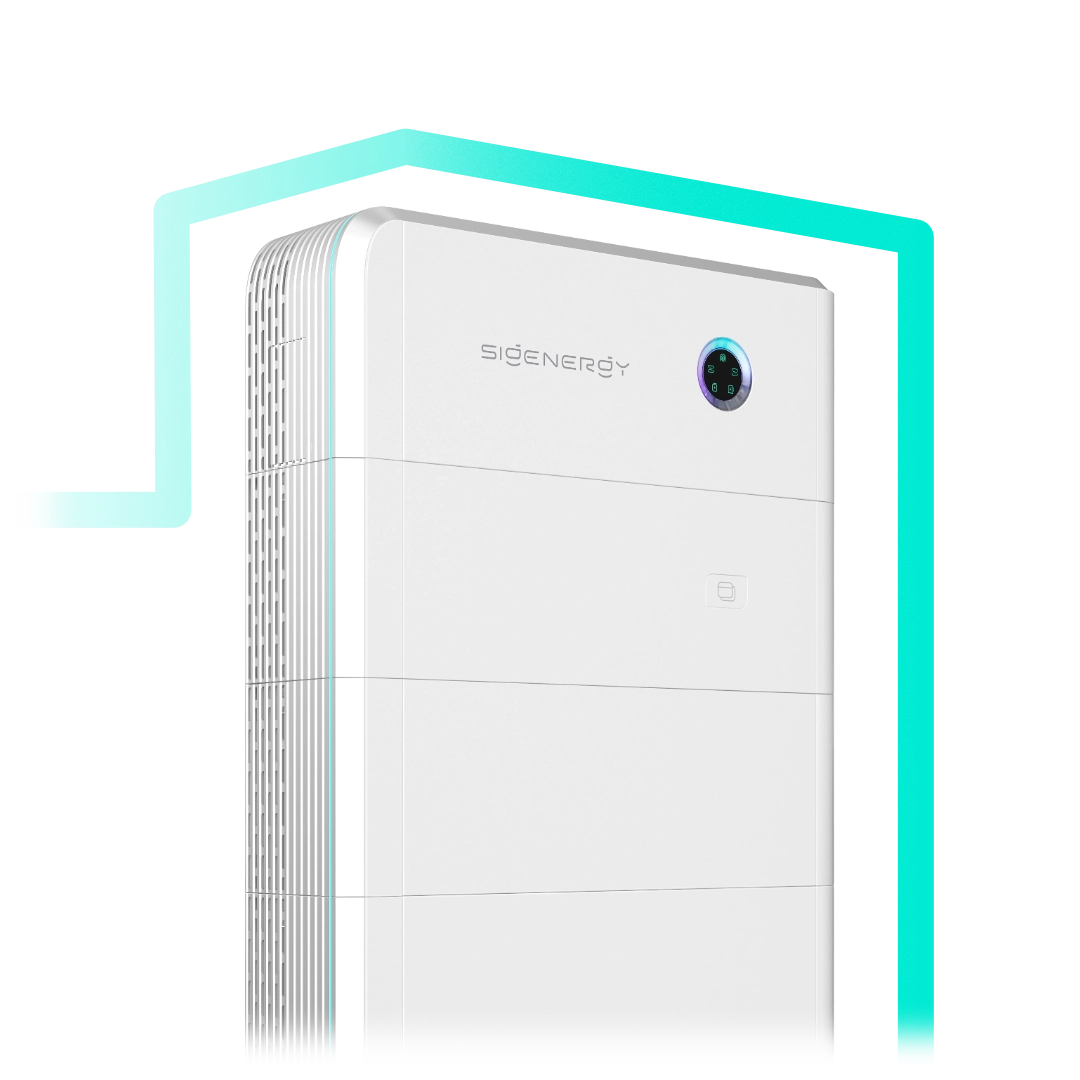
Request the price before incentives, the proposed STC discount and the final amount payable as separate lines. Check whether backup equipment, switchboard work, monitoring and commissioning are included.
The Clean Energy Regulator explains the capacity-based settings introduced from 1 May 2026. Incentive calculations should use the installation date, eligible usable capacity and applicable scheme settings. A promotional percentage is not a personalised quote.
Ask for a comparison using your daytime surplus and evening imports. A battery that regularly fills and supplies useful loads has a different financial case from one that is oversized for the available solar or rarely discharged.
Test a conservative tariff scenario as well as the headline estimate. Include losses, reserve settings and any VPP conditions. If backup is a priority, state which circuits matter and ask for that design to be costed explicitly.
Contact Lightning Energy to discuss the options for your property and electricity use.
Available times
Book a consultation and we'll map solar, storage, hot water, and the rebates around your bills and your goals.
Question 1 of 6