Energy

Fixed Network Charges and Your Solar: Why Independence Still Matters

AEMC Pricing Review points to higher fixed-style network recovery over time. Why export-only solar gets exposed — and how self-consumption still wins.

Luke CoveLightning Energy9 September 2026 · 6 min read

Australia — Did you know the rules that shape how networks recover costs are shifting again? The AEMC's final Pricing Review (June 2026) points toward more shared network access / fixed-style recovery over time — gradual, with modelling suggesting a start around 2030 and a phase measured in roughly a decade. Fixed network charges will not rewrite your bill overnight. They do change the game for lazy "export-only" solar.

Here's what happened in plain English. As more roofs generate at midday, networks still need revenue for poles, wires and substations. When households import fewer kilowatt-hours, usage-based recovery alone gets harder. Shared access and fixed-style charges are one answer regulators keep returning to. If that direction sticks, independence still matters — but the independence that matters is self-consumption and backup, not cosplaying as a mini power station that dumps everything to the grid at noon.

What the AEMC Pricing Review actually signals

The Australian Energy Market Commission's final Pricing Review in June 2026 did not invent a sudden household tax. It set a direction: more emphasis on how shared network access is paid for, with gradual implementation themes from around 2030 across roughly a ten-year phase. That is policy architecture, not a next-quarter shock.

AEMC modelling cited in the review process has pointed to network cost savings in the order of up to around $6 billion over 15 years, and something like $40–80 per household per year by 2040 in those modelled scenarios. Those figures are AEMC modelling — not a Lightning Energy guarantee, and not a promise that your bill will move by any particular dollar amount. Treat them as industry-context numbers, attributed clearly, not as a household savings claim.

What homeowners should take from the direction is simpler: the share of your bill that is "just for being connected" is politically and structurally sticky. Designing a solar system as if cheap export will always fund the ROI is a bet against that stickiness.

Why export-only solar gets exposed

Export-only thinking looks clever on a sunny sales deck. Panels go up. Inverter exports hard at midday. Feed-in credits (when they still look generous) paper over evening imports. That story frays when three things stack:

  • Feed-in rates get squeezed or export limits throttle the inverter
  • Evening retail peaks still hurt because the house imports when solar is gone
  • Fixed / shared access style charges rise so "using less from the grid" does not automatically mean "paying less to be connected"

Independence in that world is not exporting harder. It is soaking your own generation, shifting it into the evening, and reducing how much of your life is rented from a retailer at peak. Fixed network charges do not cancel solar. They punish systems designed only for the grid's lunch break.

Design for self-consumption, not export cosplay

A system built for the next decade treats storage and load timing as first-class, not as optional extras.

  1. Size solar for how you live, not for maximum midday dump. Oversizing for export alone is a weaker bet when export value falls and fixed recovery rises.
  2. Add storage that matches your evening profile. A battery is how you stake your claim on the night shift — cooking, HVAC, entertainment, EV — with your own electrons.
  3. Move flexible loads into solar hours. Hot water boost, dishwasher, pool pump, EV charge windows: own the timing.
  4. Plan backup where it matters. Shared network charges are about connection economics; backup is about keeping critical loads alive when the wires blink. Different jobs, both part of real independence.
  5. Read the bill in layers. Separate daily supply / network-style charges from usage. If fixed slices grow, shrinking imported kWh still helps — and storage protects you when usage rates jump again.

What this means for your next decision

You do not need to panic-buy because a 2030-era phase was modelled in 2026. You do need to stop shopping for "most export" as the hero metric. The household that wins the next decade is the one that owns its options: solar that feeds the house, storage that carries the peak, loads that respect tariffs, and a design that still works when the network recovery mix shifts.

Federal Cheaper Home Batteries support can take around / up to ~30% off eligible home battery systems, depending on your property and current rules. That is a helper, not a strategy. Eligibility is not automatic — check it properly rather than assuming a flyer figure.

At Lightning Energy we have spent 12+ years designing systems across more than 8,500 installs. The pattern holds: households that treat energy as infrastructure stop being hostages to whoever is recovering network costs this decade.

Stake your claim on the structure

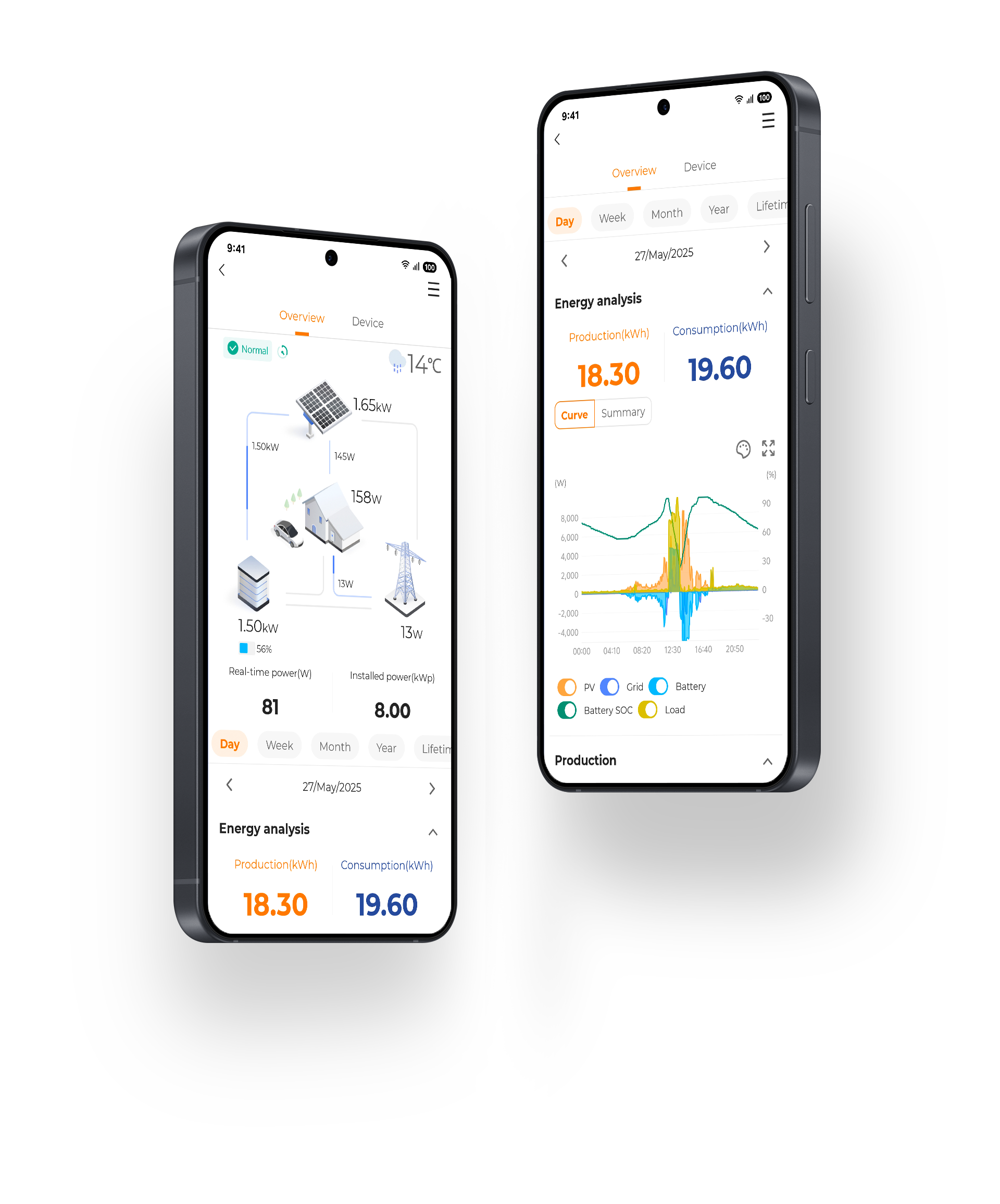
Pull your last few bills. Note supply / network-style charges versus usage. Check your solar app: how much leaves the house at noon, and how much comes back at 6–9pm? If that gap is ugly, you are looking at a design problem — not a headline problem.

If you want a system built for self-consumption and backup — not export cosplay — get a design consult that starts with your load shape, your tariff and how you actually live. Own your power. Stake your claim on independence before the recovery rules finish shifting underneath lazy solar.

Available times

Ready to talk about your own home?

Book a consultation and we'll map solar, storage, hot water, and the rebates around your bills and your goals.