
FoxESS Batteries in Australia: What to Check Before Choosing a System
Compare an approved FoxESS configuration, backup hardware, monitoring and warranty rather than price per kilowatt-hour alone.
Compare an approved FoxESS configuration, backup hardware, monitoring and warranty rather than price per kilowatt-hour alone.
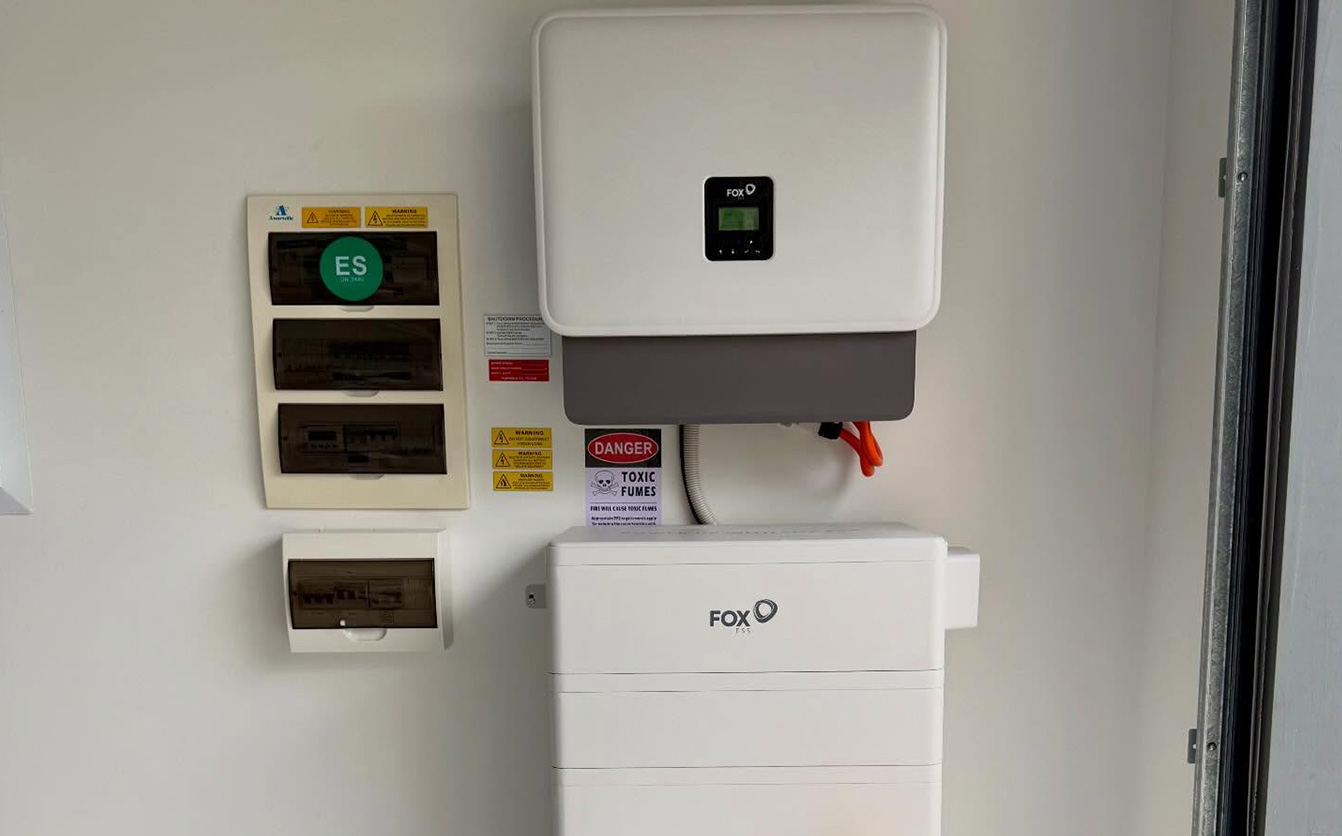
FoxESS is a product-family name, not a complete specification for a home battery. To assess a proposal, identify the inverter, battery modules and control equipment together.
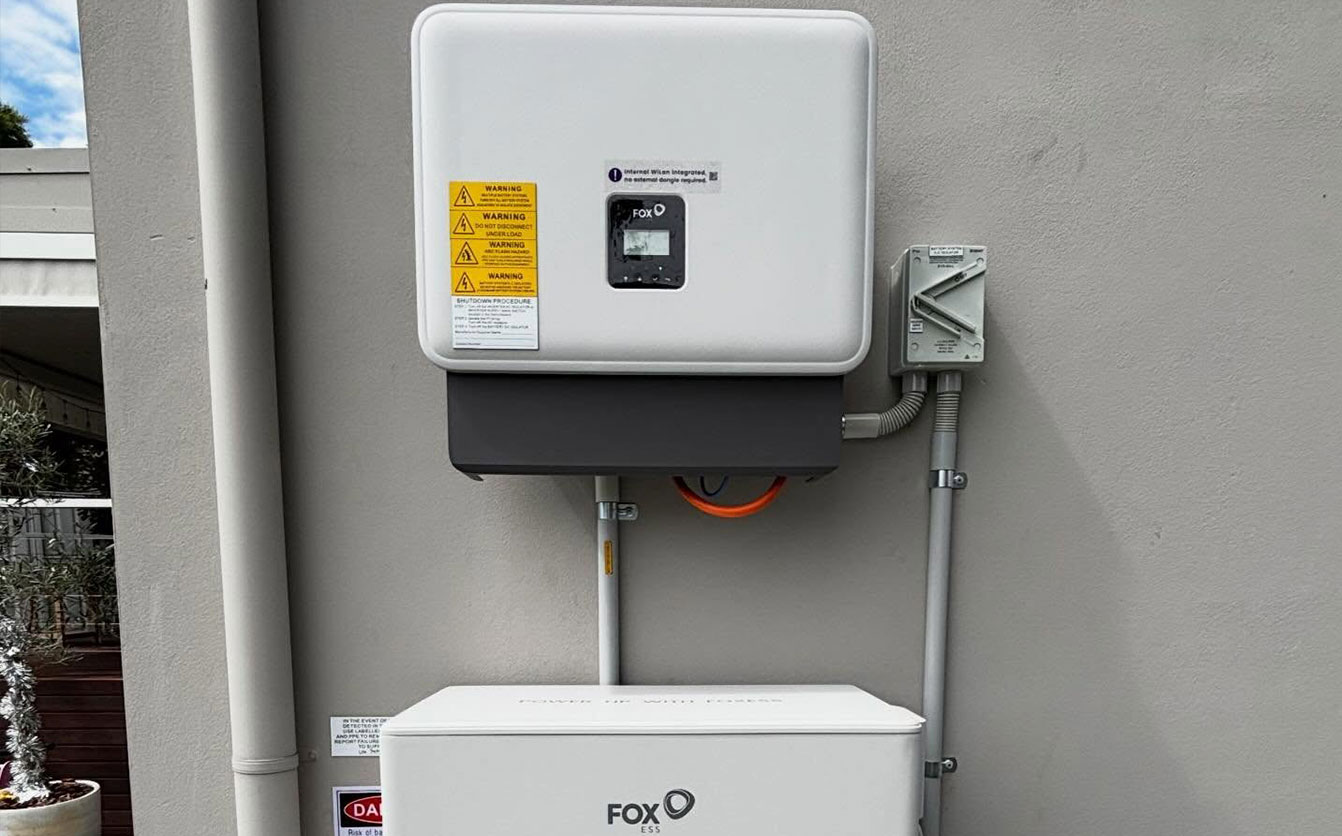
A FoxESS proposal should identify the compatible inverter and battery combination, its installed cost and its monitoring and service arrangements. Assess value using that complete scope.
Verify capacity, backup functions and expansion limits against the current Australian documents for the models quoted.
Ask about the installer’s diagnostic process, local service arrangements and responsibility for coordinating a manufacturer claim. These details belong in the comparison alongside the hardware.
Have the supplier resolve unclear compatibility, monitoring or service responsibilities in writing.
Compare the initial cost alongside the functions provided and the process for later service.
If FoxESS is shortlisted, bring your bills and existing-system details and request the proposed configuration in writing.
Request the exact inverter and battery model codes with current Australian datasheets. Confirm that the proposed combination is supported, including the intended phase arrangement and any existing solar equipment.
Usable capacity and continuous output answer different questions. Ask the designer to show how the selected system meets the household’s evening energy use and the simultaneous loads it may need to run.
If backup is included, have the installer identify the protected circuits, additional switching or gateway equipment and the operating limits. Confirm whether solar can recharge the system during an outage in the proposed arrangement.
For future expansion, ask which modules may be added and whether age, firmware, location or connection limits affect that option. Avoid treating “expandable” as an unlimited promise.
Use a recent low-solar day and a high-use evening from your monitoring data. Ask how the proposed system would behave, including when grid energy is still required. Compare that with a larger or smaller supported configuration. This makes the choice more concrete than a price-per-kilowatt-hour figure.
Record any assumptions about future loads separately. A car or appliance you may buy later should not be treated as a current load without showing how that changes the recommendation.
Contact Lightning Energy to discuss the options for your property and electricity use.
Available times
Book a consultation and we'll map solar, storage, hot water, and the rebates around your bills and your goals.
Question 1 of 6