
Why Retail Electricity Bills Can Rise as Wholesale Prices Fall
Wholesale energy is one cost component; contracts, network charges, fees and tariff design determine the retail bill.
Wholesale energy is one cost component; contracts, network charges, fees and tariff design determine the retail bill.
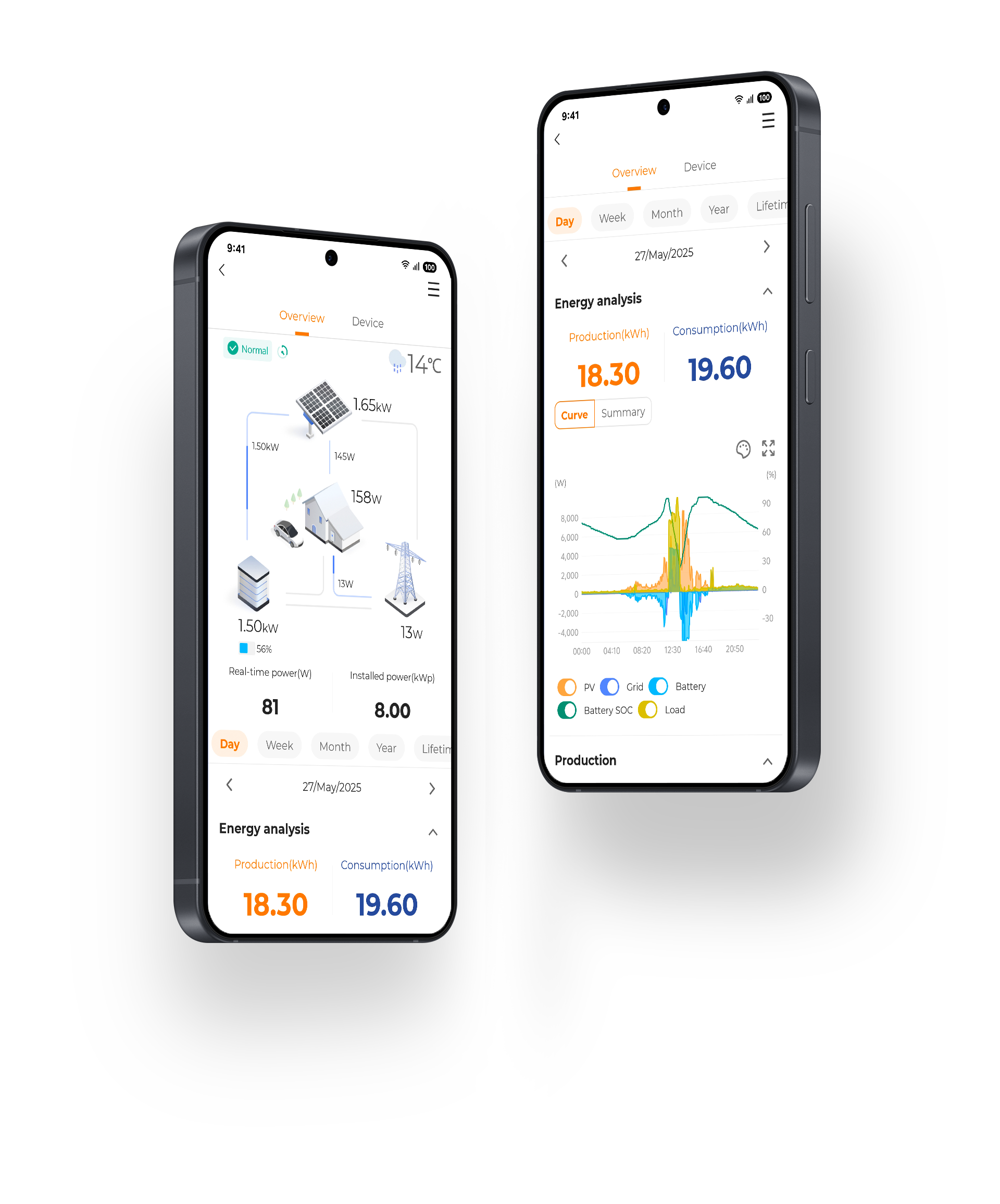
A household electricity bill can rise while a particular wholesale-price measure falls. That is possible because wholesale energy is only part of the retail price, and changes do not all occur on the same timetable.
Wholesale electricity prices in the National Electricity Market vary with available generation, weather and demand. A low-price afternoon and a high-price evening describe different market conditions.
Your retailer does not invoice you that number.
They buy or hedge energy, then assemble a retail product that typically includes:
A lower wholesale cost does not guarantee a lower total bill if other costs, usage or the retail contract have changed.
It is possible to use less electricity and still receive a higher bill. Check both the rates and the quantity of energy used, including fixed charges and the billing period.
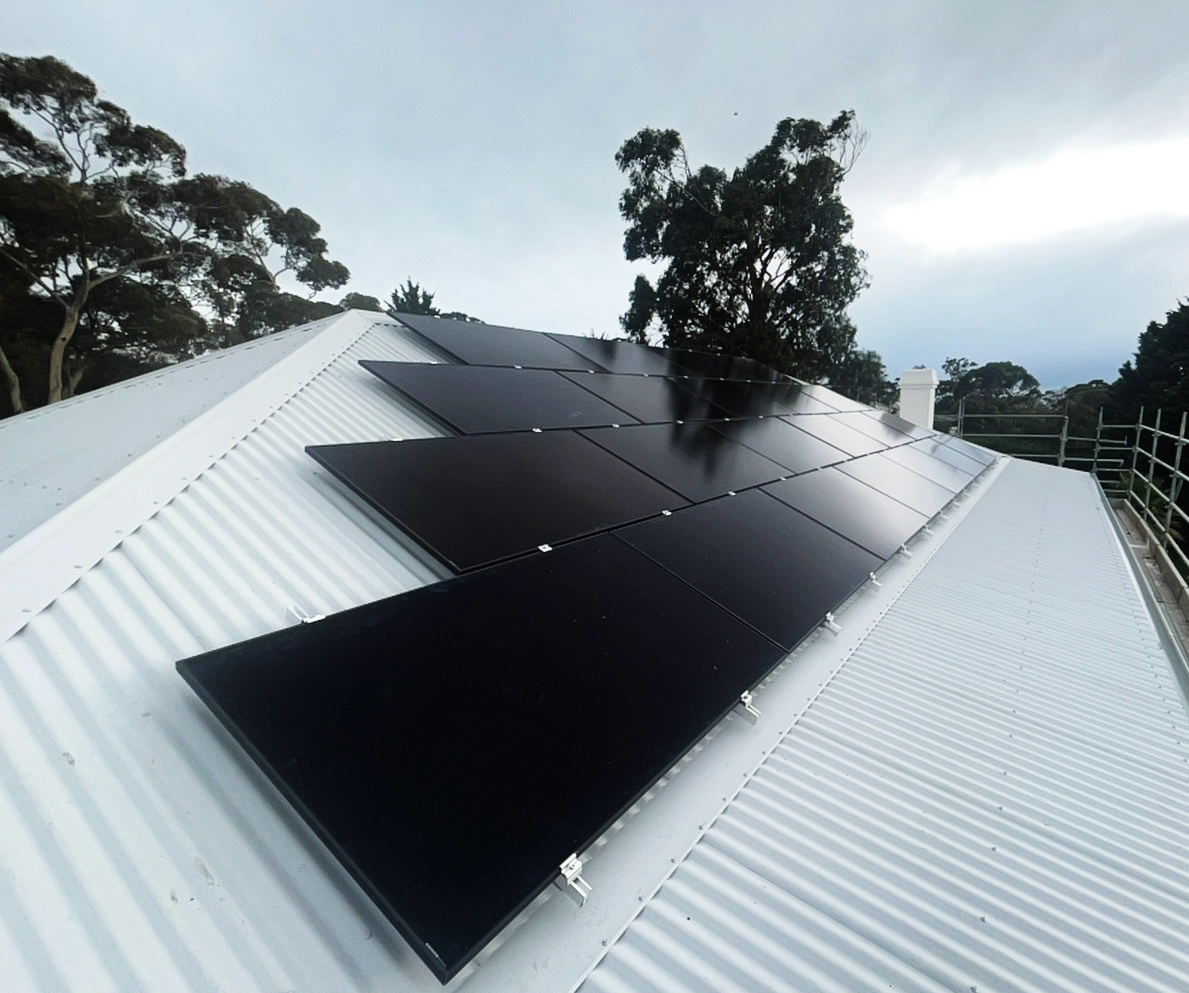
Rooftop solar has rewritten midday economics. Wholesale prices often soften because so many roofs are exporting. Networks then manage congestion, voltage and the familiar "duck curve" evenings when demand rises and solar fades.
Daytime solar production and evening electricity use occur at different times. Under a time-of-use plan, assess each period using the applicable retail rate.
Retailers also use contracts and hedging arrangements. Check when a retail offer changes rather than expecting each wholesale price movement to appear immediately on a bill.
A practical review starts with the household’s energy use and tariff:

Compare the bill’s daily supply charge, usage rates, tariff periods and any demand charges. Check the number of billing days, actual consumption, estimated readings, concessions and adjustments.
A higher total caused by more winter heating is different from a higher unit price. Use the same period or a weather-aware comparison where possible.
The Australian Energy Regulator’s Default Market Offer framework includes wholesale, network, environmental and retail costs. Retailers also procure energy over time, so a short-term spot-price change need not flow immediately into a fixed retail offer.
The relevant comparison is the total cost of the plan for your usage, not one advertised rate alone.
Solar can reduce some imports when generation is used at home. A battery can change the timing of some energy use. Neither automatically eliminates fixed charges, and both should be assessed against their installation costs and operating conditions.
Contact Lightning Energy to discuss the options for your property and electricity use.
Available times
Book a consultation and we'll map solar, storage, hot water, and the rebates around your bills and your goals.
Question 1 of 6