Waratah Is Fully Operational: Why a Super Battery Is More Than Home Backup
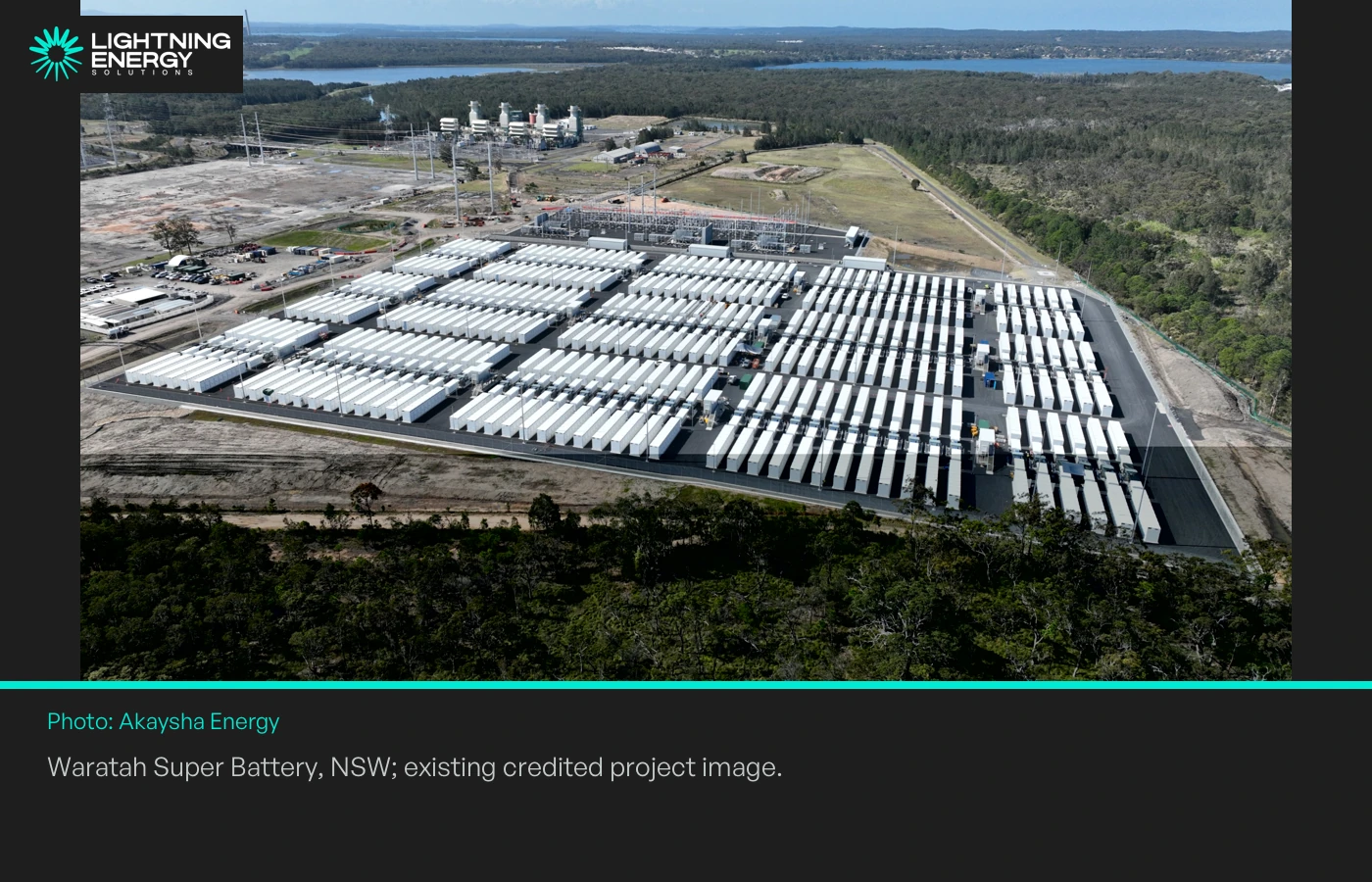
The Waratah Super Battery is now fully operational, according to the NSW Government's 28 September announcement. Its job is particularly interesting because it connects storage with a wider system for protecting the electricity network.
LLuke CoveLightning Energy14 September 2026 · 4 min read Updated 9 October 2026
The Waratah Super Battery is now fully operational, according to the NSW Government's 28 September announcement. Its job is particularly interesting because it connects storage with a wider system for protecting the electricity network.
I would not describe it as a giant version of a household backup battery. The underlying storage idea is familiar, but the network role is different.
The NSW Government announcement confirms full operation at the former Munmorah power-station site. It gives ratings of 850 MW and 1,680 MWh.
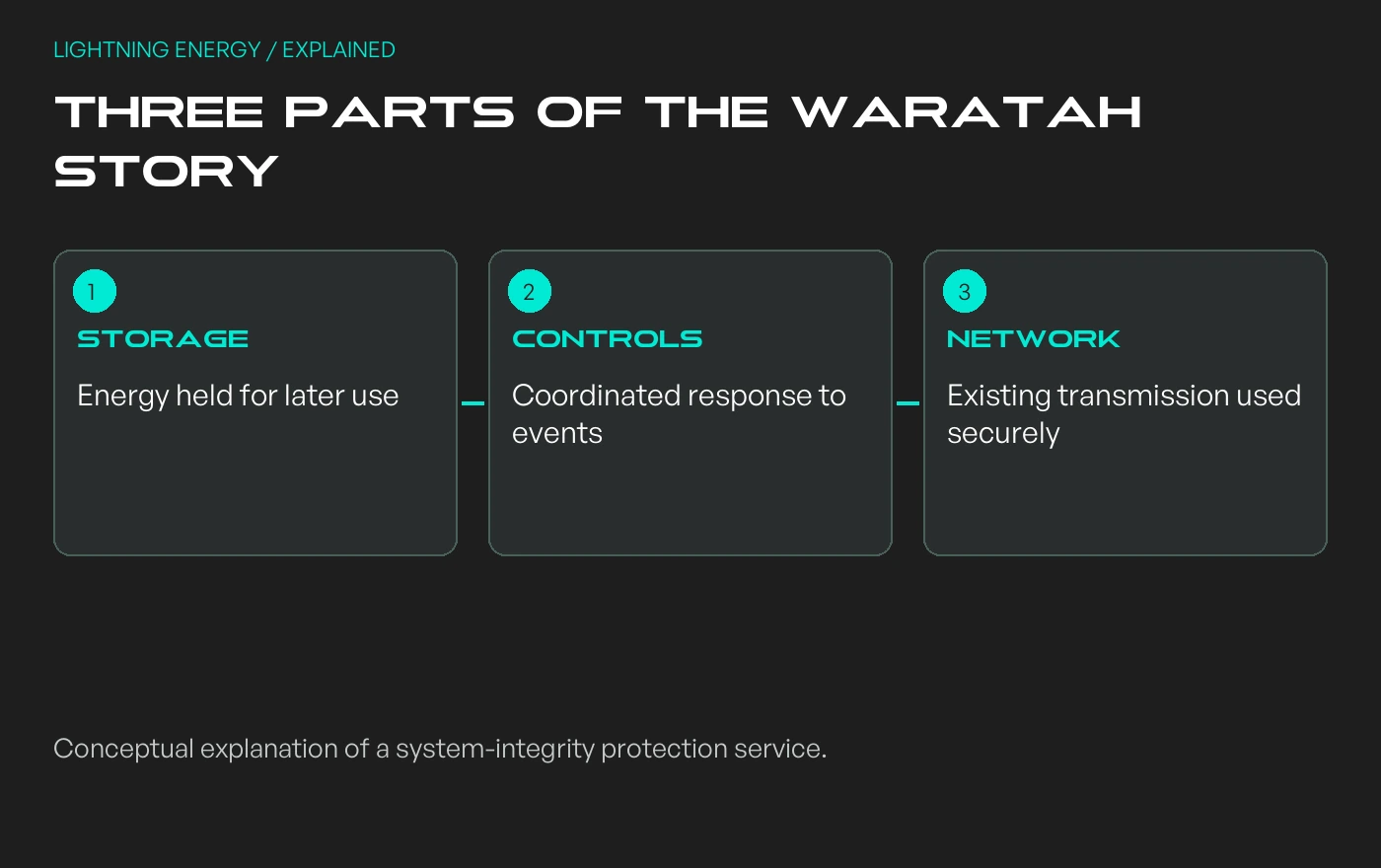
The project combines battery storage, controls and transmission infrastructure. Its protection role helps the network respond to disturbances while supporting the movement of electricity through the system.
A capacity rating is not proof of a record charging event. Claims about a particular operational record need dated measurements and a defined comparison, not simply the project's impressive nameplate figures.
The analogy is useful because it describes a response to a disturbance. A protection system can detect certain network events and coordinate action, rather than relying only on conservative limits during normal operation.
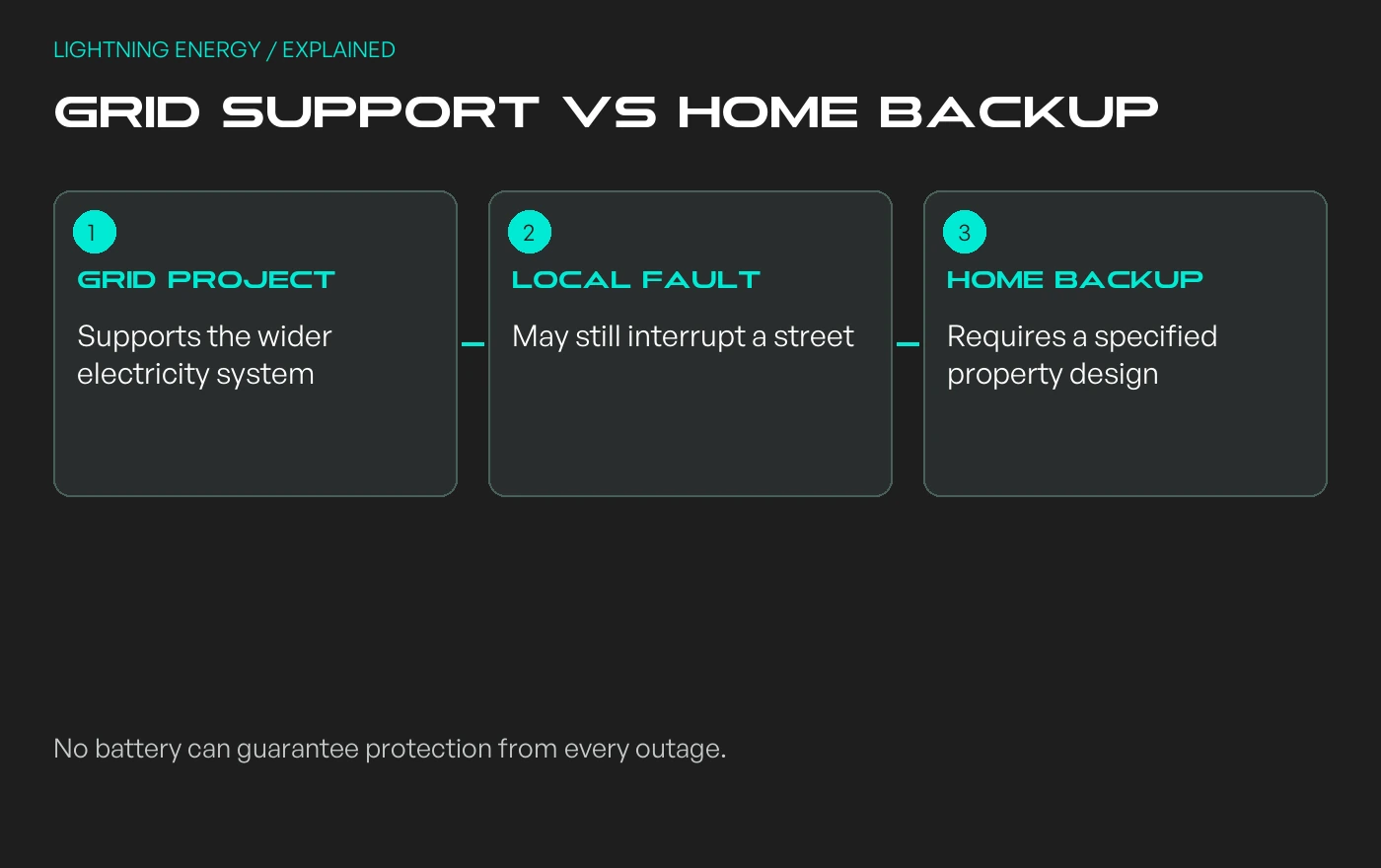
EnergyCo's project information explains the system-integrity protection role. It is a network service, not a promise that every household remains supplied through every fault.
A damaged line in a local street can still cut power even when there is enough generation and storage elsewhere. The physical path to the home matters as well as the energy available.
Original Lightning Energy graphic. Conceptual explanation of a system-integrity protection service.
Power is not the same as stored energy
The 850 MW rating describes power; 1,680 MWh describes an energy quantity. Comparing one battery's MW with another battery's MWh produces no useful ranking.
The simple energy-to-power ratio is just under two hours, but the project's operating duties, reserves and actual dispatch determine how it is used. It should not be read as a household runtime guarantee.
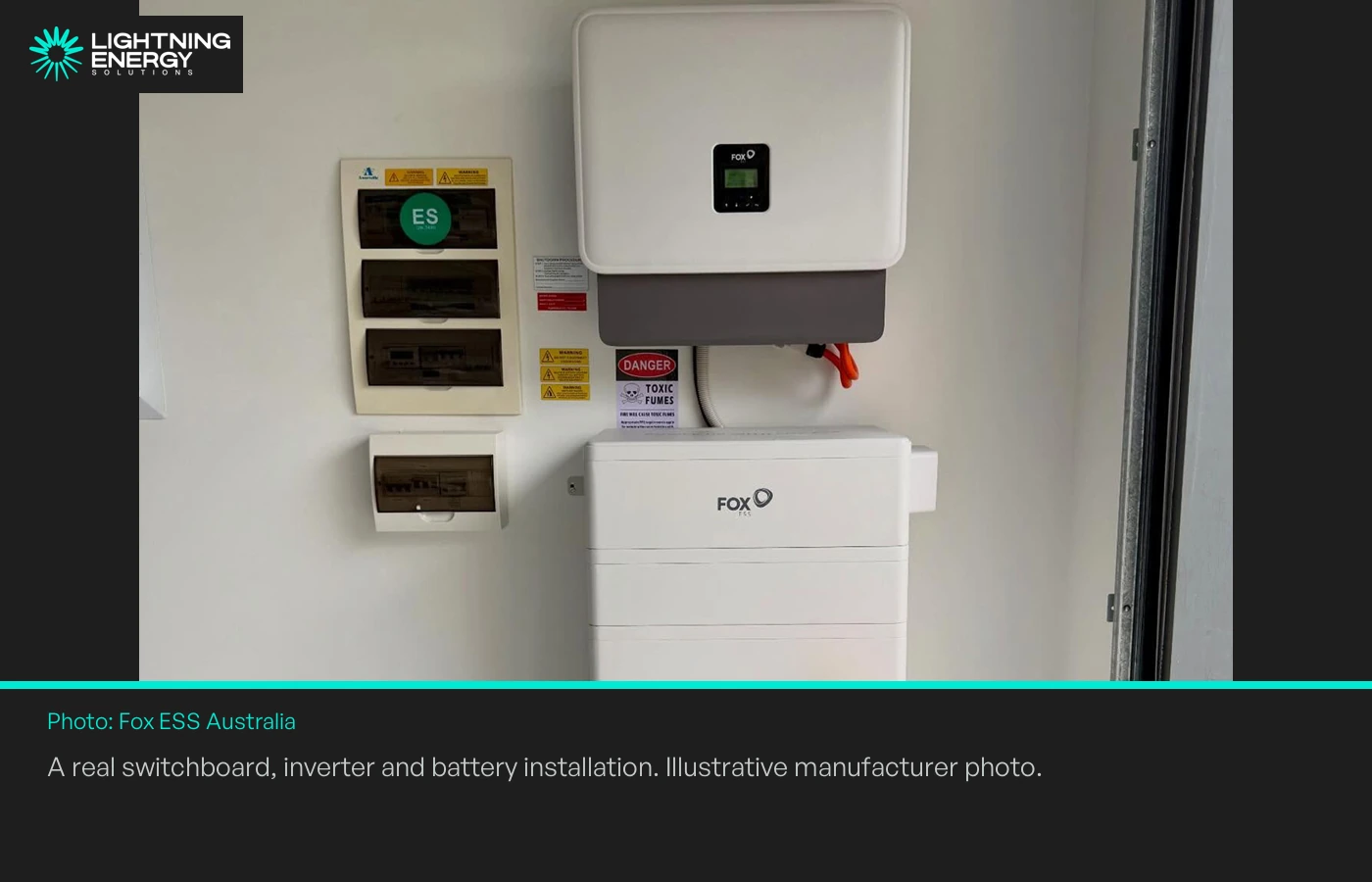
The same distinction helps when comparing home batteries. A system with enough energy for an evening may still have an output limit that prevents it running several large appliances together.
Photo: Fox ESS Australia. A real switchboard, inverter and battery installation. Illustrative manufacturer photo. Illustrative household context, not the news project.
What I would take from the news
Large batteries can support the wider transition, while rooftop solar, efficient appliances and household storage address particular property needs. They are complementary layers, not interchangeable purchases.
If your concern is running heating or cooling during an outage, specify that requirement in the design. Ask which loads are supported and how long the available energy can reasonably last.
My recommendation is to welcome the infrastructure milestone while keeping your own decision grounded. Waratah's commissioning does not establish a guaranteed bill reduction or mean every home needs a battery.
Research checked 9 October 2026. Project plans and policy timelines may change. The linked sources distinguish announcements, proposals and operating results.
Book a consultation and we'll map solar, storage, hot water, and the rebates around your bills and your goals.
Loading consultations…
Lightning EnergyPlan your next energy upgrade.
⚡
Hi, I’m Lightning Energy’s project guide. I’ll ask a few practical questions, explain what usually matters for your project, and help you decide on a useful next step — no guesswork or sales pressure.
First, what kind of property are we planning for?