
Usable energy
Battery capacity in kWh describes how much energy can be stored. Ask for usable capacity and the reserve you intend to keep for outages.
Solar + battery quotes · Victoria
Generation, storage and backup work best when they are planned together. Compare complete system options with a clear explanation of what each one can do.
Direct with Lightning Energy · Property-specific advice
Designed around your needs
Panels generate electricity during daylight. A battery can shift some of that energy to another time, but its value depends on your usage, tariff and available solar. We assess the combination rather than choosing storage capacity from your bill total alone. Existing solar equipment, future EV charging and backup priorities belong in that assessment too.
Battery capacity in kWh describes how much energy can be stored. Ask for usable capacity and the reserve you intend to keep for outages.
Inverter output in kW affects which loads the system can supply together. A large battery does not automatically run every appliance during a blackout.
Confirm the gateway or switching equipment, supported circuits and phase coverage. A battery installation does not include whole-home backup by default.
Compare with confidence
Keep these details together when comparing equipment options or quotes. Ask for clarification wherever a cost or responsibility is unclear.
Talk through your optionsPrice and scope
A battery price may exclude a controller, gateway, additional cabling or switchboard changes. Different systems also package the solar inverter differently. Ask for one installed total and a separate list of optional work. For an existing solar system, confirm whether the proposed battery can integrate with the current inverter or needs a different approach.
Check federal battery eligibility requirements ↗Make a considered choice
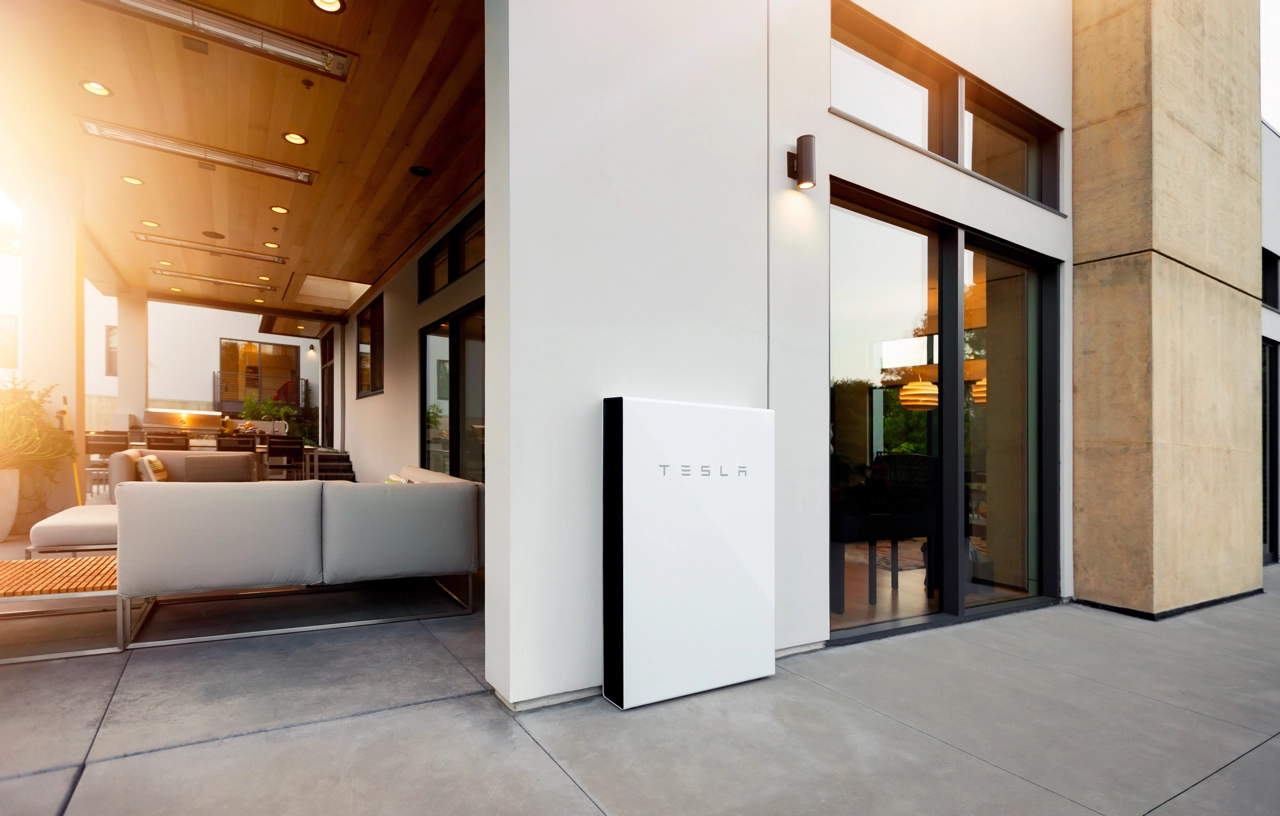
For a new system, panel layout, inverter capacity and storage can be planned as one design. For a retrofit, existing inverter details, connection approval and monitoring become important starting points. We can discuss Tesla Powerwall, Sigenergy and GoodWe options from our product range, with the exact Australian model and availability confirmed in your proposal. There is no single best battery for every property.
Start with electricity use after sunset and the amount of daytime solar available to charge a battery. A bill total alone cannot show either. Interval meter data, existing solar monitoring and your household routine help build a more useful picture of when storage could replace grid purchases.
Consider two separate objectives: reducing routine grid imports and keeping selected appliances running in an outage. Holding energy in reserve for backup leaves less available for everyday use. Your quote should explain the proposed reserve and how changing it affects the expected result.
Ask to compare a smaller and larger storage option using the same usage data. Include usable capacity, charge and discharge limits, expected losses and the assumptions about future consumption. Extra capacity only helps if there is a practical reason to charge and use it; a larger number on the specification sheet is not a savings forecast.
A retrofit assessment starts with the existing inverter model, panel capacity, system age and network connection arrangement. Provide installation documents or a photograph of the accessible equipment label if you have one. There is no need to open electrical equipment to gather these details.
Ask whether the proposed design keeps the current solar inverter, replaces it or adds a separate battery inverter. Each approach can change the equipment scope, monitoring and backup behaviour. The proposal should make clear which existing components stay in service and which warranties apply to the new work.
Future expansion also needs a specific answer. Confirm compatible modules, permitted capacity, any timing restrictions and whether adding storage later would require further installation or approval work. A description such as expandable is not enough to establish the eventual cost or available configurations.
Use the same comparison headings for every battery brand: usable energy, continuous power, backup arrangement, installation location, monitoring, expansion and warranty conditions. This keeps the discussion focused on the Australian configuration you are actually being offered.
Check what is included alongside the battery. A gateway, controller, additional inverter, consumption meter or switchboard modification can make two apparently similar package prices very different. Ask for optional features to be priced separately so you can decide whether you need them.
Warranty length should be read with the operating conditions, retained-capacity terms and any throughput limits. Also ask about service support and whether the proposed location meets the manufacturer’s requirements. The best fit depends on your property and priorities, rather than a universal ranking of brands.
For blackout protection, list the appliances you want to run and discuss their combined demand. Refrigeration, lighting and internet can present a different design problem from air conditioning or cooking. Confirm the backed-up circuits, phase coverage, switching arrangement and whether solar can recharge the battery during an outage.
Tariff modelling should use your actual electricity plan, including import periods, export rates and daily charges. Compare a battery scenario with the same household without storage. If a proposal assumes grid charging or a different plan, ask to see those assumptions clearly rather than treating them as guaranteed savings.
A virtual power plant offer may add payments or discounts in exchange for access to the battery. Review dispatch rights, reserve settings, fees and exit conditions. Compare the whole offer, including the electricity tariff, rather than choosing solely on a joining incentive.
Federal battery support also has product and installation conditions. Confirm eligibility, the installation date assumptions and the certificate discount in writing. For grid-connected systems, required VPP capability does not itself mean you must enrol in a VPP to receive the federal support.
From enquiry to proposal
Choose a consultation time below, or call our team. Explain your property, priorities and timing.
Bring a recent bill, your existing inverter model if you have solar, and a short list of appliances you would like backed up. Tell us about an EV or other planned electrical upgrades.
Review the recommended equipment, installed scope, incentives and any outstanding site checks before deciding.
Available times
Choose a consultation time with Lightning Energy. This starts a conversation about your project; it does not commit you to an installation.
Often yes, but compatibility must be checked. Share the inverter model, solar system size and any existing connection documents so the design can account for them.
Only if the system is designed and installed for backup. Confirm the required hardware, backed-up circuits, power limits and phase coverage in writing.
Yes. Ask us to compare suitable options using usable capacity, power, backup scope, expansion and installed inclusions, rather than the brand name alone.
No. System, product, installer and installation eligibility requirements apply. The discount varies with eligible usable capacity and the rules applying when installation takes place. Confirm it as a separate line in the quote.
VPP capability and VPP enrolment are different things. Some offers require participation; ask for the conditions, electricity plan, dispatch controls and exit terms before accepting one.
Question 1 of 6