
Ampol’s $225 Million Evie Deal: What It Could Mean for EV Charging
Ampol has agreed to acquire Evie, bringing two familiar names in Australian public charging into a proposed transaction.
Ampol has agreed to acquire Evie, bringing two familiar names in Australian public charging into a proposed transaction.

Ampol has agreed to acquire Evie, bringing two familiar names in Australian public charging into a proposed transaction.
For drivers, the interesting questions are practical: where can I charge, how reliable is the stop and what will it cost?
The announcement does not answer every one of those questions yet. I would separate the proposed ownership change from changes a driver can actually use today.
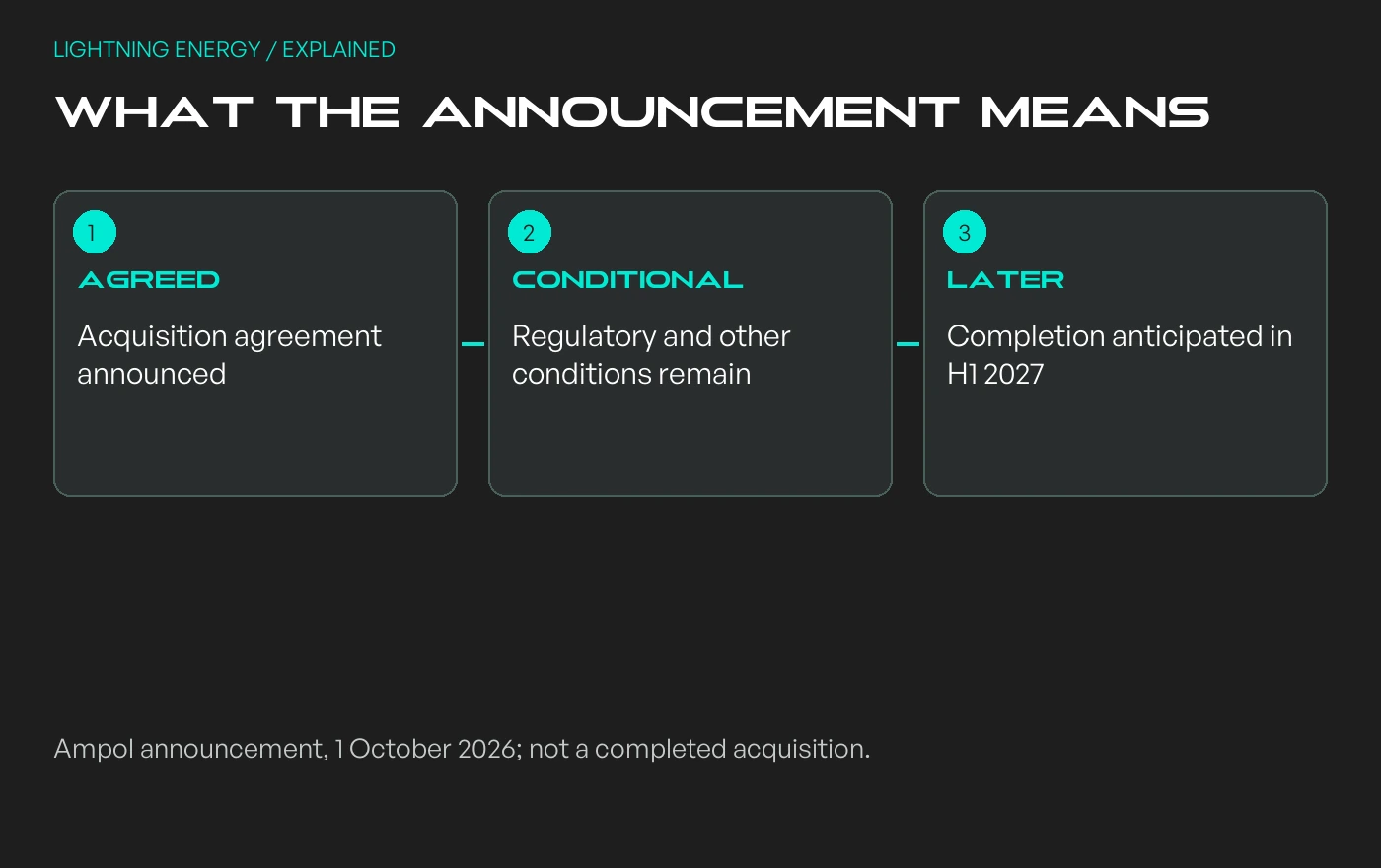
Ampol's 1 October announcement describes a $225 million agreement to acquire Fast Cities Australia, which operates Evie Networks.
The transaction is subject to conditions including ACCC clearance, with completion anticipated in the first half of 2027. Ampol says the businesses will operate independently until completion.
The company describes a combined footprint of approximately 1,425 charging bays at more than 400 sites.
That proposed combined footprint should not be confused with newly installed bays or an immediate change to every driver's app and account.
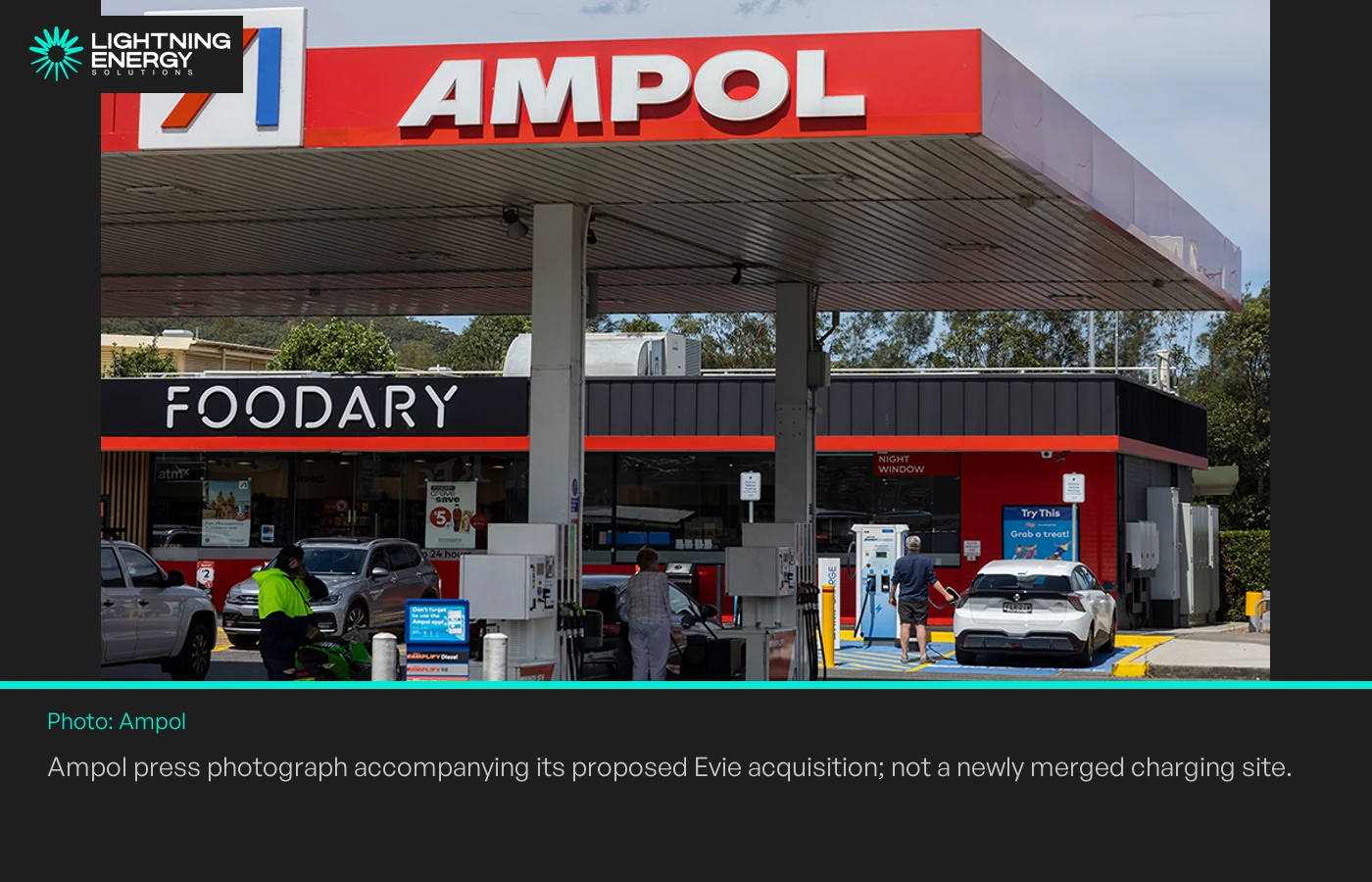
A route can look well served on a map and still require planning. The useful questions include the number of usable bays, connector compatibility, availability, access hours and nearby alternatives.
A charger's maximum rating is not a promise that your car will receive that power throughout a session. Vehicle capability, battery conditions and site operation affect the result.
I would judge a future combined network by the experience it delivers, not just its total advertised power or bay count. This announcement alone does not establish future charging prices or a single payment system.
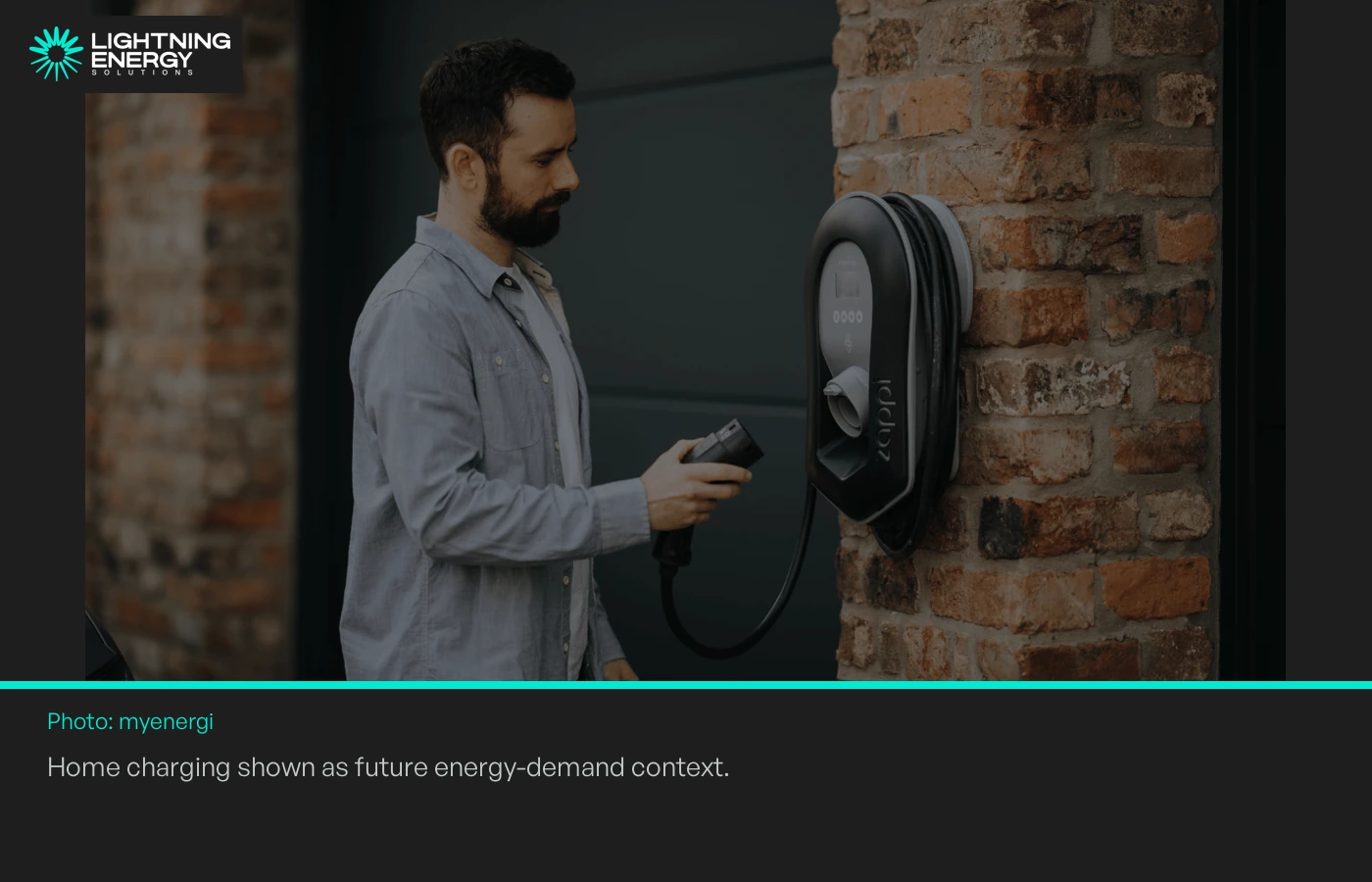
Public charging matters for road trips, households without private parking and days when the normal routine changes. A private EV charger can make regular charging more convenient where the property permits it.
For a household with solar, charging while the car is at home during generation hours may be useful. That requires an actual overlap in time; owning both an EV and solar does not create it automatically.
If the vehicle is away all day, compare evening charging and available tariffs honestly. Public network growth and a home installation should each earn their place in the plan.
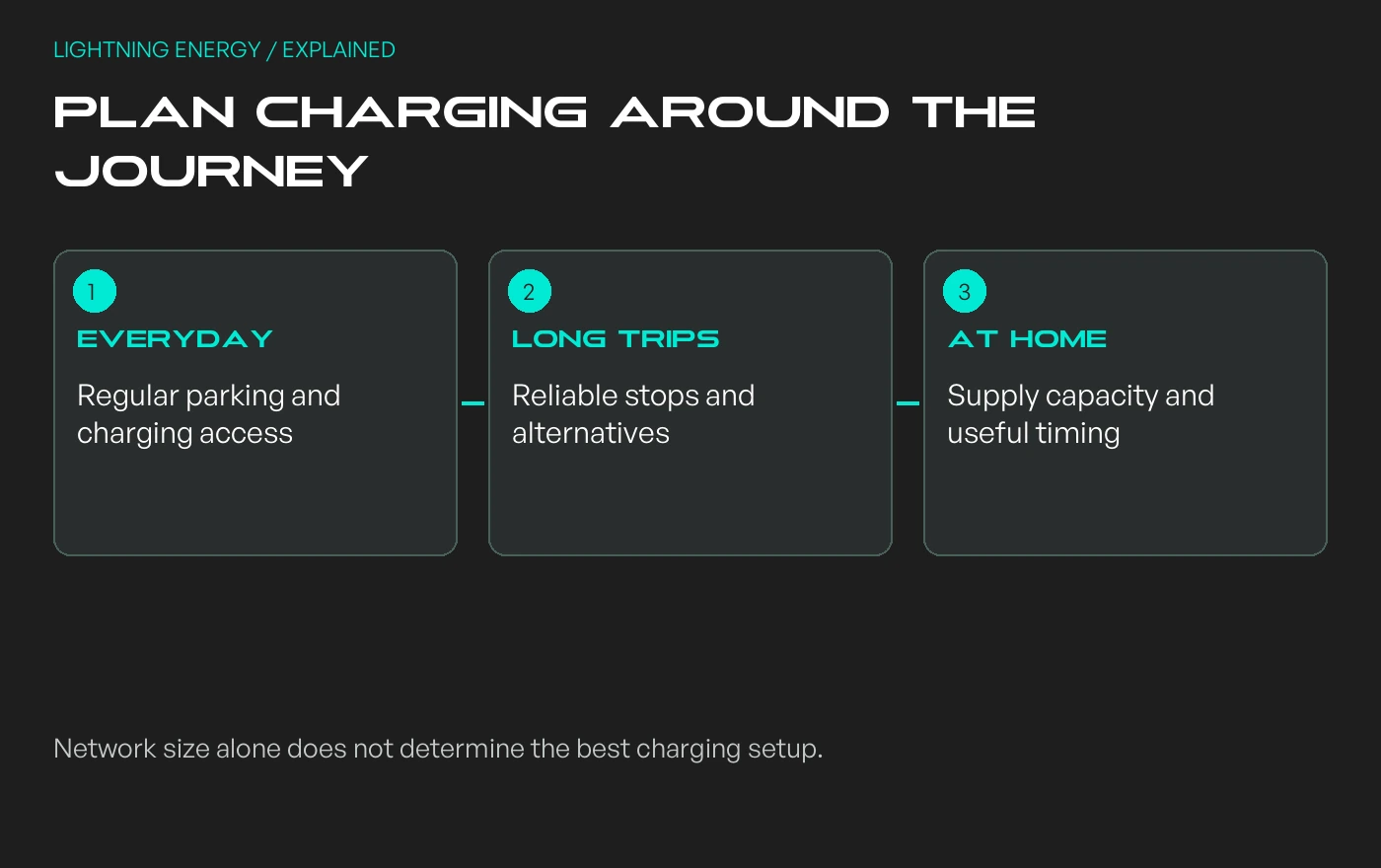
Write down an ordinary week of driving and parking. Include the long trips, but do not size a home charging solution solely around the most unusual journey of the year.
If battery storage is also being considered, distinguish the stationary battery's job from the vehicle's energy needs. Avoid assuming one purchase automatically makes the other worthwhile.
My recommendation is to keep using current network terms until changes are confirmed. At home, design for the car, the supply and the routine you actually have.
A corporate deal is useful context, not a reason to rush an electrical purchase.
Research checked 6 October 2026. Project plans and policy timelines may change. The linked sources distinguish announcements, proposals and operating results.
Available times
Book a consultation and we'll map solar, storage, hot water, and the rebates around your bills and your goals.
Question 1 of 6