Can a Suburb Go Electric Together? Inside Canberra’s 1,000-Home Pilot
Replacing a gas appliance is one household decision. Helping a neighbourhood make that transition is a different challenge, involving trust, trades, finance and the electricity network. Canberra's new pilot brings those questions together.
LLuke CoveLightning Energy8 October 2026 · 4 min read
Replacing a gas appliance is one household decision. Helping a neighbourhood make that transition is a different challenge, involving trust, trades, finance and the electricity network. Canberra's new pilot brings those questions together.
The programme's October start follows its September announcement. I would watch what it learns about practical delivery, rather than treating the target number of homes as completed installations.
What the pilot is trying to achieve
The ARENA project record describes Go Electric Canberra, a residential electrification project aimed at coordinated household upgrades.
The programme announcement describes a pilot for up to 1,000 homes, with an operating period from 1 October 2026 to 30 September 2028.
It is a defined local trial, not a nationwide entitlement to free equipment. The ambition and the delivered results should remain separate until the programme reports what participants actually receive and achieve.
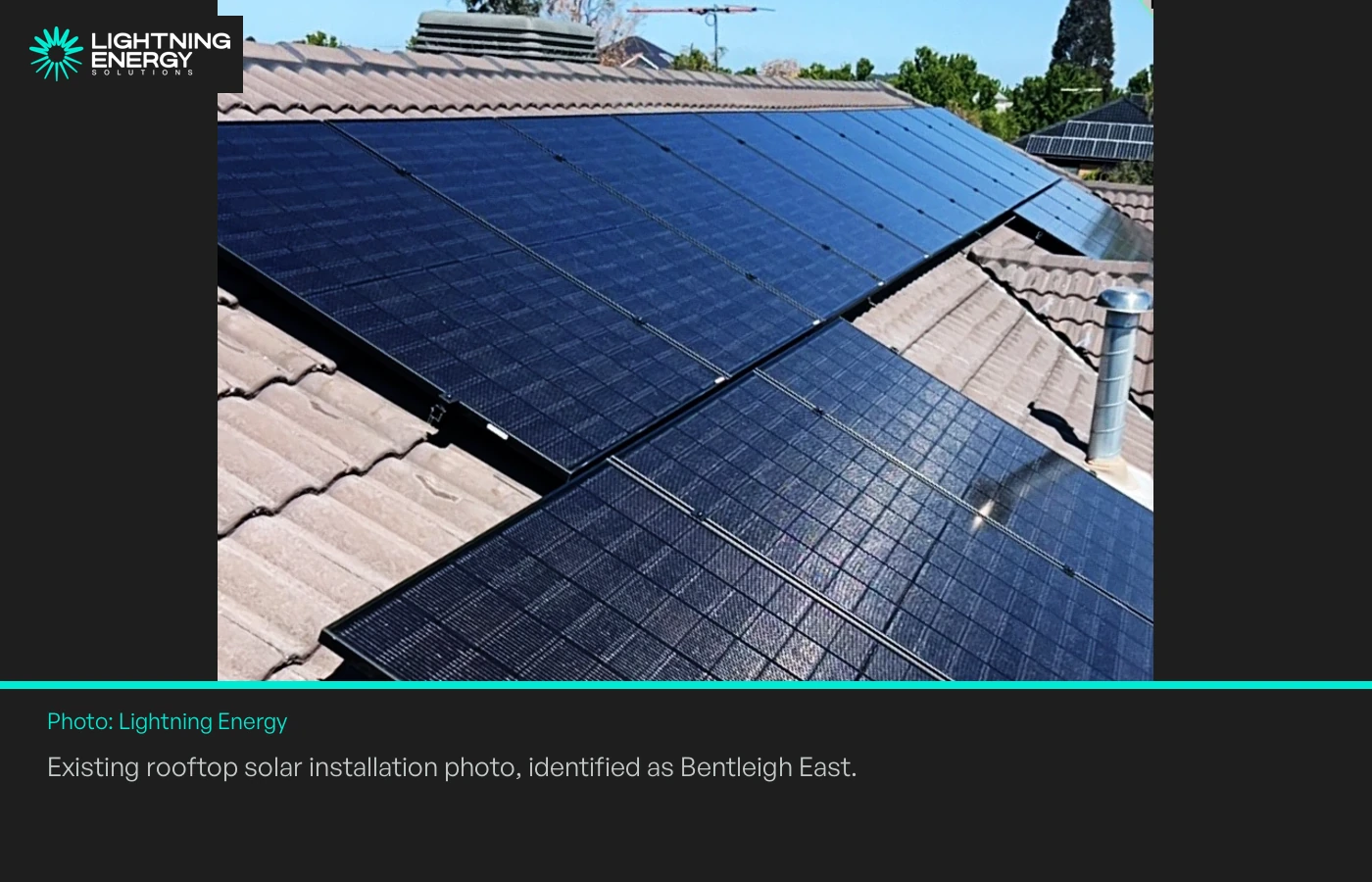
Photo: Lightning Energy. Existing rooftop solar installation photo, identified as Bentleigh East.
Why doing it together might help
Households often face the same questions separately: what to replace first, which trade to call and how to compare proposals. Coordinated support may reduce some of that effort and make the choices easier to understand.
It does not make every house identical. Roof space, building fabric, ownership, switchboards and the condition of existing appliances still influence the work.
A community approach is most interesting when it makes those differences manageable rather than hiding them in a standard package. I would look for evidence about participation, installation quality and support after the work is finished.
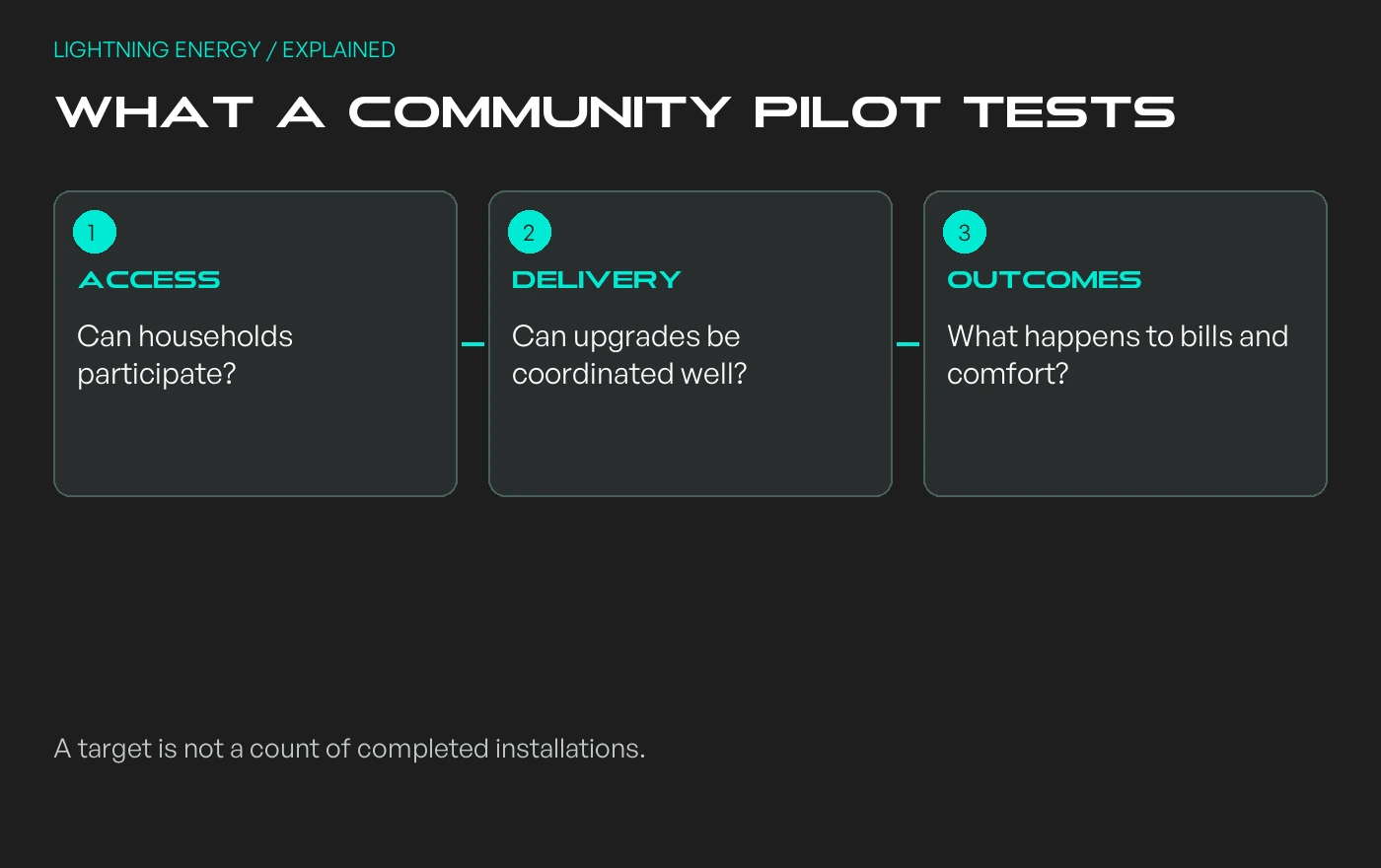
Original Lightning Energy graphic. A target is not a count of completed installations.
The network and the household both need a plan
Adding electric heating, hot water and vehicle charging changes when and how much electricity a property needs. At neighbourhood scale, many similar changes can also affect local network demand.
Timing and control can help, but they must preserve the useful service. A heat pump still needs to deliver enough hot water; an EV still needs to be ready for the next journey.
I would want the trial to report both household outcomes and what coordination required. A successful demonstration includes the operating arrangements, not just photographs of new equipment.
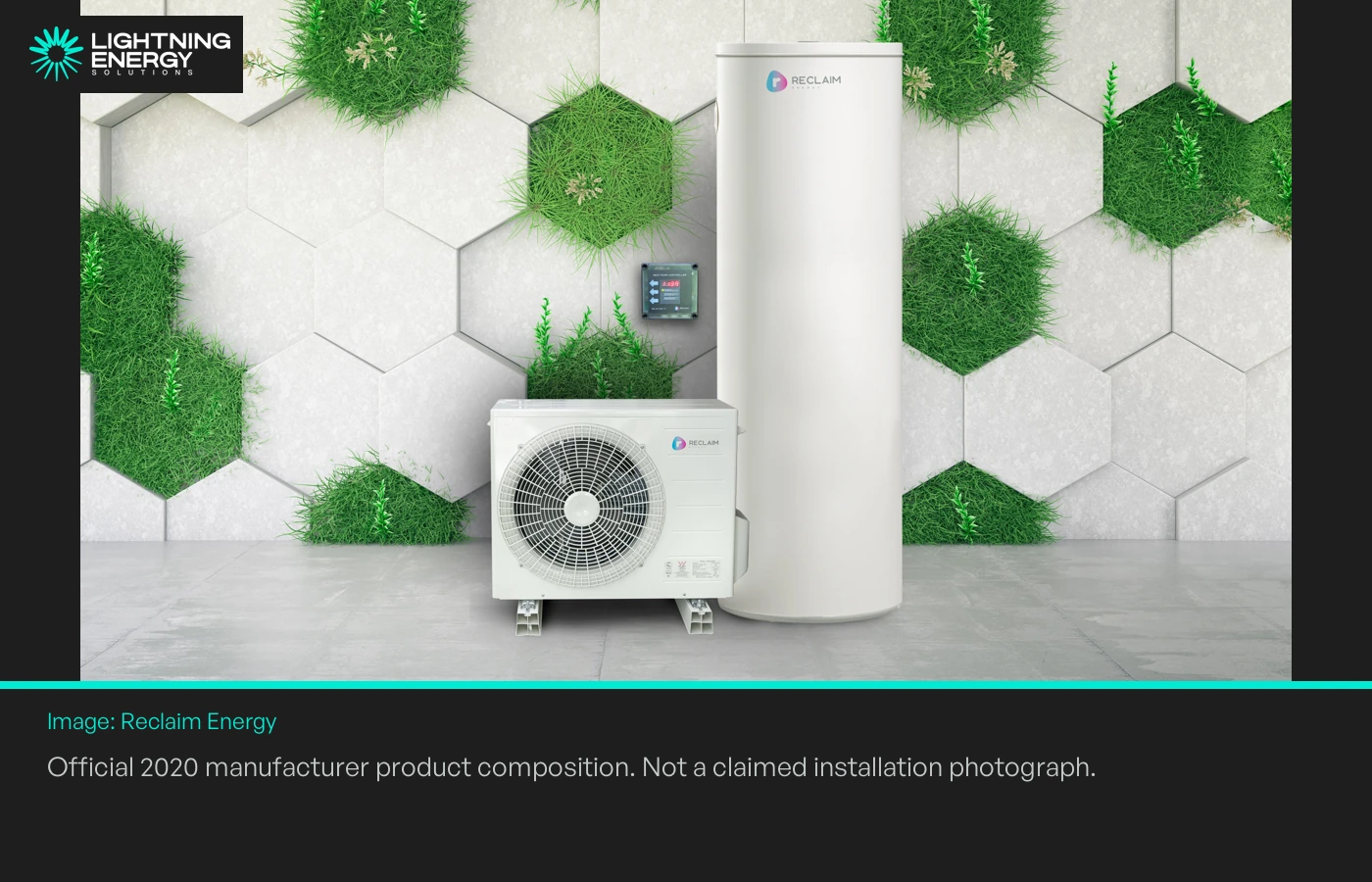
Image: Reclaim Energy. Official 2020 manufacturer product composition. Not a claimed installation photograph. Illustrative household context, not the news project.
What other Australians can take from it
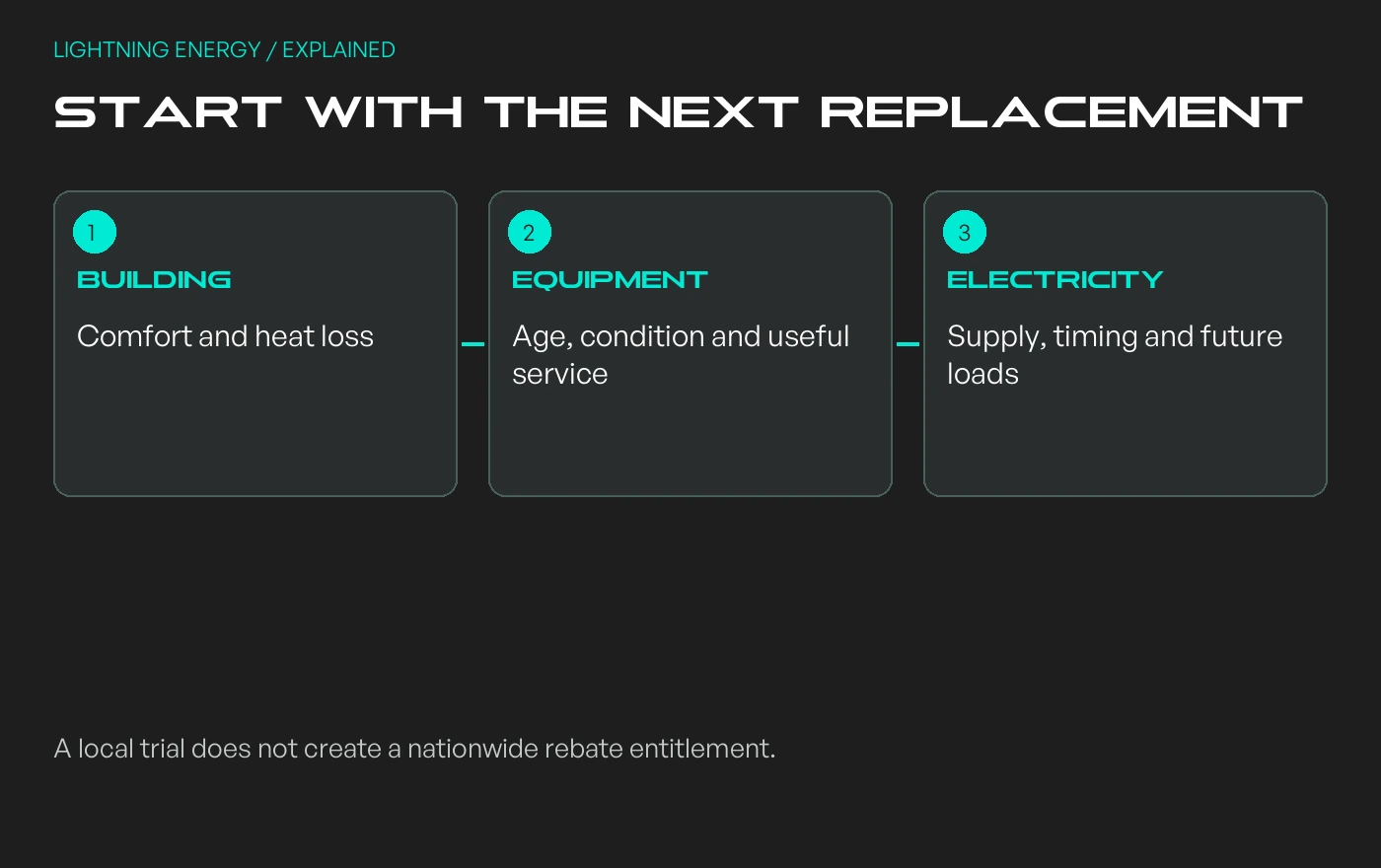
You do not have to wait for a suburb-wide programme to plan your next replacement. Start with equipment nearing the end of its useful life, and understand the building and electrical work before an emergency forces a quick choice.
Solar can form part of that plan where the roof and consumption suit it. Renters and apartment residents may need different pathways, with permissions and ownership addressed early.
My recommendation is to borrow the pilot's planning mindset without assuming its local funding is available everywhere. A staged, property-specific upgrade can be more useful than trying to electrify everything at once.
Research checked 6 October 2026. Project plans and policy timelines may change. The linked sources distinguish announcements, proposals and operating results.
Book a consultation and we'll map solar, storage, hot water, and the rebates around your bills and your goals.
Loading consultations…
Lightning EnergyPlan your next energy upgrade.
⚡
Hi, I’m Lightning Energy’s project guide. I’ll ask a few practical questions, explain what usually matters for your project, and help you decide on a useful next step — no guesswork or sales pressure.
First, what kind of property are we planning for?