
Anker SOLIX X1 vs Tesla Powerwall 3: What to Compare
Compare the exact Australian configurations, backup hardware, expansion options and support terms on each quote.
Compare the exact Australian configurations, backup hardware, expansion options and support terms on each quote.

Anker SOLIX X1 and Tesla Powerwall 3 should be compared as complete Australian installations, not simply as familiar brand names. Capacity, output, backup hardware and existing-solar integration can differ between the quoted configurations.
For either battery, the quote should identify the circuits it will support, the approved export settings and who will provide service after installation.
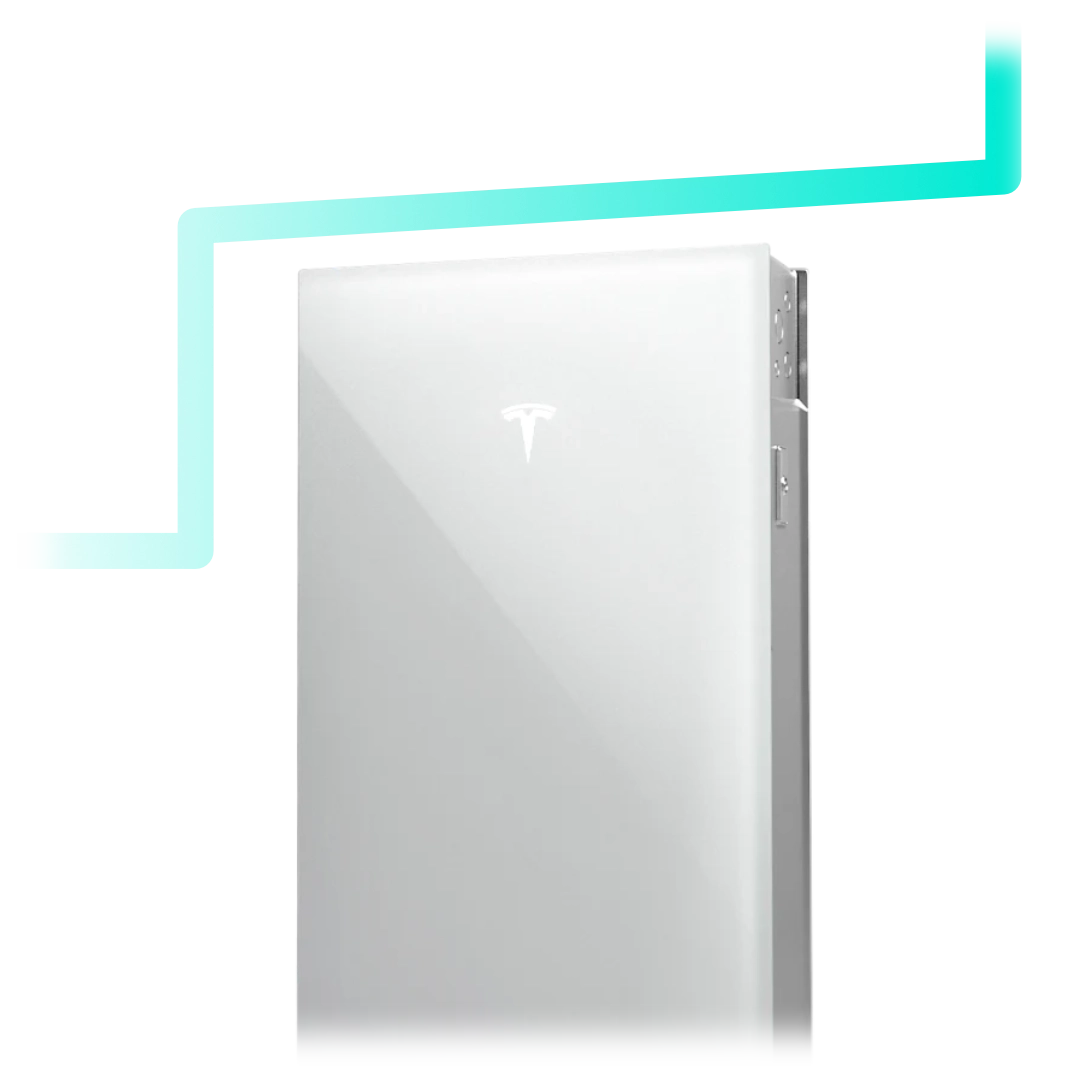
Online comparisons can omit the installation details that determine performance. Ask both suppliers to use the same usage data, backup priorities and existing-solar information, then compare the complete proposals.
Check capacities, backup functions and expansion options against current Australian manufacturer documentation for the exact equipment quoted.
Anker SOLIX and Powerwall 3 offer different equipment configurations and owner interfaces. Compare usable capacity, configured output, supported backup operation, monitoring and service arrangements using the same household requirements.
Ask the designer to explain why the proposed configuration fits the home.
A useful comparison covers normal operation, low-solar periods and outages. Include the protected circuits, operating limits, installation work and documents supplied at handover.

If both systems are shortlisted, bring your bills and existing-solar details to an assessment of the two complete proposals.
Tesla’s Australian Powerwall 3 datasheet specifies 13.5 kWh of usable energy. Anker’s Australian X1 page presents several storage configurations with Power Dock Pro. Ask for the exact model numbers rather than assuming a product-family name fully describes either quote.
A comparison should use the same backup brief and household load data. If one quote includes additional backup equipment or switchboard work and the other does not, the headline prices are not directly comparable.
For an existing solar home, ask each supplier to mark which components stay and which change. A comparison between one system retaining an inverter and another replacing it needs to include that difference in cost and warranty responsibility. For a new installation, request the complete solar-and-storage design from both suppliers using the same roof layout and household loads.
Contact Lightning Energy to discuss the options for your property and electricity use.
Available times
Book a consultation and we'll map solar, storage, hot water, and the rebates around your bills and your goals.
Question 1 of 6