
Electrifying Your Home: Supply Capacity and Load Management
EV charging, heating and hot water can increase simultaneous demand. An assessment can identify load control or upgrade options.
EV charging, heating and hot water can increase simultaneous demand. An assessment can identify load control or upgrade options.
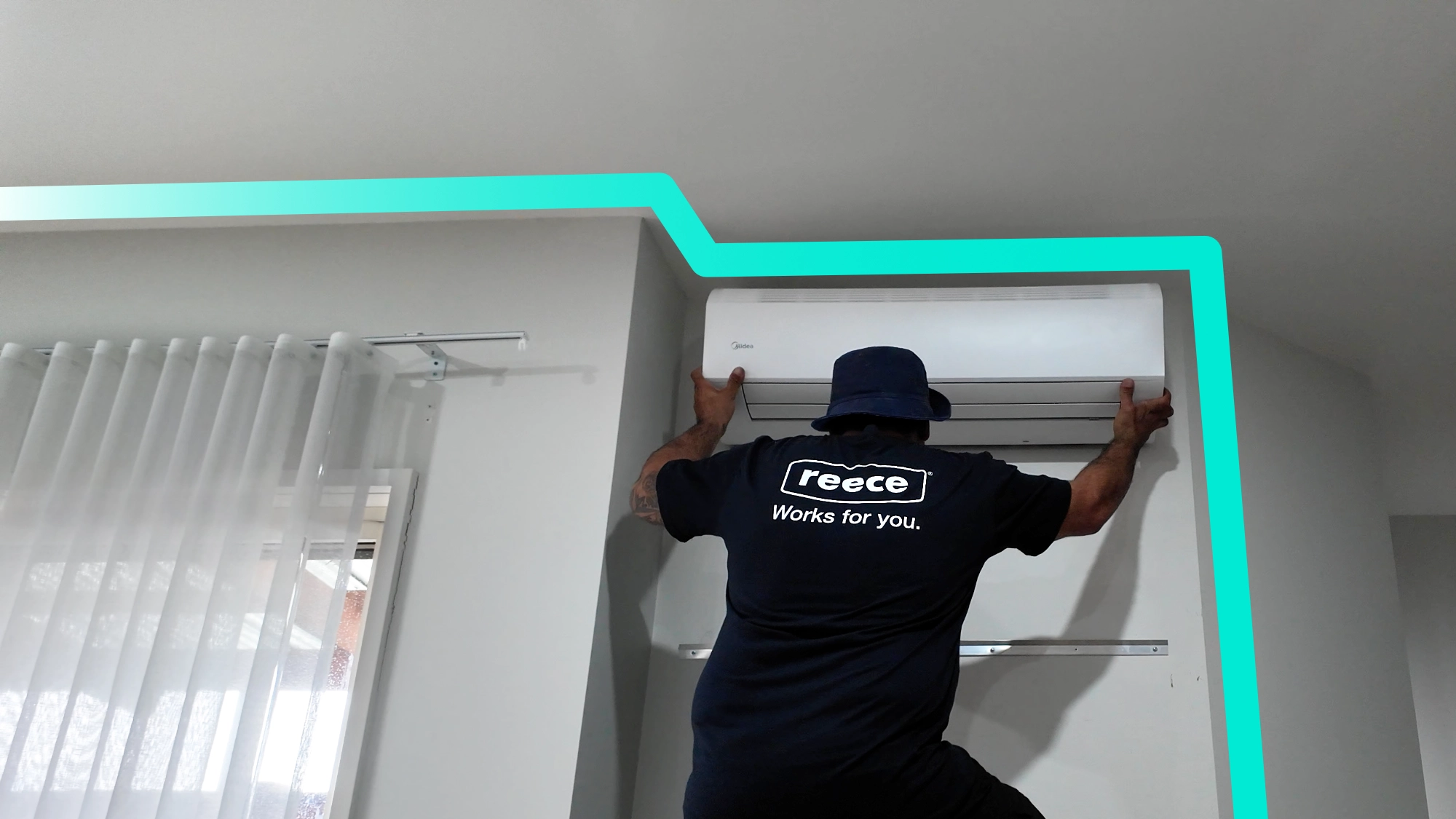
Adding EV charging, electric heating, hot water and cooking can increase the load operating at the same time. Before specifying several upgrades, have a licensed electrician assess the property’s supply and maximum demand.
Daily kilowatt-hours describe energy used over time. Supply and circuit limits concern electrical loading at a given moment. A home with modest daily energy use can still have a high simultaneous peak.
For illustration, two single-phase chargers each drawing 32 A would together draw 64 A before other loads. That is arithmetic, not an assessment that either charger is suitable for a particular home or supply.
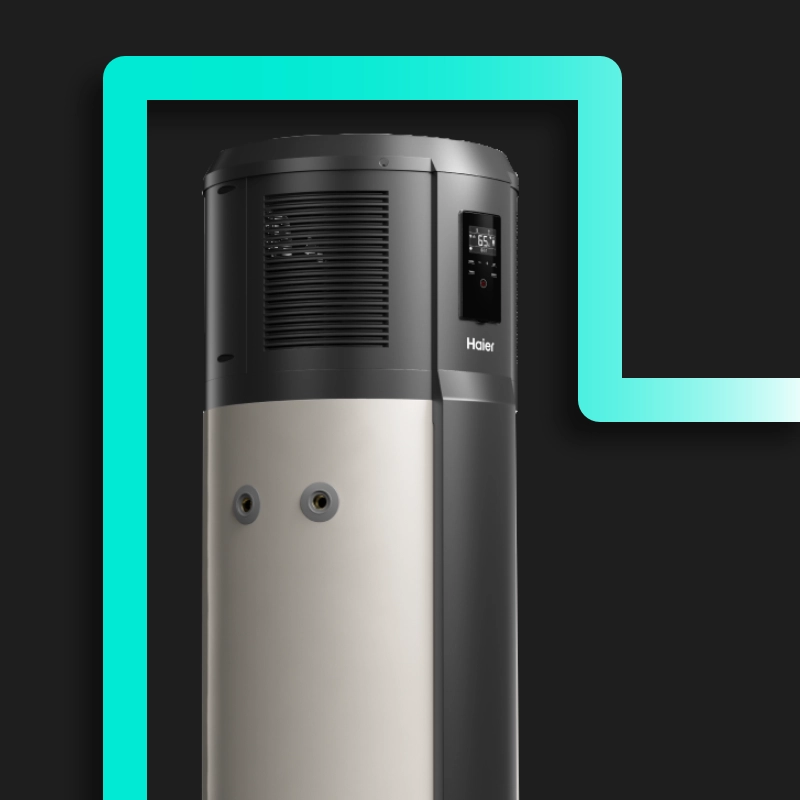
A main switch may be an isolator rather than an overcurrent protective device. Do not assume that every device called a main switch provides the same overload protection or that one visible label describes the whole service capacity.
Cable capacity, protective devices, service arrangements, phase balance and installation conditions all need professional assessment. Household examples such as 63 A or 80 A are not universal design limits.
Load control may reduce EV charging while other appliances are operating. Scheduling can also avoid unnecessary overlap. In other cases, circuit, switchboard, consumer-mains or service work may be required.
Solar and a battery do not automatically increase the permitted rating of existing wiring. Ask for a design that remains appropriate under the relevant operating conditions, including low solar production.
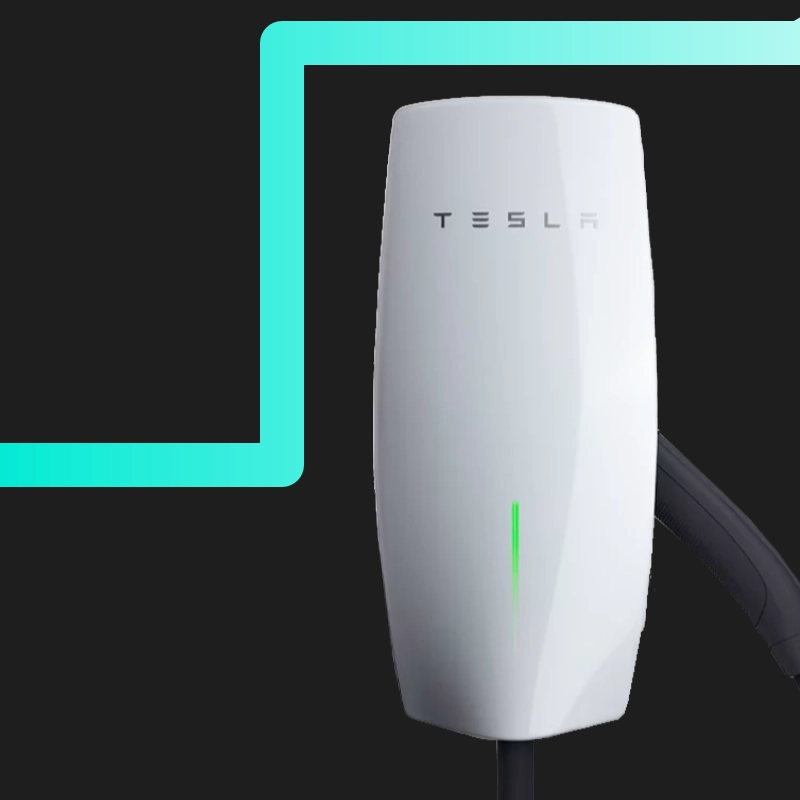
List the appliances you have now and the ones being considered, with their model details where available. Include the EV charger, heating and cooling, hot water, cooking, pool equipment and any workshop loads. Explain which items are likely to operate together and which can be scheduled.
Ask the electrician to compare an unmanaged case with a supported load-control option. For a charger, that might involve reducing charging demand when the rest of the property is using more power. The design must specify the compatible controller and metering; a general promise of “smart charging” is not enough.
Also discuss operating conditions when solar is low or the battery is depleted. A supply assessment should not depend on generation always being available. If backup is planned, ask how the protected circuits and load limits differ from normal operation.
Request a written scope showing any dedicated circuits, protection, switchboard work and network requirements. This gives you a basis for ordering equipment and comparing the cost of management with the cost of an upgrade.
Contact Lightning Energy to discuss the options for your property and electricity use.
Available times
Book a consultation and we'll map solar, storage, hot water, and the rebates around your bills and your goals.
Question 1 of 6