
Wholesale Electricity Prices and the Role of Battery Storage
Wholesale prices, grid reliability and household retail bills need to be assessed separately.
Wholesale prices, grid reliability and household retail bills need to be assessed separately.
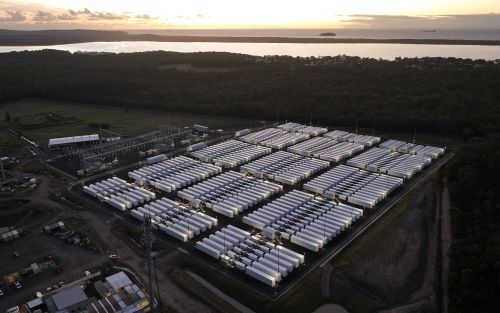
A wholesale electricity price is a market result for a time and place. A retail bill is the price a household pays under its contract. Battery storage can influence electricity-system operation, but that does not mean every household bill moves with a quarterly wholesale headline.
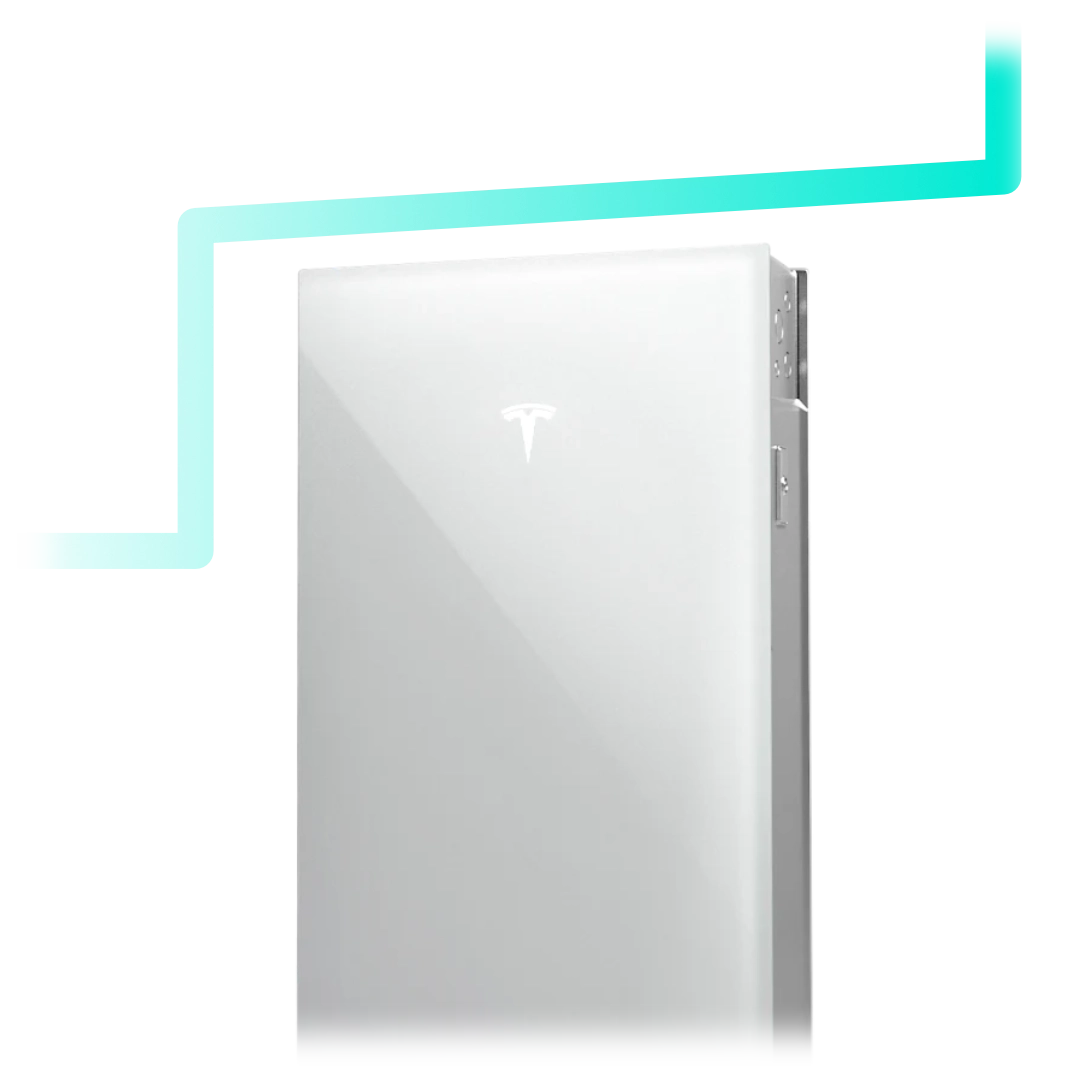
A home battery can shift some energy use between periods. It does not replace every service provided by the grid.
If you export substantial energy during the day and import later, compare load scheduling and storage options using the actual quantities and tariff.
The decision should account for installed cost, available charging energy, later demand and operating losses. A favourable market trend alone does not establish the return for one household.
Bring your bills and a week of real usage to a design consult.
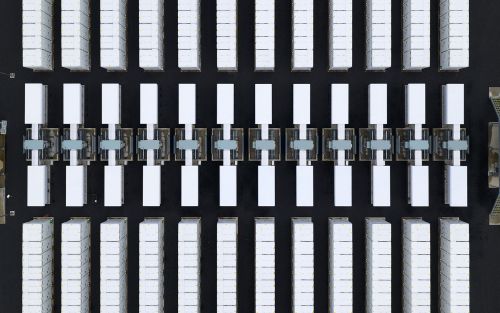

The Australian Energy Regulator’s cost framework separates wholesale, network, environmental and retail costs. Retail contract timing and the household’s usage pattern also matter when comparing a bill with a market headline.
To describe an actual price trend, use a dated market period and the relevant region. “Wholesale prices are down” is incomplete without those details.
Contact Lightning Energy to discuss the options for your property and electricity use.
Available times
Book a consultation and we'll map solar, storage, hot water, and the rebates around your bills and your goals.
Question 1 of 6