
Balcony Solar in Australia: What Has—and Hasn’t—Changed
Policy work on plug-in solar does not itself approve a product or installation. What renters and apartment owners should check.
Policy work on plug-in solar does not itself approve a product or installation. What renters and apartment owners should check.

Balcony solar can mean several different things: permanently installed panels on a building, a portable panel charging a standalone power station, or equipment intended to feed electricity into a building through a socket. These are not interchangeable products or regulatory categories.
Climate and Energy Minister Chris Bowen framed it as opening a path for apartment dwellers and renters to get more control over bills — even without a roof. Renew Economy reported his weekend warning: this is not an overnight proposition. Safety standards, Standards Australia, state safety regulators and strata law reviews still sit in the way.
Bowen has also said that once standards and rules are right, plug-in kit should sit under existing rebate frameworks — including Cheaper Home Batteries and SRES — with details still to be worked through.
The policy discussion does not itself authorise a particular installation or establish an immediate saving.
If you own or control a roof:
If you rent or live in an apartment:
Any future pathway needs workable electrical standards and property permissions. Check the requirements applying to the proposed product before buying it.
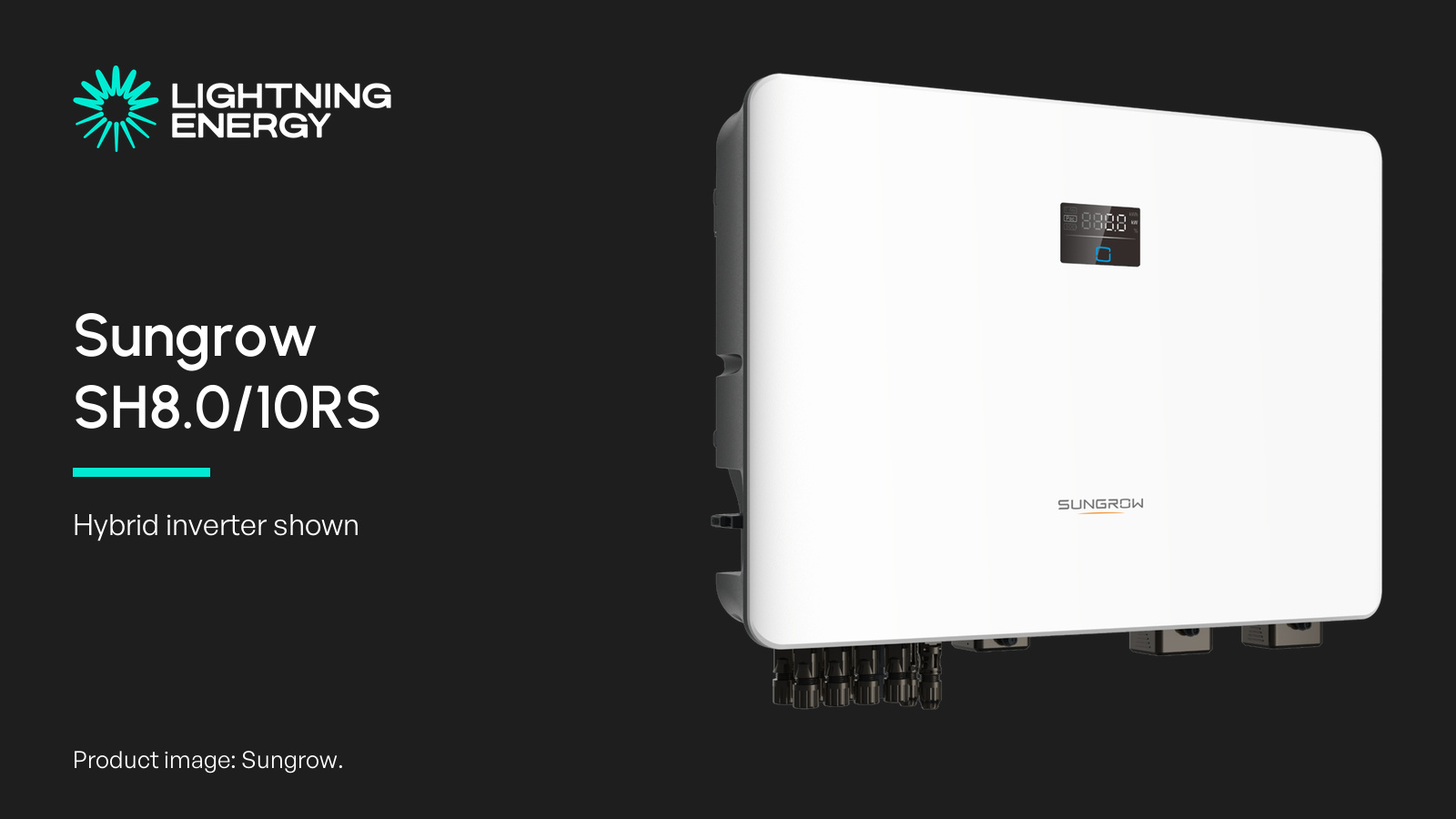
Ask the supplier to identify exactly how the system supplies power. Does it charge a standalone battery that runs its own connected appliances, or does it feed the home’s fixed wiring? The answer changes the installation, electrical and approval questions.
Do not connect generation to a household socket on the assumption that overseas installation advice applies in Australia. Obtain written advice from the relevant state electrical-safety authority and your network for the proposed product and use. A licensed electrician can assess the property’s installation requirements.
The owners corporation or strata body may need to consider common property, external appearance, mounting, access and responsibility for maintenance. Tenants also need to check permission for alterations. These requirements depend on the property and jurisdiction.
A secure mounting arrangement and an electrically appropriate product are separate questions; solving one does not automatically solve the other.
Describe the model, whether it connects to fixed wiring, where the panel and battery will sit, and which appliances it is intended to supply. Request the Australian compliance information and installation instructions. A seller’s overseas demonstration should not replace that information. For a rented or strata property, include the mounting and permissions in the same enquiry so electrical suitability and property approval are considered together.
Contact Lightning Energy to discuss the options for your property and electricity use.
Available times
Book a consultation and we'll map solar, storage, hot water, and the rebates around your bills and your goals.
Question 1 of 6