
Choosing a Home Battery in Australia: Capacity, Backup and Support
Compare usable storage, output power, backup design, compatibility and support before choosing a battery brand.
Compare usable storage, output power, backup design, compatibility and support before choosing a battery brand.
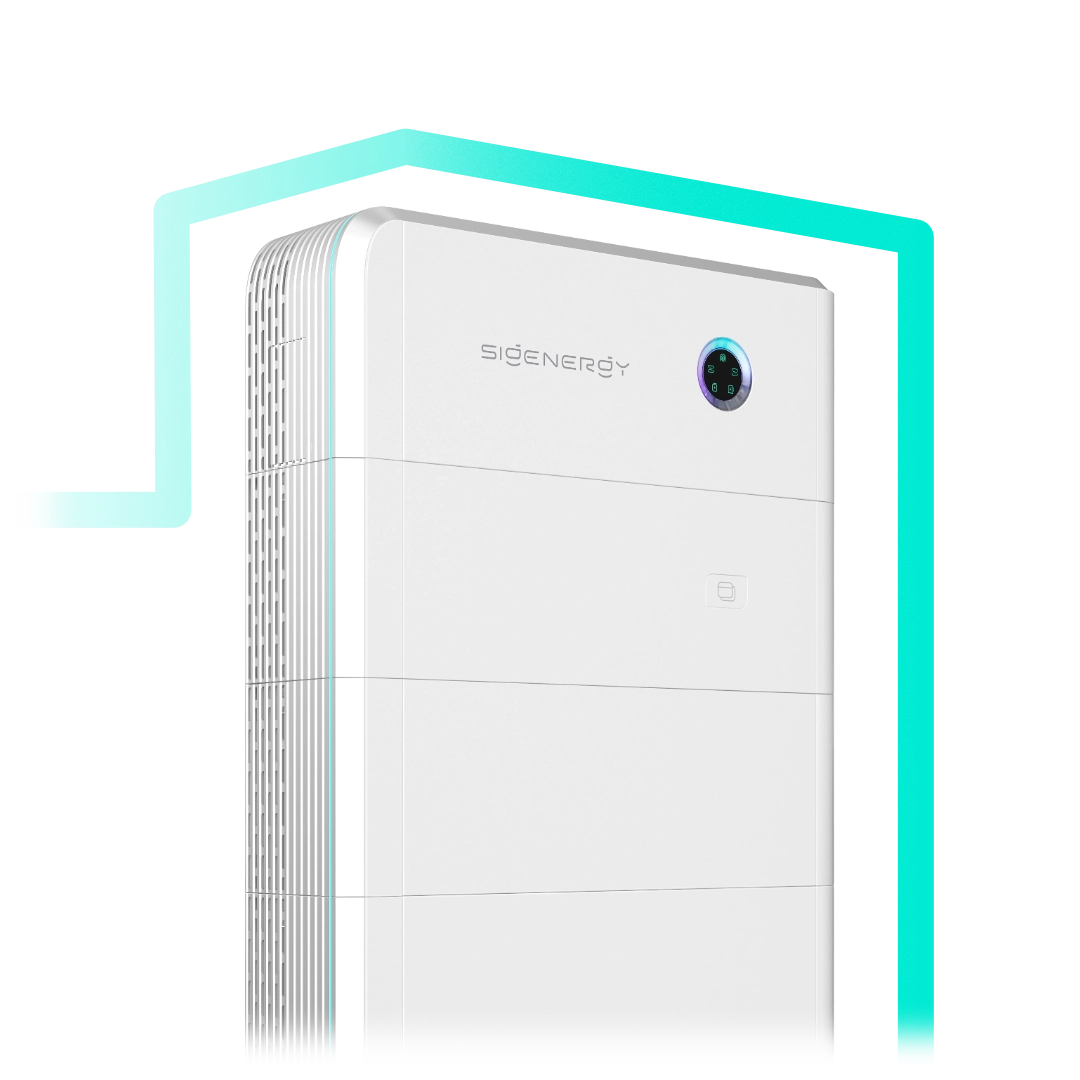
The best home battery is the one that fits the property’s loads, solar system, backup requirements and budget. Brand rankings are a poor substitute for comparing the exact equipment and installation scope.
Choose a battery around evening electricity use, backup requirements and the solar energy available to charge it. Compare the complete installed configuration rather than the brand name alone.
Tesla Powerwall 3, Sigenergy SigenStor, GoodWe ESA, Anker SOLIX and FoxESS offer different configurations. Begin with your electricity use so the comparison focuses on the equipment and functions you need.
Bring seasonal bills and, where available, interval data. Include heating, hot water, cooking and EV charging. This helps the designer compare capacity, output and scheduling needs before choosing the battery configuration.
Light evening usage can make a smaller system appropriate, while backup priorities may justify a different reserve or capacity. Heavy simultaneous loads also require an output assessment. Ask the designer to explain the proposed size using both energy and power.
No brand is best for every property. Compare the actual configuration, installed cost, warranty and support against the same household brief.
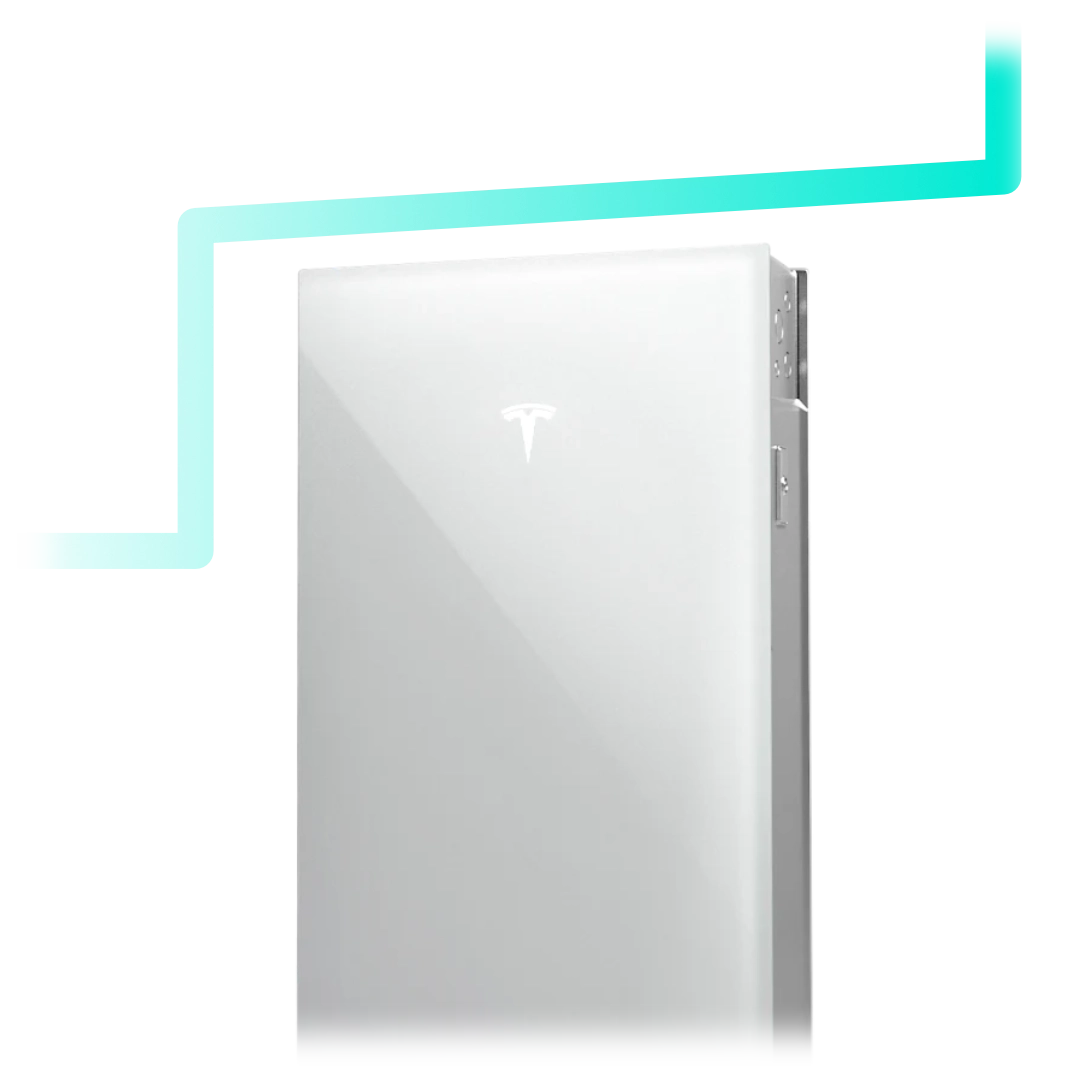
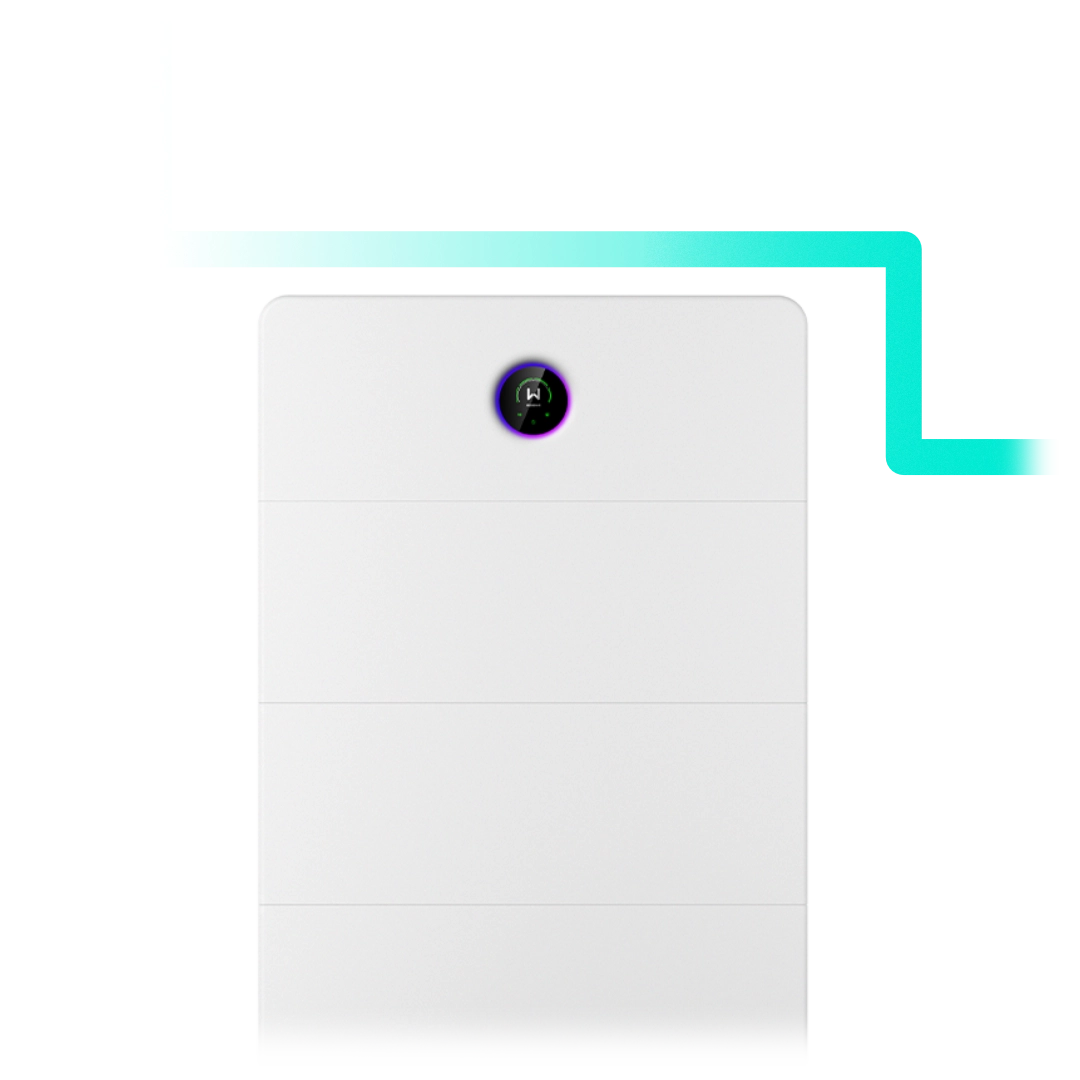
A working solar system can have several possible storage pathways. Compare the equipment retained or replaced, resulting capacity and output, and future expansion requirements. A preference for a particular brand should follow that design comparison.
Compare each proposal against the same evening loads, existing equipment, backup requirements and service expectations. This makes differences in the recommended systems easier to understand.
A preferred brand is a reasonable starting point. Check that its supported configuration also meets the property’s requirements and budget.
Ask how each shortlisted system would operate during normal evening use and during an outage. Have the installer identify any limits affecting the appliances you want to run.

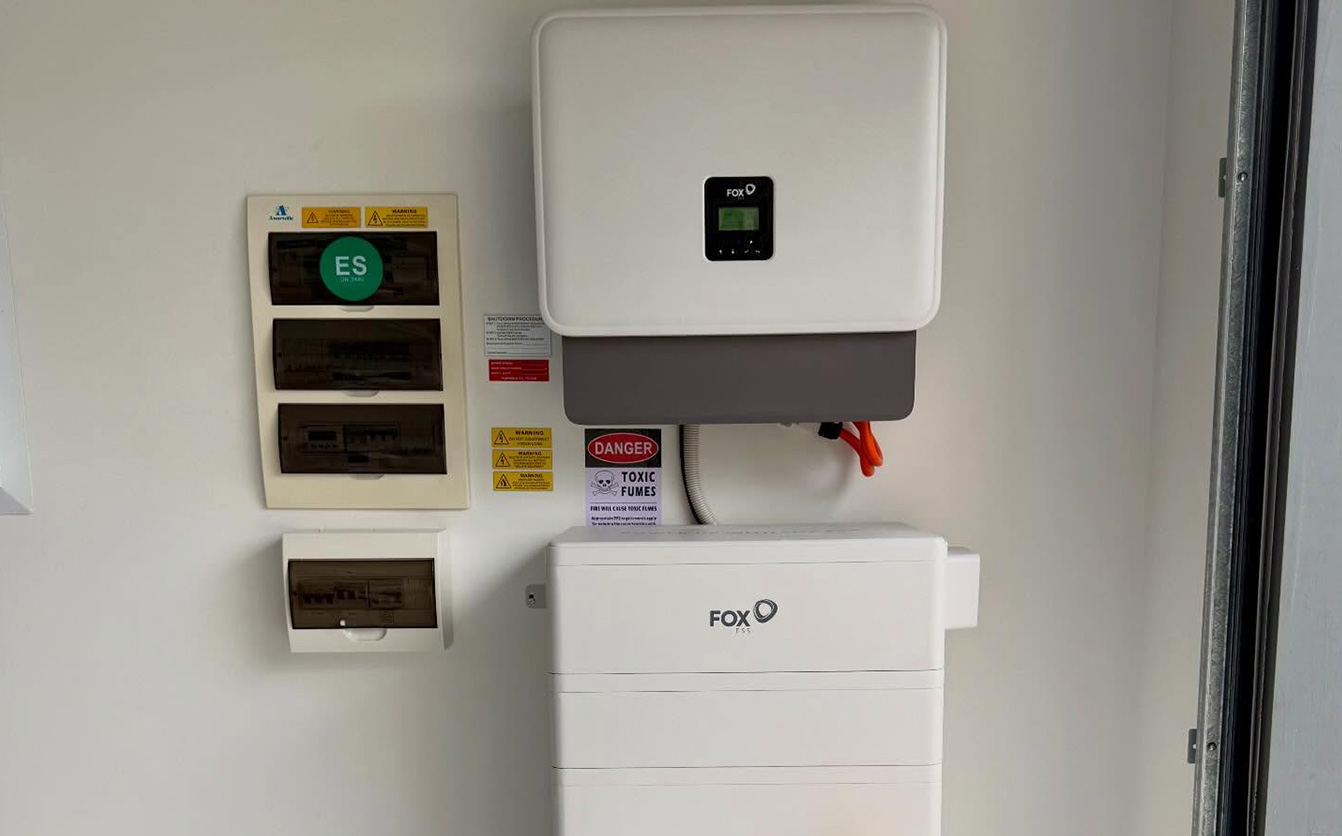
Manufacturer-supported compatibility matters more than labels such as “open” or “closed”. An integrated product may suit one project, while a modular arrangement may suit another. Neither description guarantees that any third-party component can be added later.
Have the installer explain what the system does on a sunny day, on a low-solar winter day and during a blackout. These examples reveal more than a capacity number alone.
If two quotes differ substantially, ask which assumptions changed. Different backup scope, electrical work or equipment generations can make apparently similar prices difficult to compare.
Contact Lightning Energy to discuss the options for your property and electricity use.
Available times
Book a consultation and we'll map solar, storage, hot water, and the rebates around your bills and your goals.
Question 1 of 6