Solar Panels Got So Cheap They’re Rewriting Business — And Stressing the Grid
Solar fell from ~$5/W to ~$0.12/W. Businesses without it struggle — and two-way grids are straining. What Australian homeowners should do beyond cheap panels.
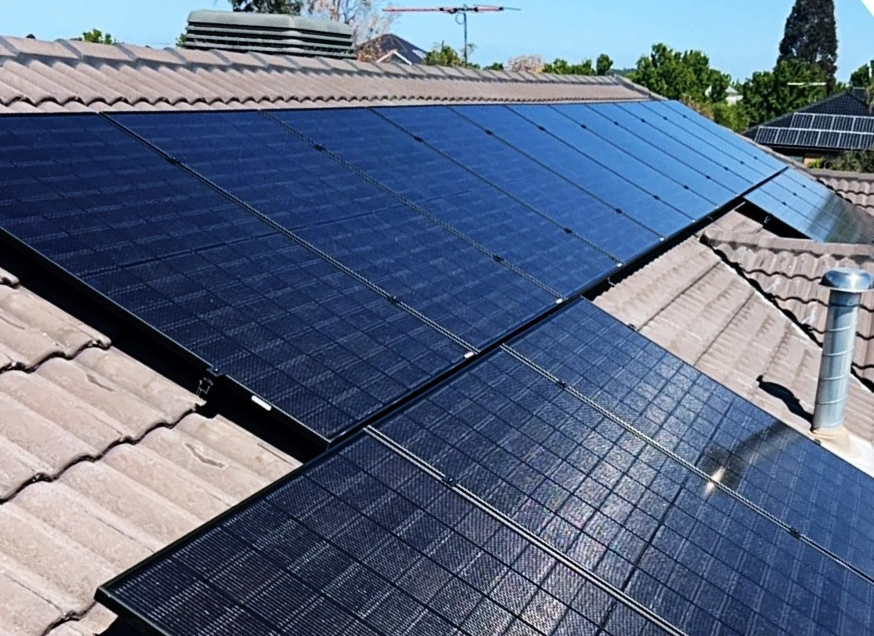
Australia — Here's what just landed from the global hardware beat. Solar panels have fallen so far in price that, in many places, a business without solar is starting to struggle to compete. That same flood of cheap generation is also stressing power grids never designed for two-way traffic — and raising the awkward question of who pays for the wires when more people generate their own power.
Did you know panel prices have crashed from roughly $5 per watt at the start of this century to around $0.12 per watt today? That collapse is almost entirely driven by China’s enormous production — currently estimated around 1.36 terawatts per year, per PCMag’s reporting.
Cheap panels are not free independence at your meter. Export limits, evening peaks and a home battery still decide whether midday sun actually cuts the dinner bill.
Invest in your independence where the meter still answers to you. Stake your claim on power you can use when you need it — not just on how many watts you can hang on the roof.
Source: PCMag / Jon Martindale, updated 18 Sep 2026 (https://au.pcmag.com/batteries-power/119969/sunnier-days-ahead-solar-panels-are-now-so-cheap-its-upending-the-business-world).
## The price crash — and why businesses now need solar to compete
Per PCMag, the Financial Times angle is blunt: when rivals already run on cheap solar, a cement plant (or any energy-heavy business) without it fights on fuel volatility while competitors lock in lower energy costs. The cited example is a cement producer in Northern Pakistan that treats solar as a survival necessity — rivals with panels undercut on price regardless of global fuel swings.


This is not only a rich-world story. Estimates from the think tank Ember suggest African countries will jointly bring online over 17 GW of solar generation in 2026 — helping displace dirtier stopgaps such as kerosene lamps and charcoal cooking fires.
The genie is not going back in the bottle. As fuel prices jump and geopolitics add uncertainty, more people simply want stable, affordable power. Solar looks set to keep winning that race on cost.
For Australian households, the parallel is quieter: panels got cheap enough that the hard questions moved from “can I afford modules?” to “what happens after they hit the roof?” — especially once networks start writing fixed network charges and export rules that punish vanity oversizing. Trade and steel-duty noise on the utility side is a separate story.
## Plug-in and balcony solar — overseas heat, Australian caution
PCMag notes that plug-in / balcony solar is making inroads where rules allow smaller setups on balconies and yards. The UK has legalised these systems. In the US, some solar acceleration has been stymied at policy level, yet plug-in kit is still finding gaps.
That is not a green light for Australian wall sockets tonight. Here, energy ministers have put plug-in and balcony pathways on the agenda — explore safe deployment, report back, standards and strata still to land. Sold is not the same as legal to use.
## Grids built for one way are straining under two
National grids were largely designed for one-way power: big plants out, customers in. Exploding rooftop and business self-generation flips that model. PCMag links day-long blackouts in Spain and Portugal in 2025 to grids that had not adapted to the surge of solar from homes and businesses.
As more customers generate (and sometimes export) for much of the day, utilities see shrinking volume on the wires they still have to maintain. That raises a fairness fight: who should pay for grid infrastructure when self-generation rises? Raise prices on whoever is left, and you punish households that cannot afford or physically fit panels.
Australian homeowners already live a version of this tension — midday export limits, duck-curve pricing, and rising fixed network components that keep the poles standing even when your panels are humming. Cheap modules do not rewrite those rules.
## AI load management — one piece of the puzzle, not your dinner plan
Part of the system-level answer may be AI-assisted load management and smarter weather forecasting — so grids can respond to solar influx instead of fighting it blind.
That is network and market infrastructure talk. It does not replace owning evening power at your meter. Forecasting does not charge your fridge at 7pm.
## Cheap panels ≠ free independence at the Australian meter
Here is the homeowner twist the hardware story often skips.
What cheap panels buy you: more watts for less hardware spend, and a stronger case to put generation on roofs and sheds where the sun actually hits.
What they do not buy you by themselves: freedom from export limits; automatic cover for the evening peak; immunity from fixed network charges and tariff redesign; or a legal plug-in balcony workaround if you rent or lack roof rights.
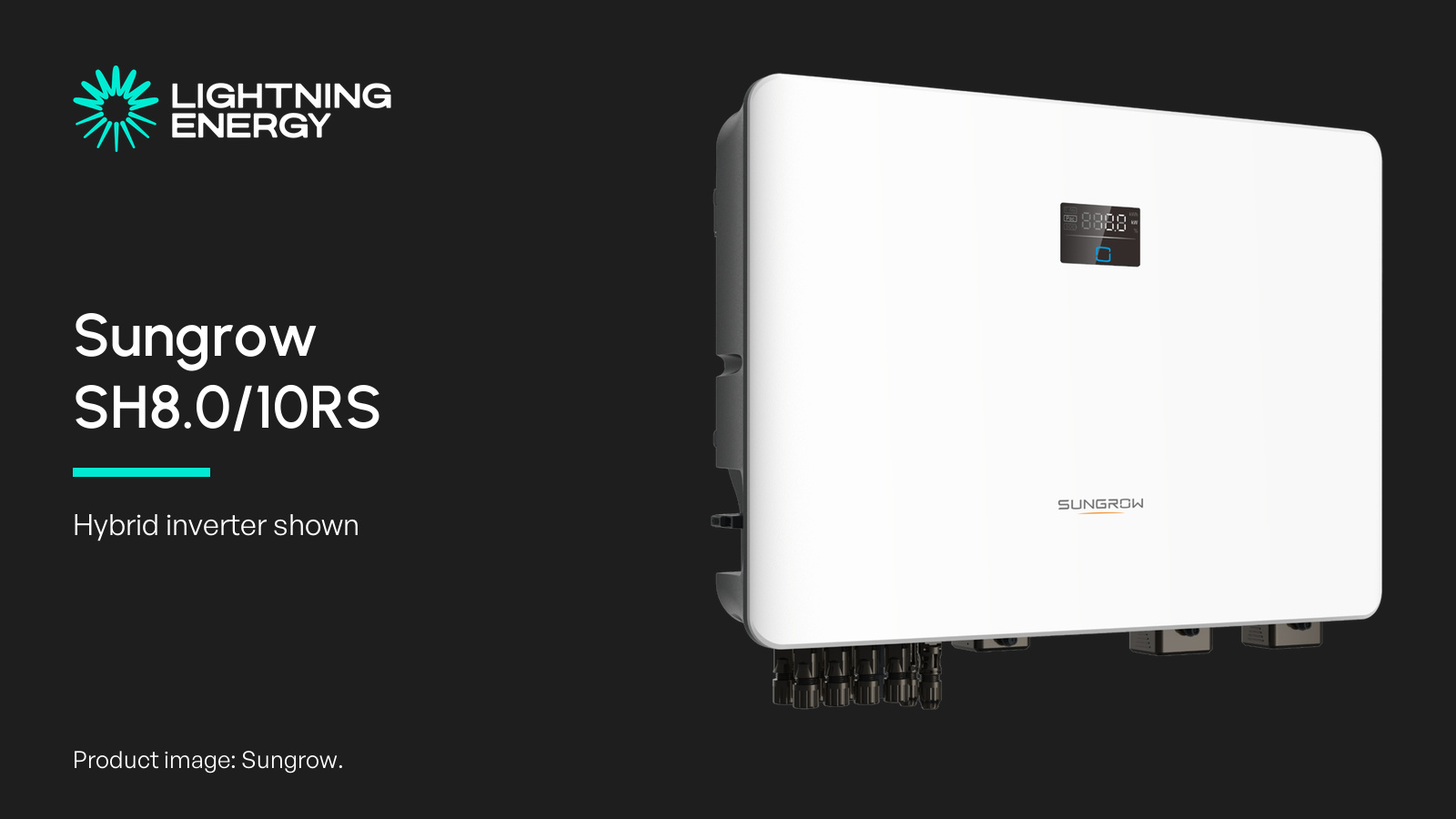
The adult stack is still: roof solar sized to your load and export rules, plus a compliant home battery that shifts midday sun into the dinner window. Design for use, not for a vanity kilowatt count that gets curtailed.
Federal Cheaper Home Batteries support can take around / up to ~30% off eligible home battery systems when you qualify. Eligibility depends on property and current rules. Never invent dollar savings off a global panel-price headline.
## Stake your claim where the genie still answers to you
Panels fell from roughly $5/W to about $0.12/W, China is pouring out around 1.36 TW/year, businesses without solar are under pressure, and grids designed for one-way power are feeling the strain — including the Spain/Portugal adaptation shock of 2025. The genie is not going back in the bottle. People want stable, affordable power.
Your move is still local. Size the roof for what you can use and export, add storage for the evening peak, and read network charges before you chase another string of panels. Own the hours that decide the bill — the global price crash already happened without you.
Available times
Book a consultation and we'll map solar, storage, hot water, and the rebates around your bills and your goals.
Question 1 of 6