The All-Electric Supermarket: What Coles’ New Store Means for Business Energy
A supermarket is an interesting test of electrification because its energy needs do not end when the sun goes down. Food must remain cold, customers need comfortable spaces and equipment has to keep working.
LLuke CoveLightning Energy9 October 2026 · 4 min read
A supermarket is an interesting test of electrification because its energy needs do not end when the sun goes down. Food must remain cold, customers need comfortable spaces and equipment has to keep working.
Coles' first fully electric supermarket, reported on 30 September, offers a useful case study for other Australian businesses. The lesson is about integrating loads and supply, not copying a supermarket's equipment list.
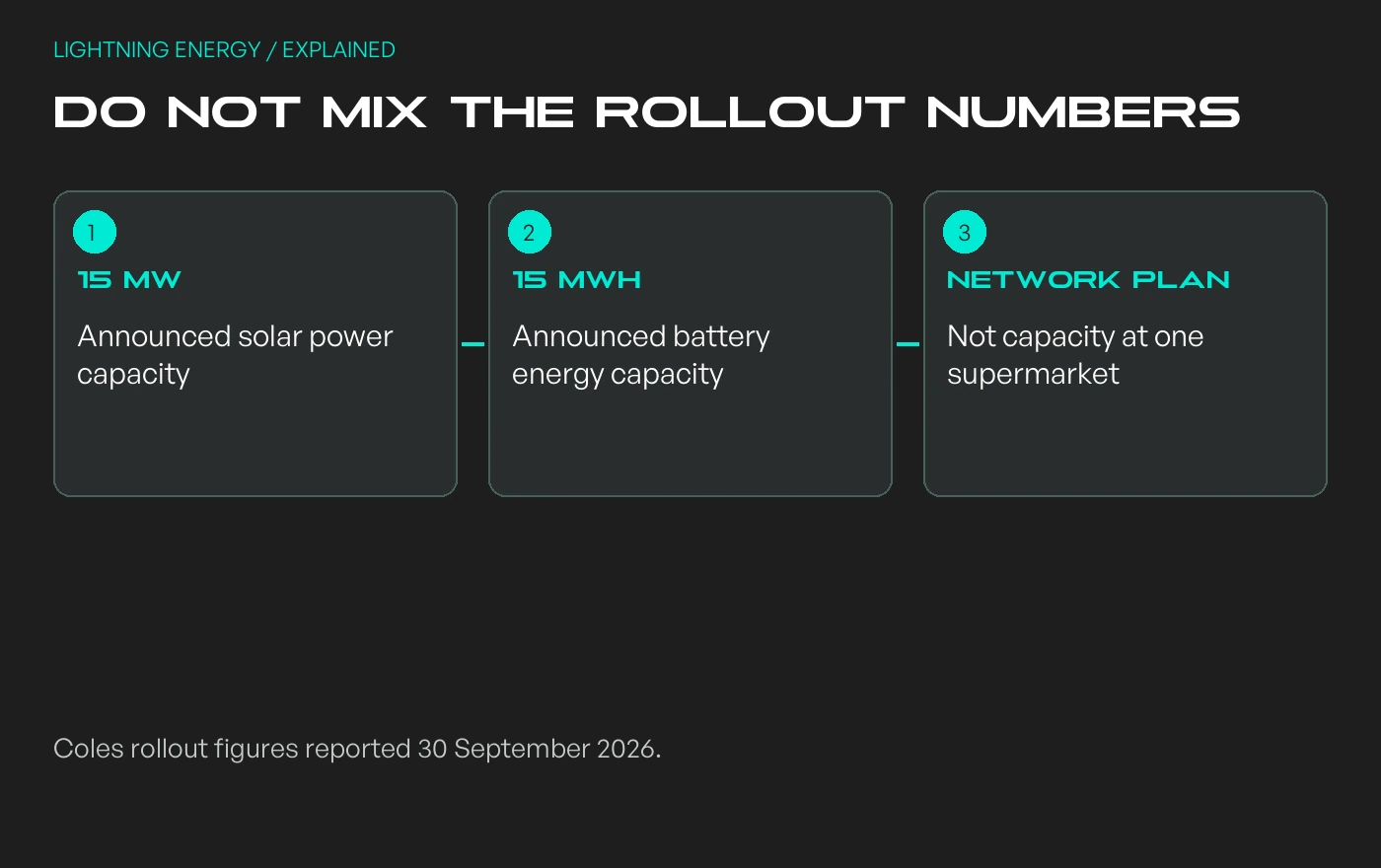
The company also outlined plans for another 15 MW of rooftop solar and 15 MWh of battery storage across its Australian store network. Those are different measurements: generating power capacity and stored energy.
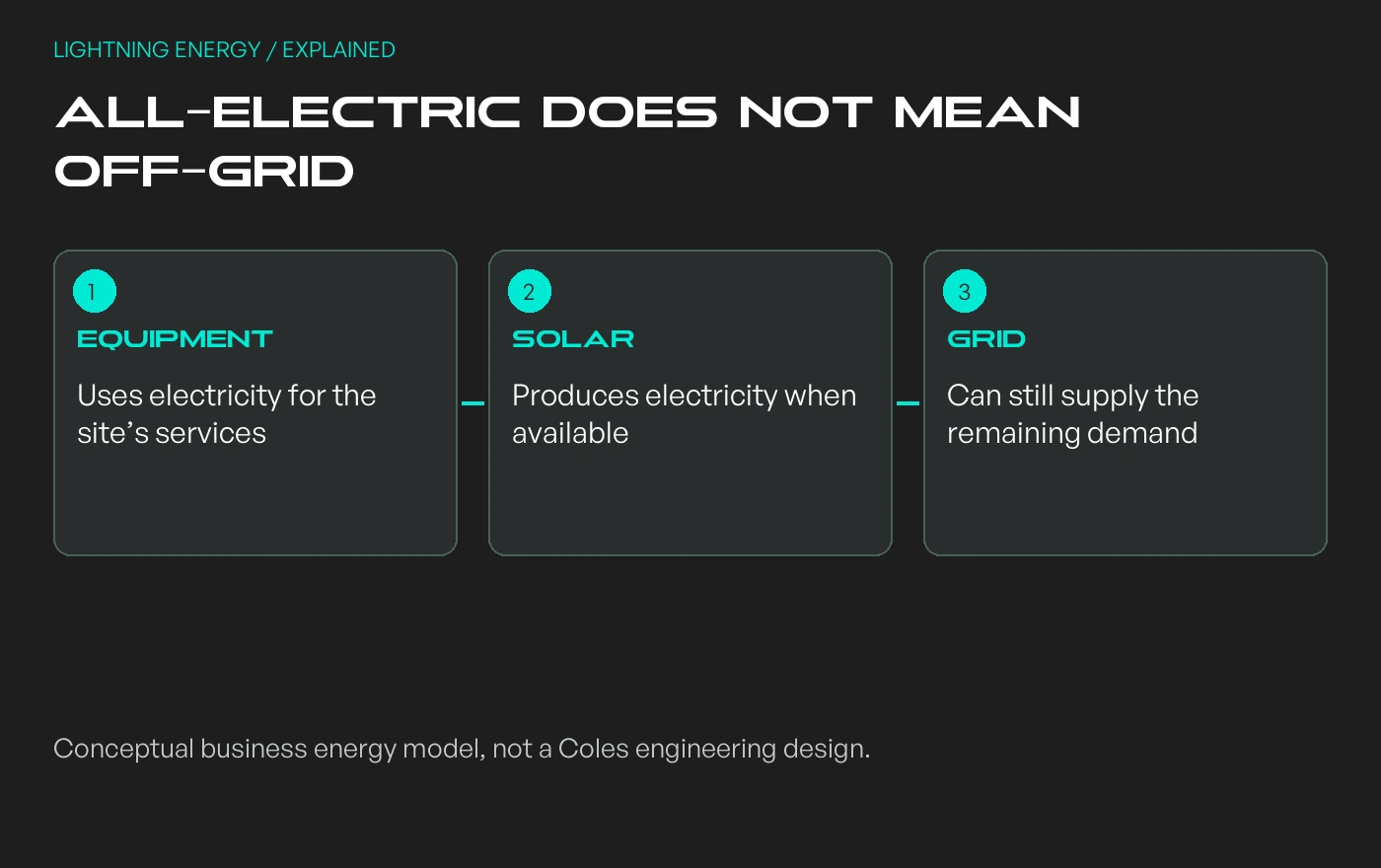
The network rollout is an announced plan, not a statement that every store already has the equipment. Fully electric also describes the site's equipment and energy use; it does not automatically mean off-grid operation.
The late-September reporting is the news hook. The store opening and the wider network rollout are separate milestones.
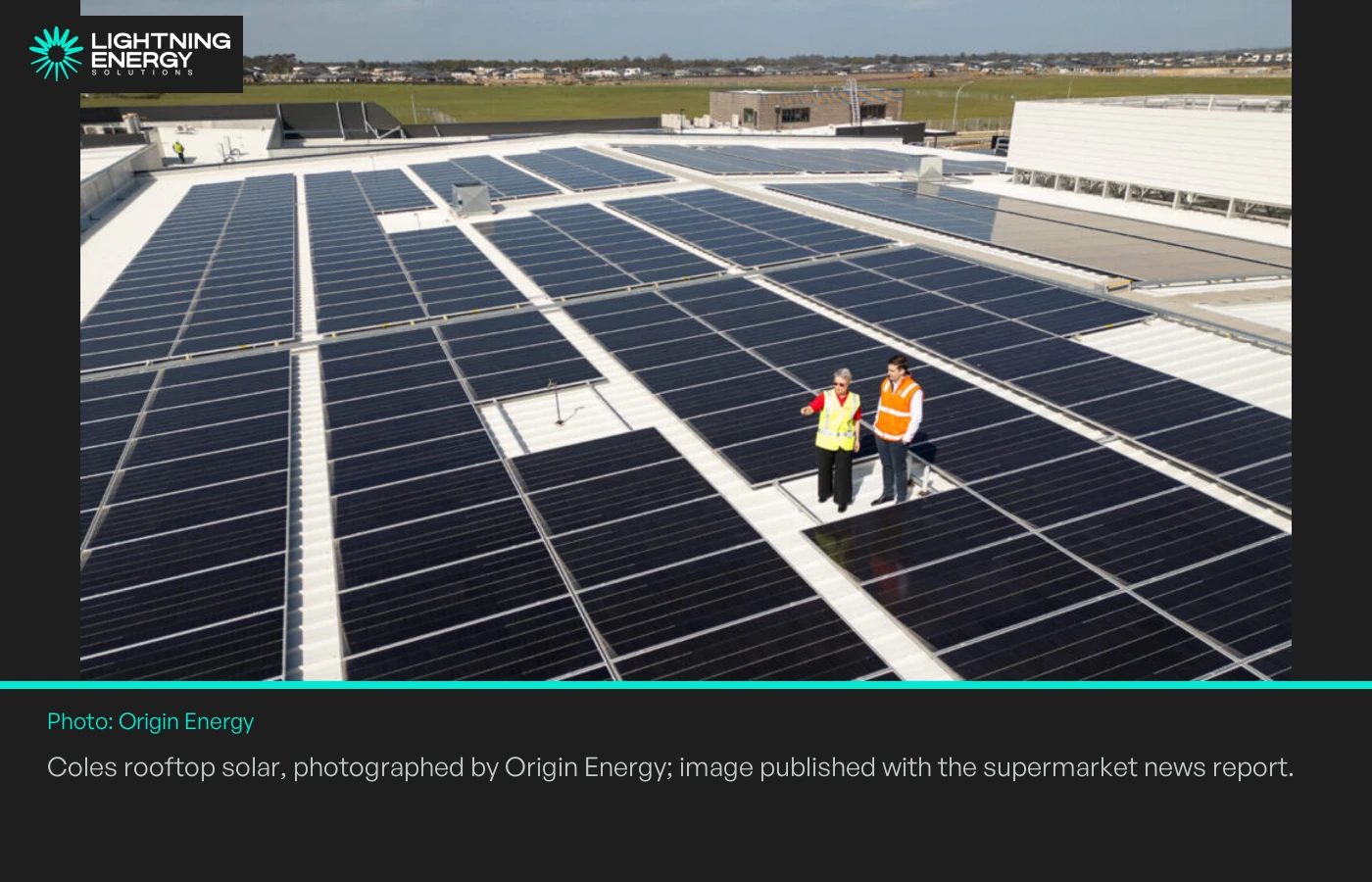
Photo: Origin Energy. Coles rooftop solar, photographed by Origin Energy; image published with the supermarket news report.
Why supermarkets make an instructive example
Refrigeration can continue around the clock, while customer activity and cooling loads vary. That makes the shape of demand important when assessing rooftop solar.
A business with significant daytime use may consume some generation directly. Storage can move some electricity to another time, but its value depends on the load profile and tariff as well as equipment cost.
I would resist applying one retailer's strategy to every small business. A cafe, office, workshop and cold store can have quite different operating patterns even when their annual electricity totals look similar.
Original Lightning Energy graphic. Conceptual business energy model, not a Coles engineering design.
Electrification is a system decision
Replacing fuel-burning equipment can alter the electrical load. Supply capacity, protection, controls and metering may therefore be part of the project, rather than minor extras discovered after equipment is chosen.
Heating and cooling should also be assessed alongside the building. Reducing unwanted heat gain can change the duty placed on equipment.
For critical loads, reliability planning matters as much as energy costs. A battery is not automatically a complete backup system: the design must specify the supported loads, changeover arrangements and expected runtime.
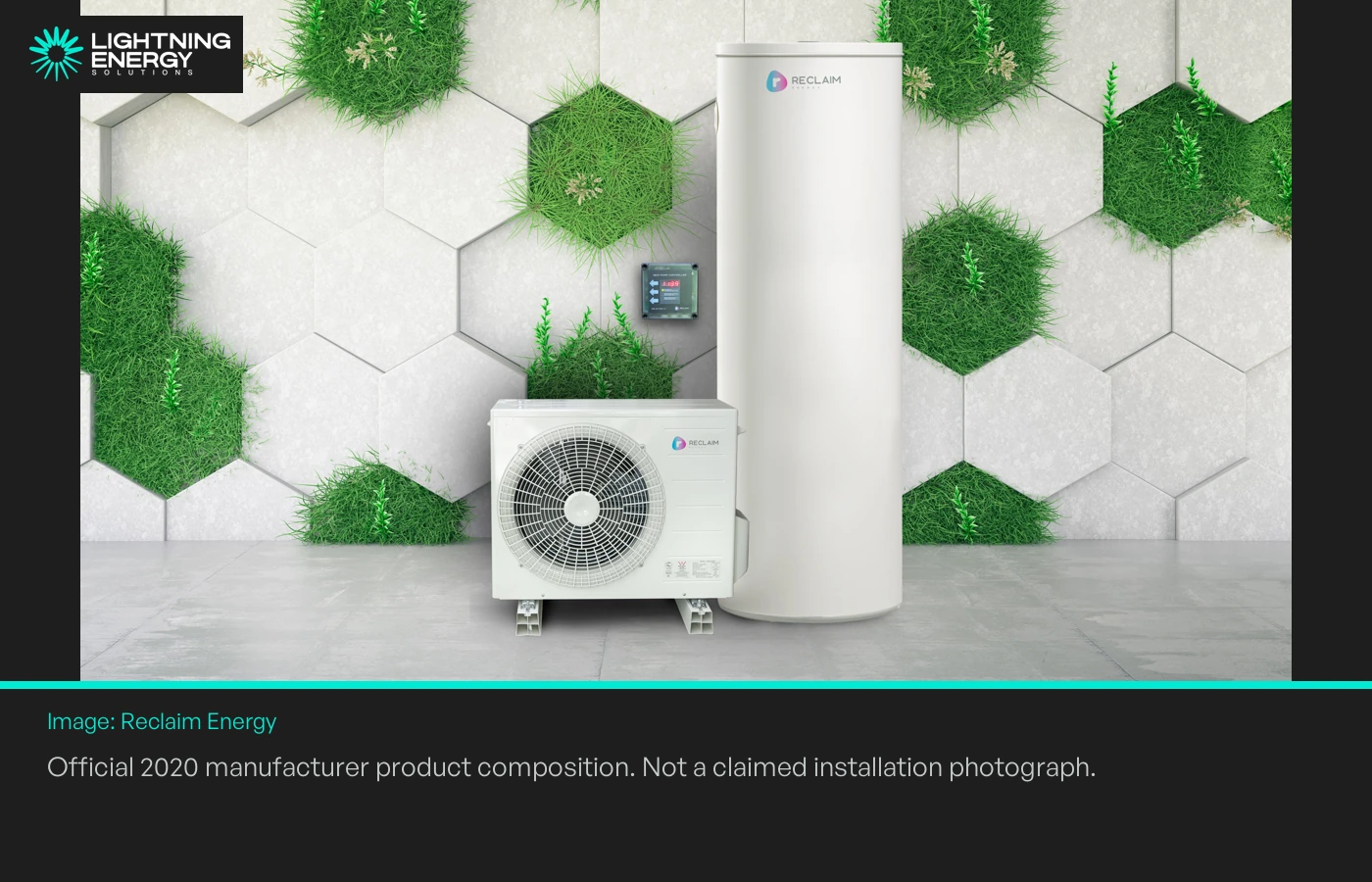
Image: Reclaim Energy. Official 2020 manufacturer product composition. Not a claimed installation photograph. Illustrative household context, not the news project.
What I would ask a business owner first
Start with interval data, operating hours and the equipment replacement plan. Identify which loads are essential, which are flexible and which are likely to change over the next few years.
Then compare a sensible base project with optional additions. Show the cost and benefit of storage separately, include connection work and avoid counting the same saving twice.
My recommendation is to use the supermarket story as a planning example.
Some businesses can make a coordinated transition; others are better served by replacing one failing appliance and improving controls before taking on a larger capital project.
Research checked 9 October 2026. Project plans and policy timelines may change. The linked sources distinguish announcements, proposals and operating results.
Book a consultation and we'll map solar, storage, hot water, and the rebates around your bills and your goals.
Loading consultations…
Lightning EnergyPlan your next energy upgrade.
⚡
Hi, I’m Lightning Energy’s project guide. I’ll ask a few practical questions, explain what usually matters for your project, and help you decide on a useful next step — no guesswork or sales pressure.
First, what kind of property are we planning for?