
Community Solar Projects and Rooftop Solar: Different Decisions
Local project concerns and household rooftop decisions involve different costs, benefits and approval processes.
Local project concerns and household rooftop decisions involve different costs, benefits and approval processes.
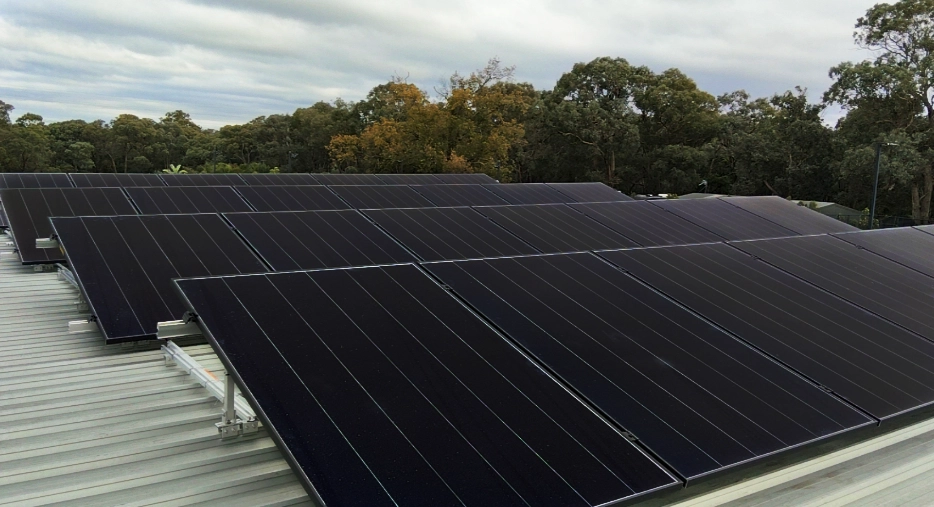
A community can support renewable energy while disagreeing about a particular solar-farm proposal. Local concerns may relate to land use, landscape, construction traffic, biodiversity, project design or how benefits and responsibilities are shared.
Local planning debates and household energy choices operate at different scales. A roof suitable for solar may give a household another option, but it does not resolve the merits of a proposed solar farm.
Landscape, construction traffic, amenity and the distribution of project benefits can all matter to local residents. These concerns should be considered through the relevant planning process.
Utility-scale solar raises project-specific planning and land-use questions. A rooftop system raises household design and connection questions. Considering each on its merits gives residents a clearer basis for both decisions.
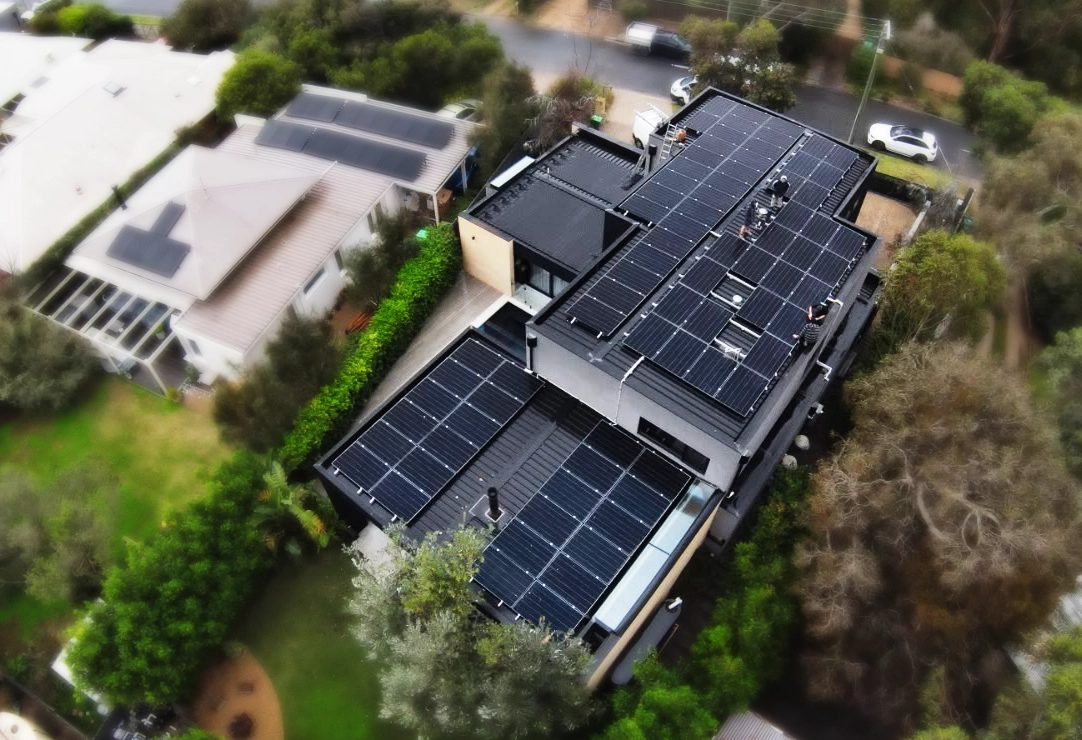
For a household system, assess the property and the proposed equipment separately:
A household installation can address some energy needs while the separate planning process continues.
Whatever view you take on a nearby development, compare household options using your own electricity use, property constraints and budget.
A rooftop decision should follow the property assessment, connection requirements and household financial case.
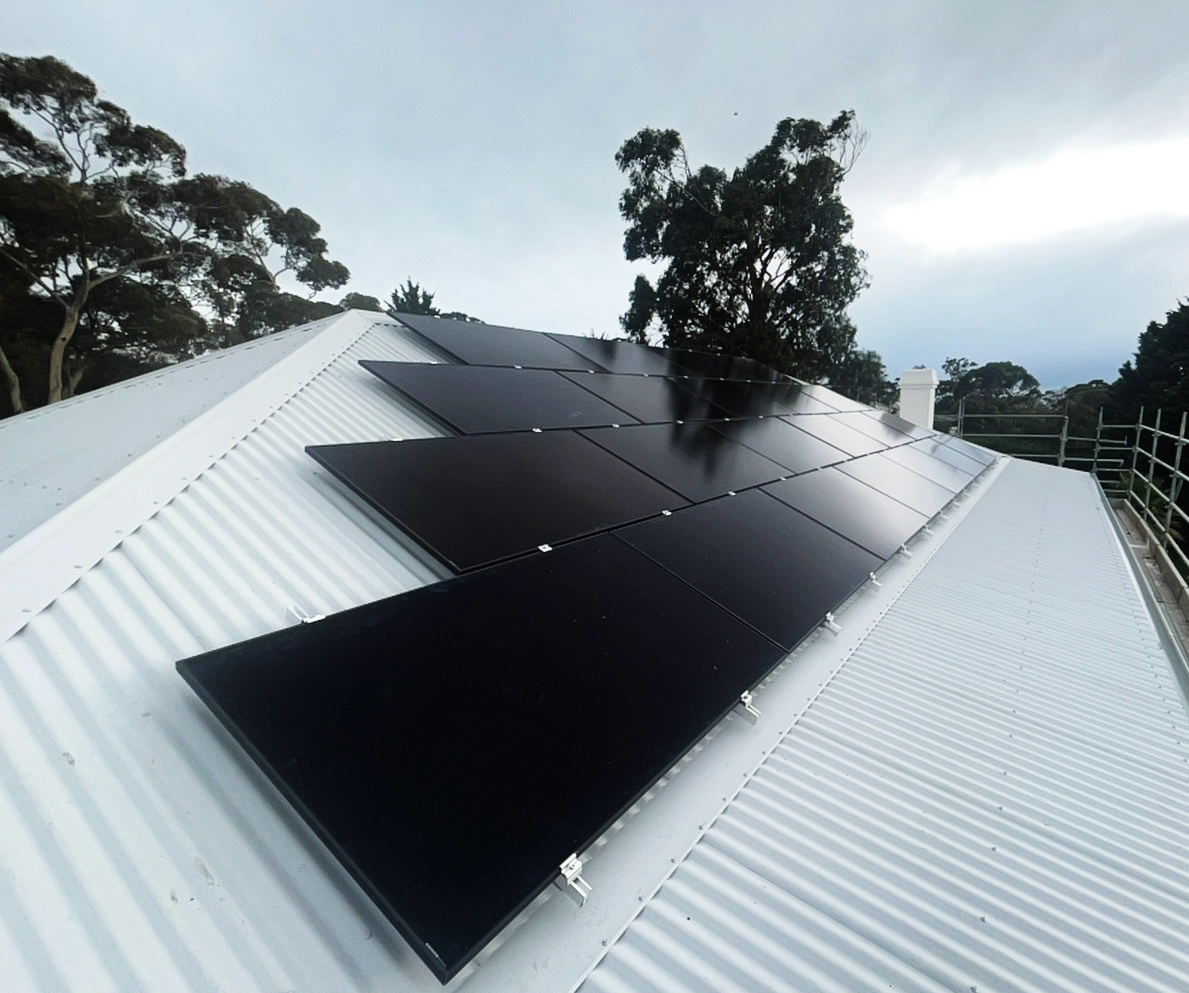
Read the project’s planning documents and identify which design is being considered. Separate proposed measures from binding approval conditions, and check whether a project has changed since the first announcement.
For a public submission, focus on specific impacts, the evidence available and the response sought. A request for clearer traffic management or different setbacks is more useful than a general claim about all renewable projects.
Contact Lightning Energy to discuss the options for your property and electricity use.
Available times
Book a consultation and we'll map solar, storage, hot water, and the rebates around your bills and your goals.
Question 1 of 6