Daikin Alira X vs Panasonic HZ: Which Features Matter in a Victorian Home?
Daikin Alira X and Panasonic HZ both combine reverse-cycle heating and cooling with app controls and additional air-treatment features. For a Victorian home, the useful comparison is how the proposed model serves the room through winter, not how many features fit on a sales card.
LLightning Energy TeamLightning Energy27 October 2026 · 5 min read
Daikin Alira X and Panasonic HZ both combine reverse-cycle heating and cooling with app controls and additional air-treatment features.
For a Victorian home, the useful comparison is how the proposed model serves the room through winter, not how many features fit on a sales card.
This is a desk review of Australian manufacturer material checked on 27 October 2026. We have not independently measured either system's noise, energy use or indoor-air effects.
Specify the model before comparing claims
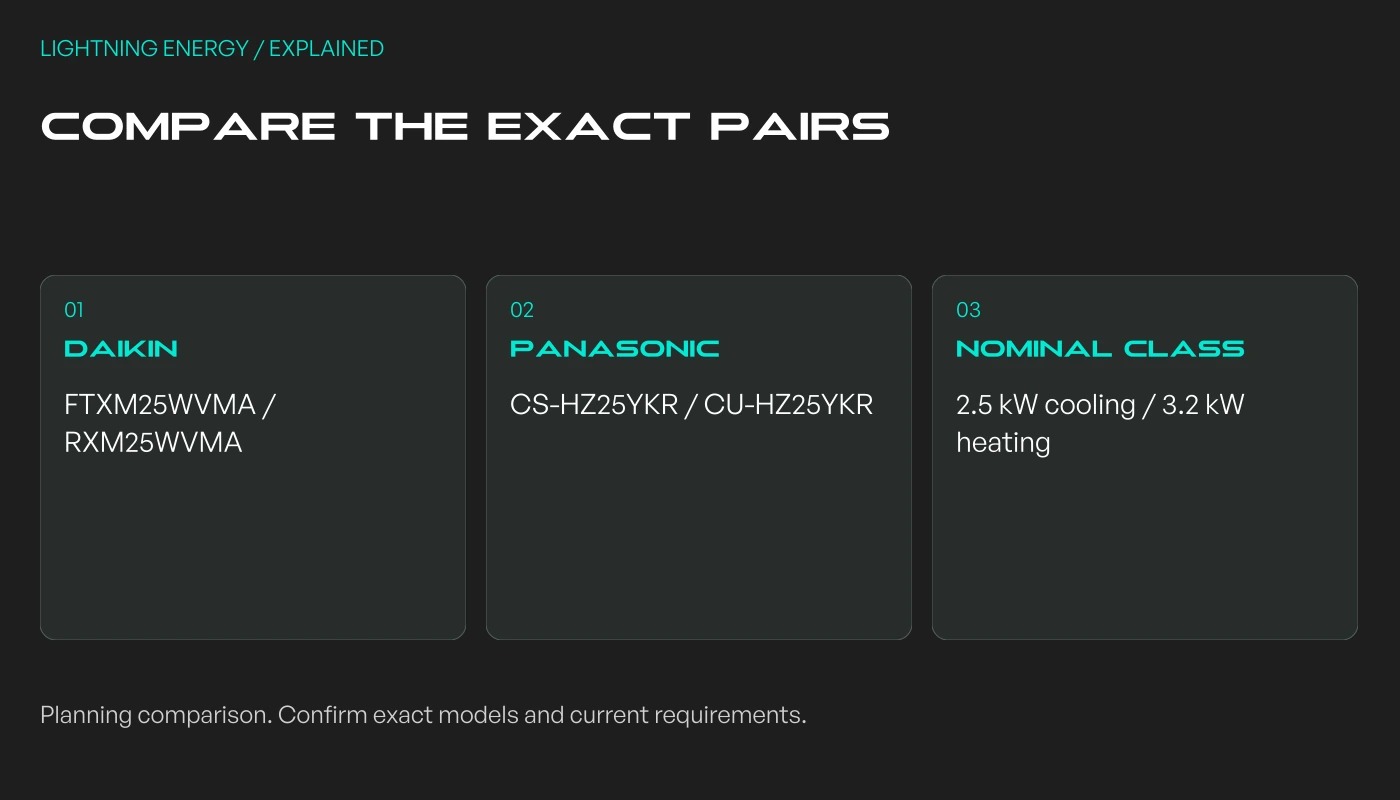
Daikin's Australian Alira X reverse-cycle material includes the FTXM25WVMA/RXM25WVMA pair. Panasonic's Australian HZ material identifies CS-HZ25YKR/CU-HZ25YKR. Both are examples in the 2.5 kW cooling class, with 3.2 kW nominal heating.
These identifiers define the comparison, not a promise about stock availability or the newest revision. If the quote has a different suffix, request its own specification and energy label before carrying these figures across.
An air-conditioning assessment should determine room demand first. Two products sharing a nominal capacity do not necessarily deliver the same output or efficiency at every outdoor temperature.
Planning comparison. Confirm exact models and current requirements.
Give winter operation its own comparison
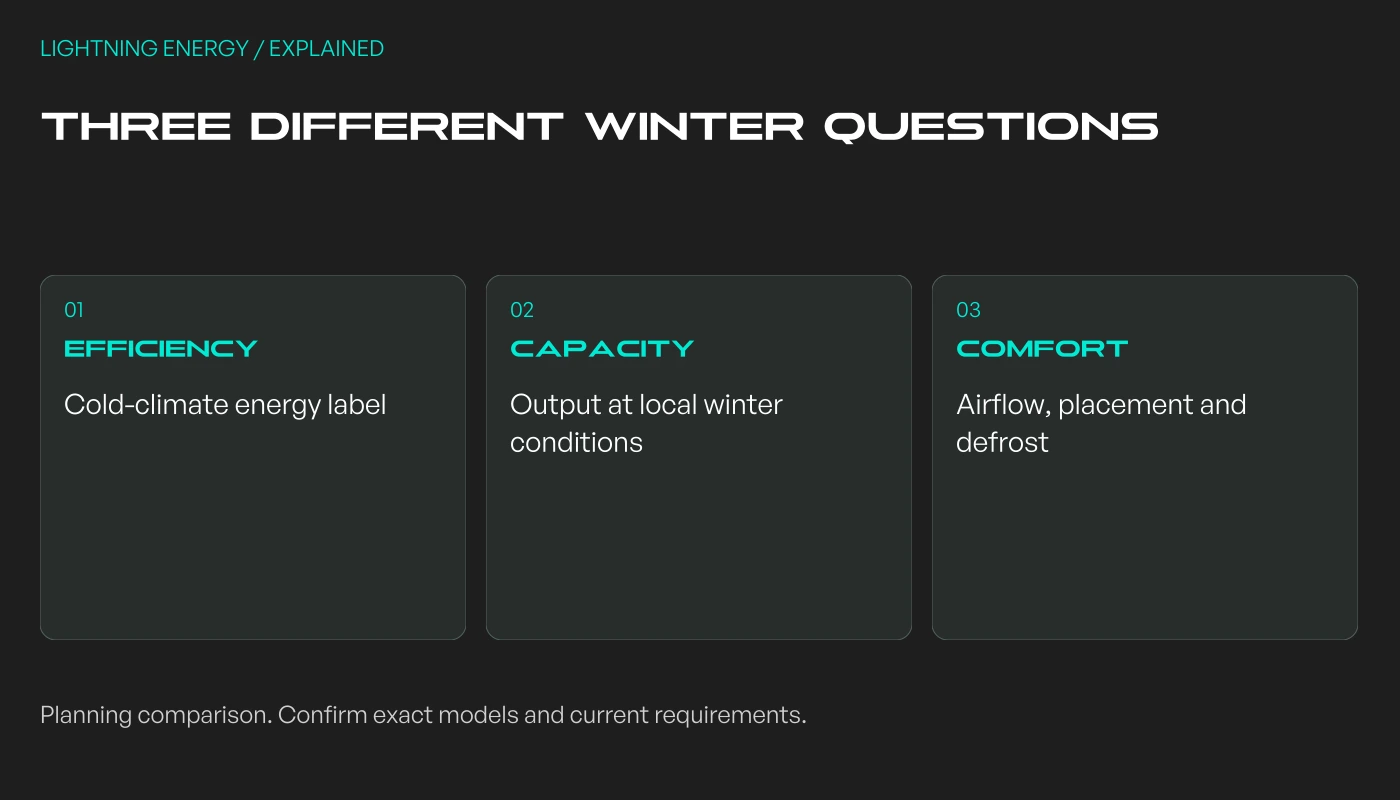
Ask for the cold-climate energy-label figures for each exact indoor/outdoor pair. Keep cooling and heating results separate, and avoid comparing a hot-zone headline from one product with a cold-zone figure from the other.
Also ask how available heating output changes at the local winter design temperature. The operating-temperature limit only tells you the equipment can operate within stated conditions; it does not establish full rated output at the limit.
Daikin promotes heating and defrost-management features for Alira X.
Treat these as manufacturer features rather than proof of a quantified advantage in your home.
We are not declaring a winter-efficiency winner from mismatched document versions.
Planning comparison. Confirm exact models and current requirements.
App controls should solve an everyday task
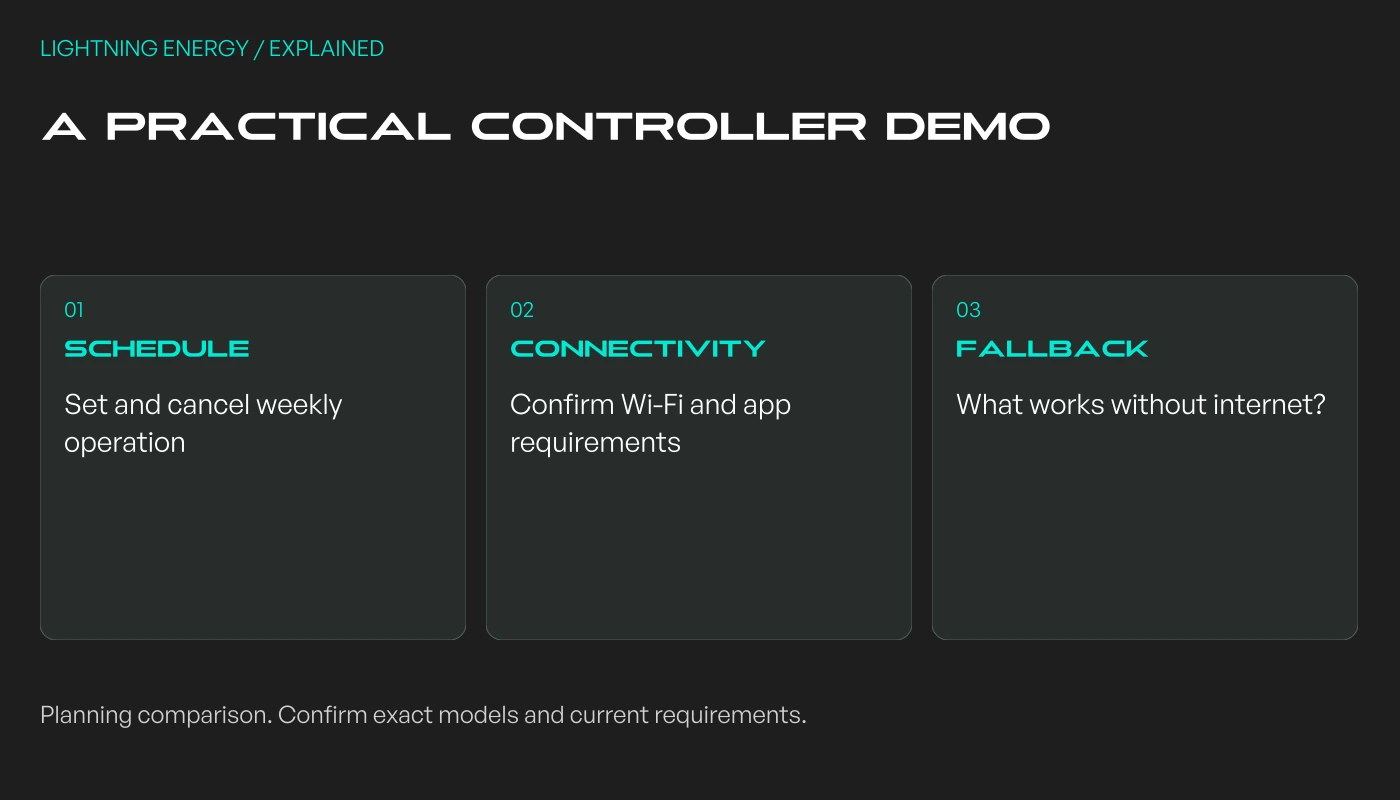
The Alira X family advertises built-in Wi-Fi, while Panasonic HZ uses Comfort Cloud connectivity. Confirm the supplied version, home-network requirements and functions available through the actual app and controller.
A useful demonstration is a weekly schedule, a temperature change and cancelling a timer. Ask what remains available from the handheld controller if the internet is unavailable.
If you have solar, scheduling can help align some operation with generation. It does not guarantee zero-cost heating; winter output, occupancy and the electricity tariff still determine the outcome.
Planning comparison. Confirm exact models and current requirements.
Keep air-treatment claims in proportion
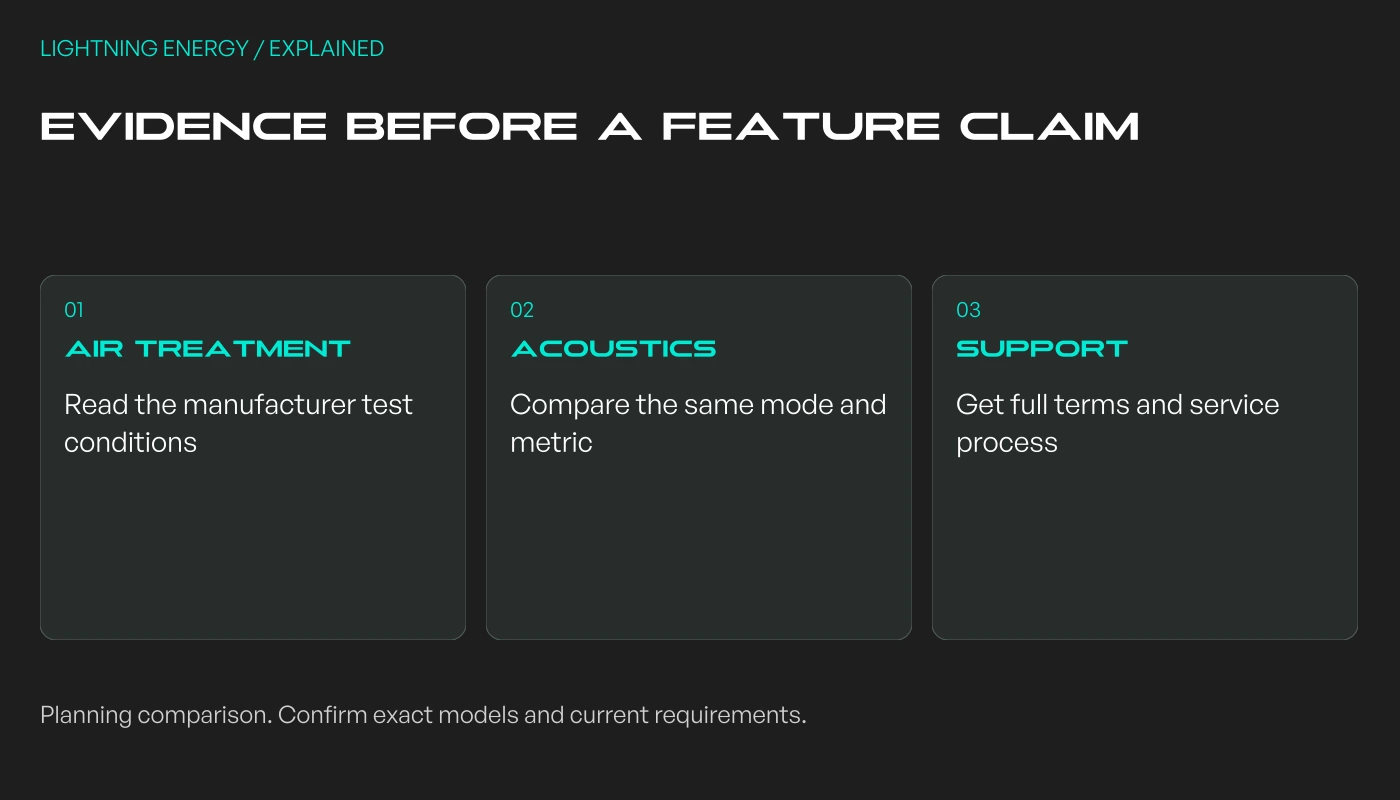
Daikin describes Streamer and filtration features; Panasonic describes nanoe X in its Australian HZ launch information. These are different technologies with manufacturer test conditions.
Do not convert a laboratory reduction percentage into a promise that a room is infection-free or that an appliance treats a medical condition. Ask which filter maintenance and cleaning tasks remain necessary.
For acoustics, request the same operating mode and fan setting for both systems. A quiet indoor setting, an outdoor sound figure and an energy-label sound-power value are not interchangeable comparisons.
Cabinet dimensions, clearances and airflow also matter in a bedroom. Have the installer show where air will travel and how the unit can be accessed for cleaning and service.
Planning comparison. Confirm exact models and current requirements.
Compare installed support, not just equipment features
Daikin's domestic warranty explanation describes five-year cover subject to its installation and warranty conditions. Panasonic's HZ flyer also advertises a five-year warranty; obtain the applicable full terms with the quote.
Ask who covers installation workmanship, how a service request is handled and whether difficult access adds cost. The headline number of years does not answer all three questions.
For a broader electrification plan, consider heat-pump hot water and any battery separately, using electrical demand rather than the air conditioner's thermal-output label.
Ask Lightning Energy for matched quotes with the exact models, current labels, controls and installation scope attached. That makes the choice reviewable without pretending that a feature list is a home performance test.
Book a consultation and we'll map solar, storage, hot water, and the rebates around your bills and your goals.
Loading consultations…
Lightning EnergyPlan your next energy upgrade.
⚡
Hi, I’m Lightning Energy’s project guide. I’ll ask a few practical questions, explain what usually matters for your project, and help you decide on a useful next step — no guesswork or sales pressure.
First, what kind of property are we planning for?