
Transmission Costs and Household Electricity Bills
How network investment reaches retail bills, and which costs households can influence through energy use and generation.
How network investment reaches retail bills, and which costs households can influence through energy use and generation.
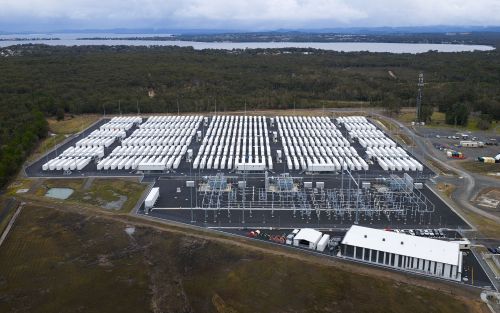
Transmission infrastructure moves electricity between generators, regions and major demand centres. Its costs form part of the wider electricity supply chain, but they are not a simple one-for-one addition to every household’s next bill.
Households can participate in planning consultations, but cannot choose individual network projects through a retail electricity plan. Network costs are one component of a bill; project approvals, regulation and tariff design determine how those costs are recovered.
Low wholesale prices during a sunny afternoon do not describe every part of a retail bill. Network investment and its recovery through regulated arrangements operate over longer periods.
Transmission and distribution move electricity between generators and consumers. Their costs are assessed separately from the wholesale price of energy, so a change in one does not imply the same change in the other.
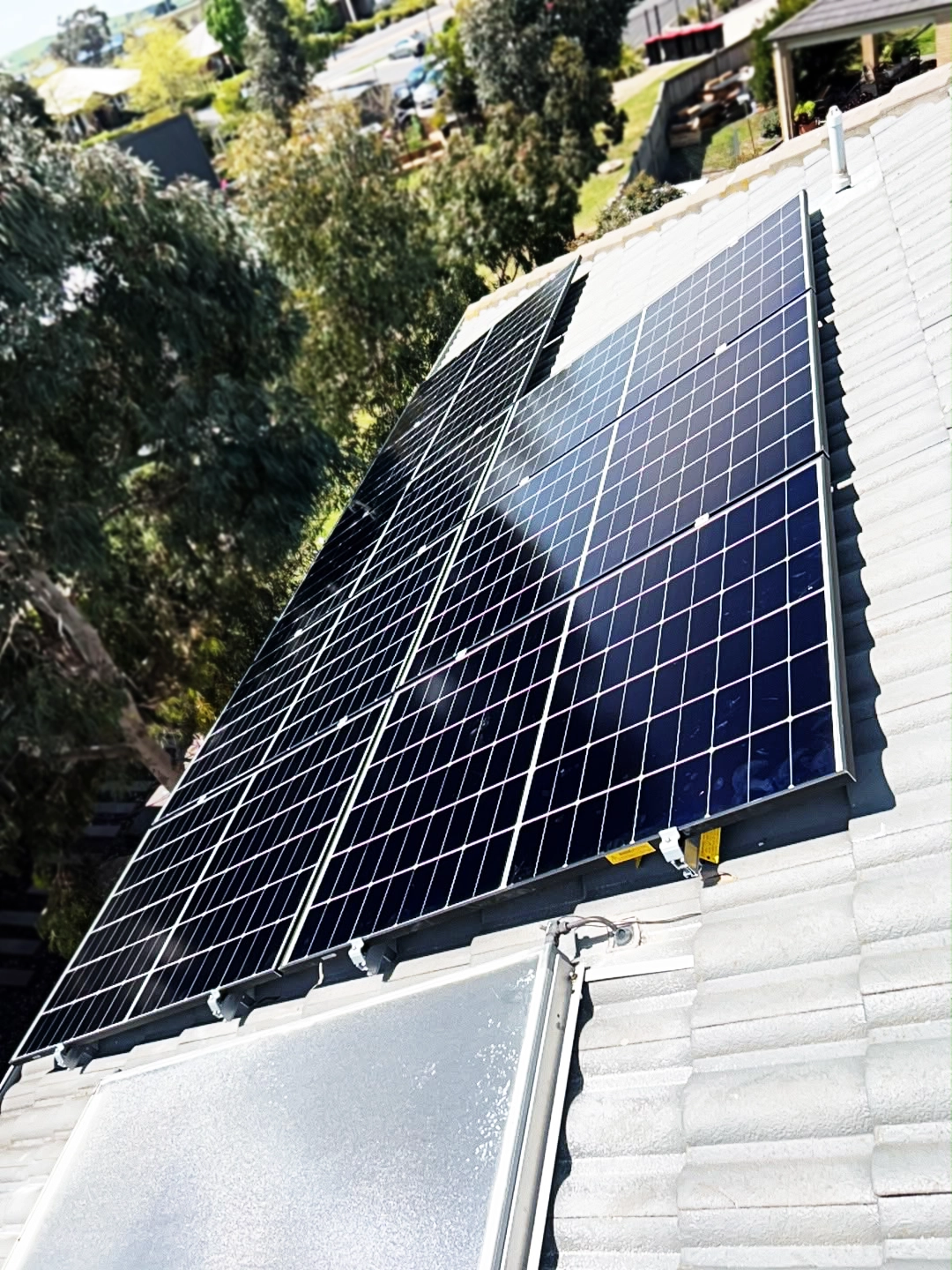
At home, examine the timing of electricity use and which costs a proposed upgrade can actually change.
Separate fixed and variable charges when comparing household options. Solar and storage may reduce some variable costs, but do not automatically remove the fixed cost of remaining connected.
Use your tariff, electricity-use data and the proposed system cost to assess the household decision. Network news provides context but does not replace that calculation.
The Australian Energy Regulator uses wholesale, network, environmental and retail cost components when setting Default Market Offer caps in the regions covered by that offer. A retail bill therefore reflects more than the current wholesale spot price.
The allocation and timing of network costs depend on regulated arrangements and the retail product. A headline project cost cannot be divided by households to produce a reliable personal bill estimate.
Using solar at home can reduce the electricity imported under your tariff. It does not automatically remove the daily supply charge or other fixed costs of remaining connected.
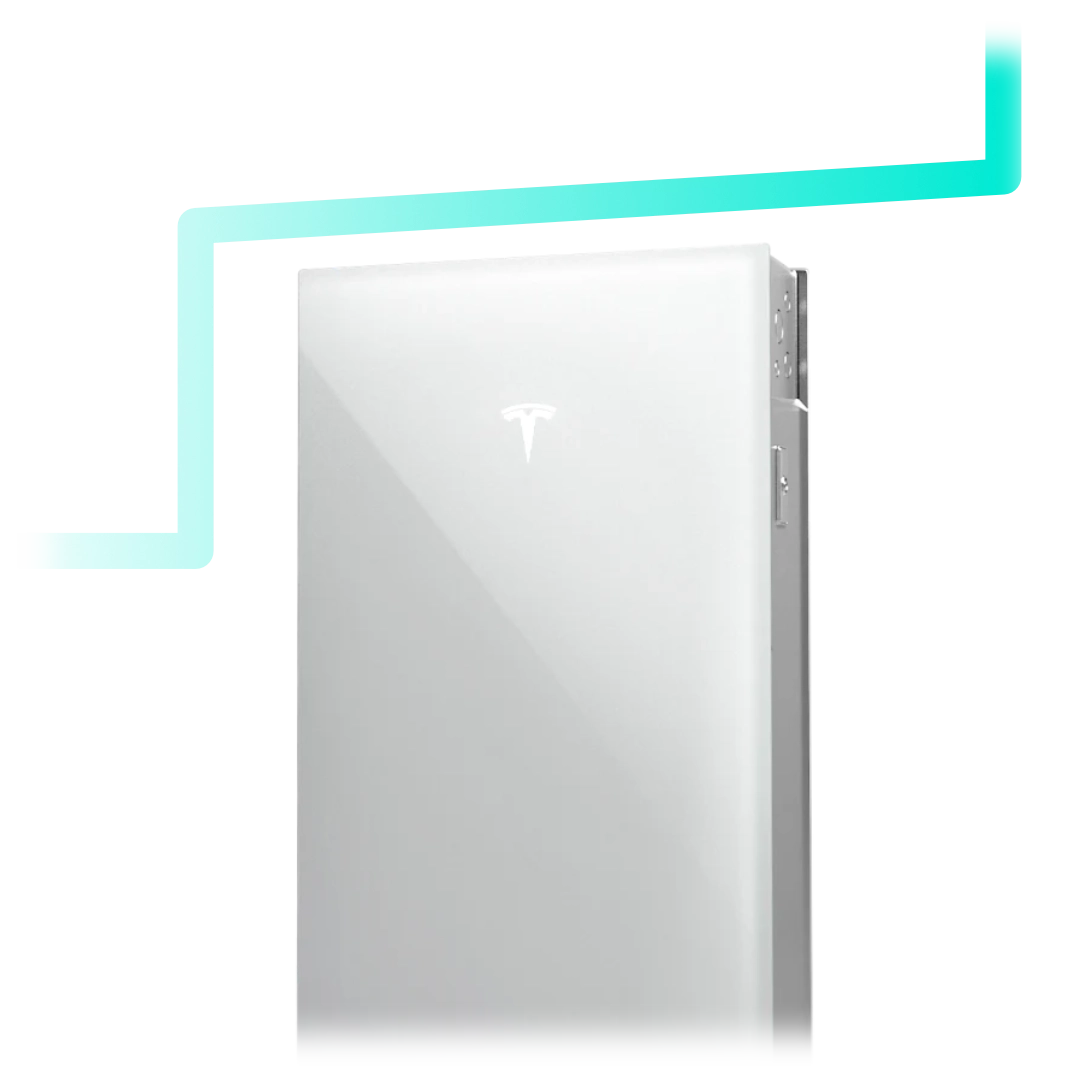
A battery may shift some imports away from more expensive periods, but its value needs to be compared with its installed cost, losses and operating conditions. If a larger share of the bill is fixed, there may be less variable spending available to avoid.
Contact Lightning Energy to discuss the options for your property and electricity use.
Available times
Book a consultation and we'll map solar, storage, hot water, and the rebates around your bills and your goals.
Question 1 of 6