
GoodWe ESA in Australia: Configuration and Installation Questions
Questions about the exact ESA configuration, capacity, backup design and Australian warranty before comparing quotes.
Questions about the exact ESA configuration, capacity, backup design and Australian warranty before comparing quotes.
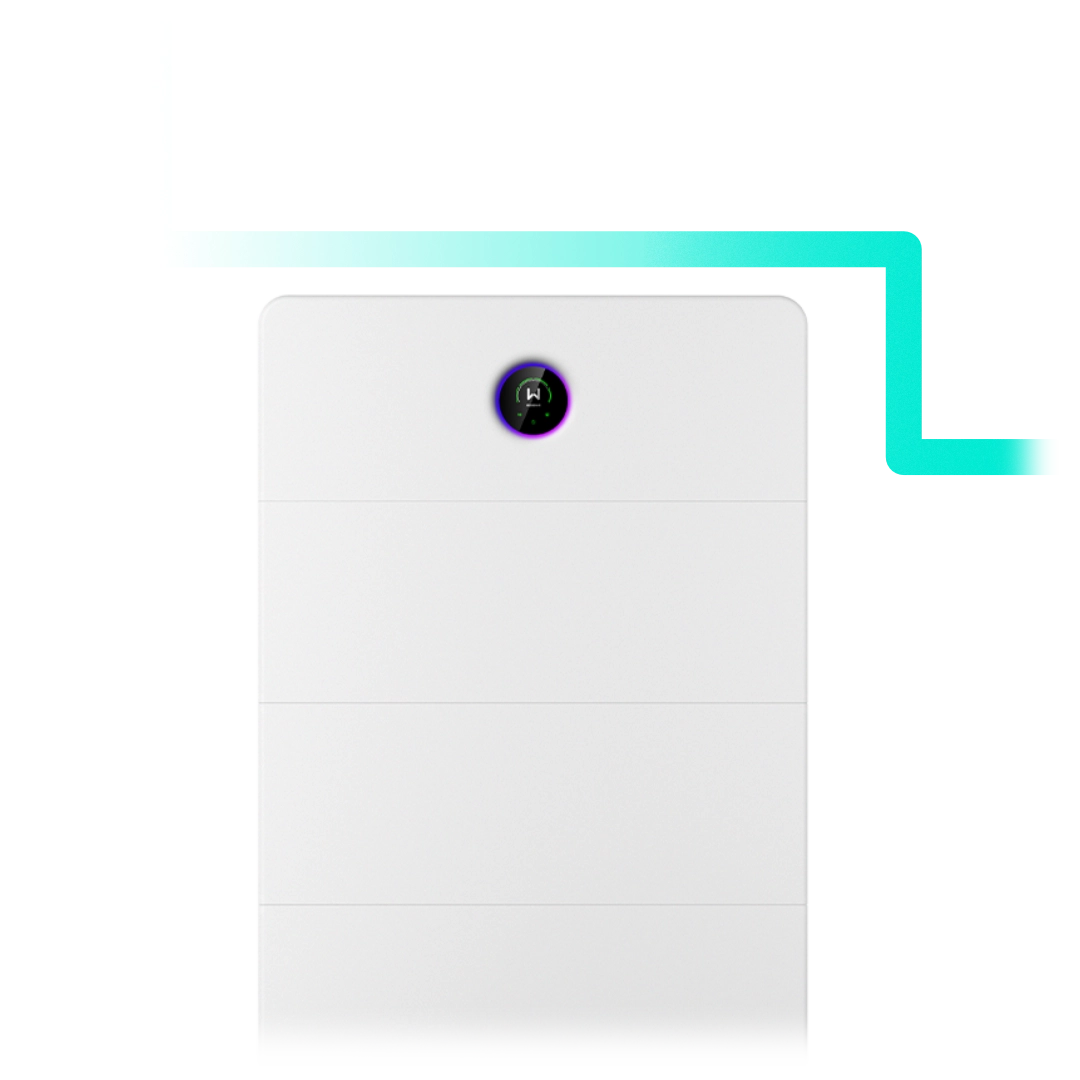
GoodWe ESA should be assessed as a configured energy-storage system. The exact controller and battery modules determine the equipment on the quote; one capacity or output figure cannot describe every ESA arrangement.
A brand discussion is most useful when it explains the exact system and support arrangements. Compare ESA with alternatives using the same household requirements.
A hybrid solar-and-storage proposal should identify the inverter, compatible battery equipment, monitoring and electrical work. Evaluate the GoodWe ESA configuration against the same requirements used for the alternatives.
Verify capacity, backup operation and compatibility against current Australian documentation for the exact ESA configuration.
An ESA configuration may suit some projects while a different architecture suits others. Ask the designer to explain the choice in terms of loads, existing equipment, cost and service.
Select the arrangement that meets your requirements at an acceptable installed cost, with clear support responsibilities.
Compare the complete installation.
GoodWe Australia’s ESA information describes a modular system combining solar conversion and storage. Ask for the controller model, battery-module generation, usable capacity and phase arrangement in writing.
That equipment list should be checked against the current Australian documentation and the site’s approved connection conditions.
Capacity determines how much energy is available. Output determines how quickly the system can supply it. A household with long, modest evening demand may need a different arrangement from one with several large simultaneous loads.
Have the designer explain both figures using your actual appliances and usage. If backup is proposed, ask for its output limit and protected circuits separately from the normal grid-connected operation.
Ask for two supported ESA configurations using the same backup circuits and household data. Have the installer explain whether the difference is additional stored energy, additional output or both. Then compare the additional installed cost with the extra energy the household is likely to use.
If a second stage is proposed for the future, record its compatibility requirements and the electrical provisions included now. Confirm that the physical location allows access and servicing for the arrangement being discussed. These details matter more than assuming every modular cabinet can expand in the same way.
Contact Lightning Energy to discuss the options for your property and electricity use.
Available times
Book a consultation and we'll map solar, storage, hot water, and the rebates around your bills and your goals.
Question 1 of 6