
GoodWe vs FoxESS Batteries: Compatibility, Capacity and Support
A useful battery comparison explains the exact equipment, sizing and warranty behind each installed quote.
A useful battery comparison explains the exact equipment, sizing and warranty behind each installed quote.
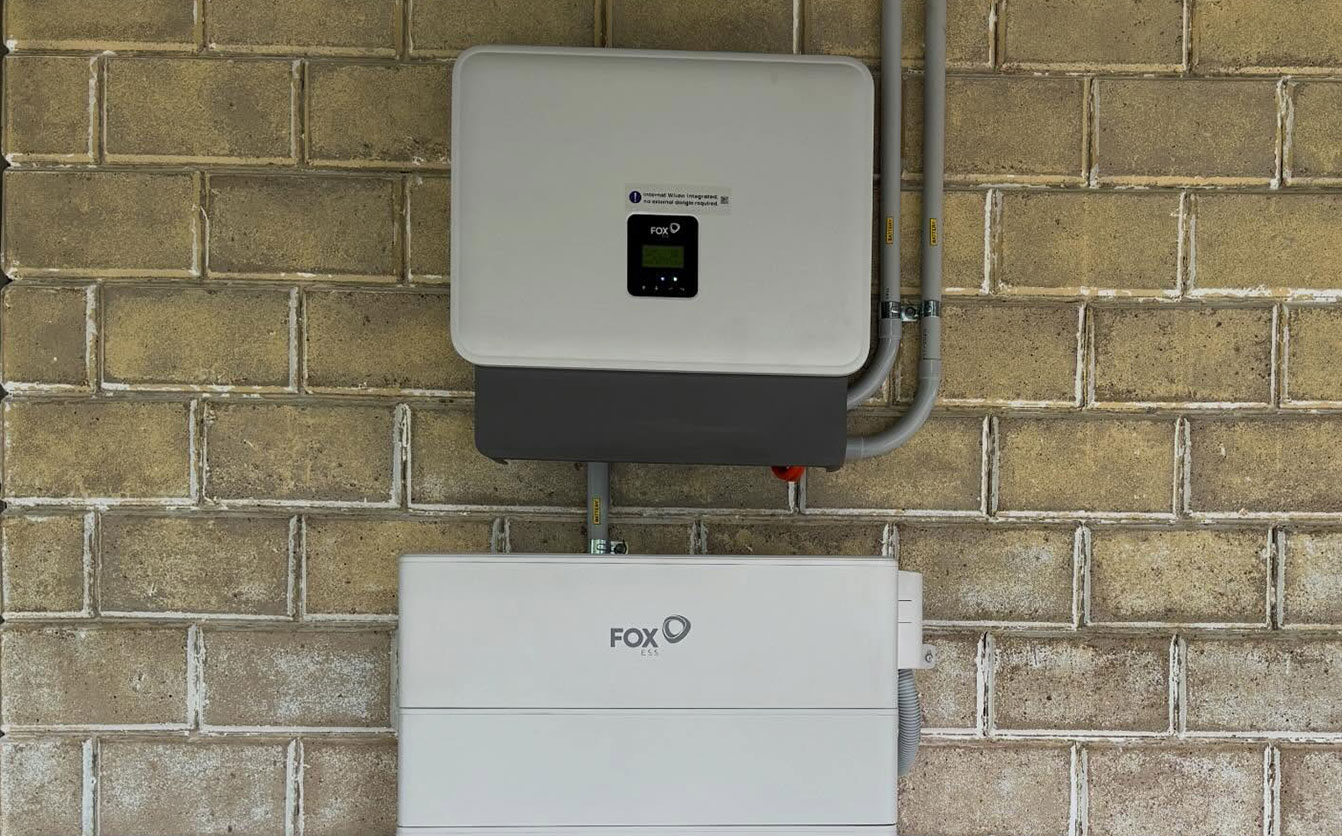
A useful GoodWe versus FoxESS comparison starts with the exact models. Both names cover product families, and a battery module alone is not the same purchase as a complete system with its inverter, controls and backup equipment.
A suitable system meets the household brief without charging for features that will not be used.
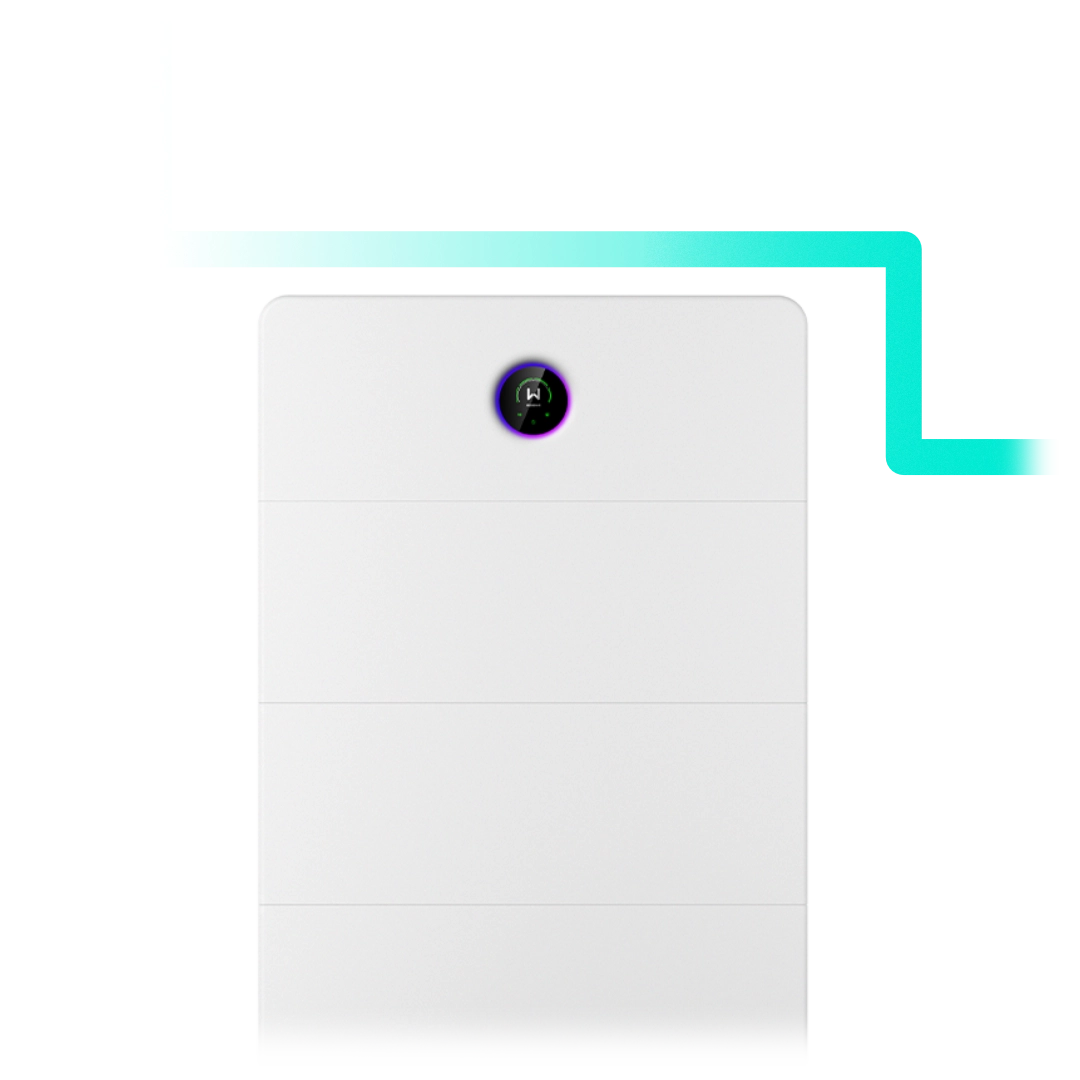
Verify capacity, backup operation and compatibility using current Australian documentation for the exact model combination.
Both product families can be assessed on the equipment and installation proposed for the home.
Resolve missing design or support information before selecting the lower-priced proposal.
Future expansion can be useful when new loads are likely. Ask what the option costs now and what additional work it could require later, then weigh that against the likelihood of using it.
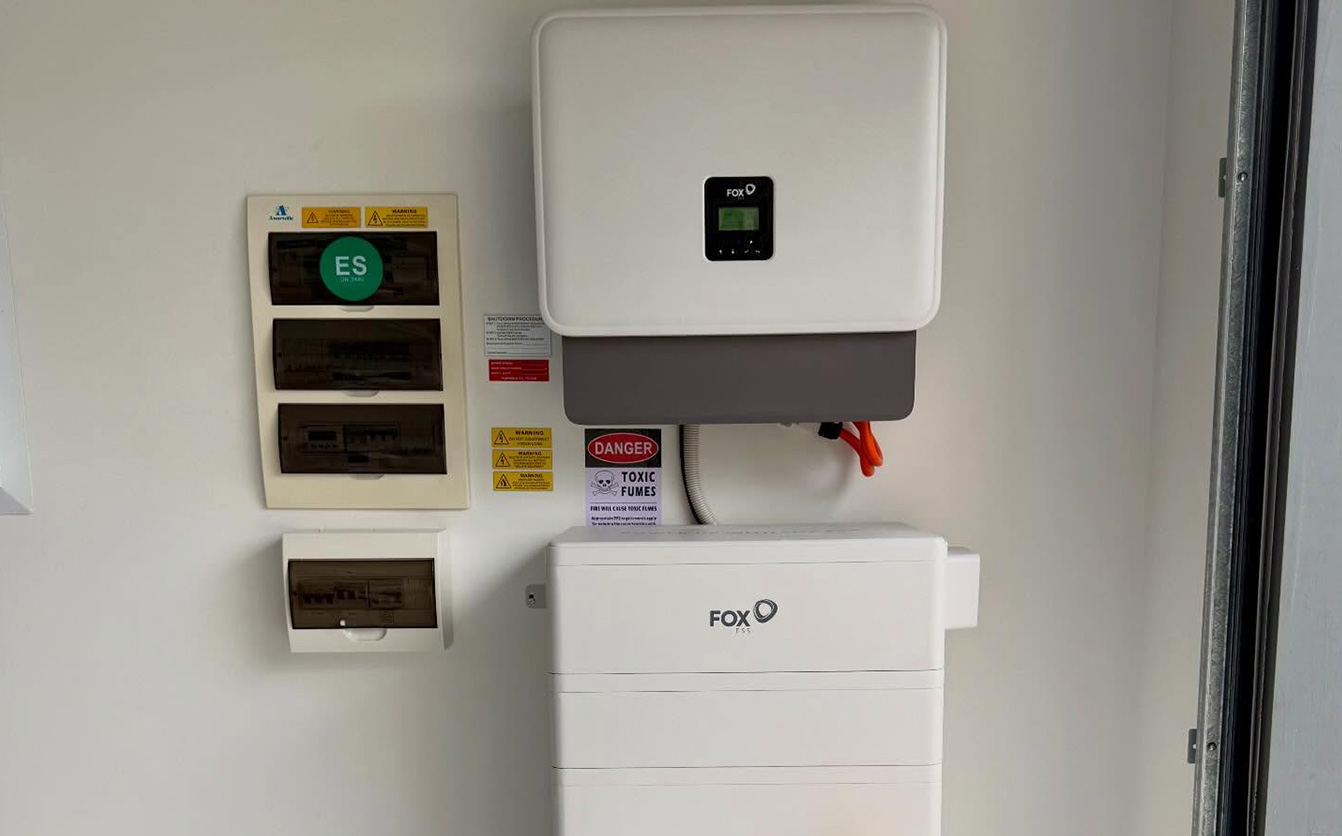
If GoodWe and FoxESS are shortlisted, compare the complete equipment and installation proposals using your bills and roof details.
Ask each installer for a bill of materials and the matching Australian documentation. It should identify the battery modules, inverter or controller, metering and any gateway or backup components.
Compare usable capacity and continuous output separately. Confirm whether the quoted arrangement is single-phase or three-phase, how it works with existing solar and which circuits are included in backup.
Ask each installer to describe a sunny day with low daytime usage, a cloudy day with high evening demand and a blackout affecting your priority circuits. Record when the battery charges, which loads it supplies and what happens at its reserve limit. These are design questions, not a request for a guaranteed daily saving.
If the two explanations differ, identify whether that comes from battery capacity, inverter output, backup equipment or chosen settings. Then compare the cost of the feature you actually need. A modular system may offer additional configurations, but future expansion should be documented for the selected equipment rather than assumed from the brand name.
Contact Lightning Energy to discuss the options for your property and electricity use.
Available times
Book a consultation and we'll map solar, storage, hot water, and the rebates around your bills and your goals.
Question 1 of 6