
Reported Battery Rebate Misconduct: What Homeowners Can Verify
What reported complaints do—and do not—prove when assessing a battery quote or completed installation.
What reported complaints do—and do not—prove when assessing a battery quote or completed installation.
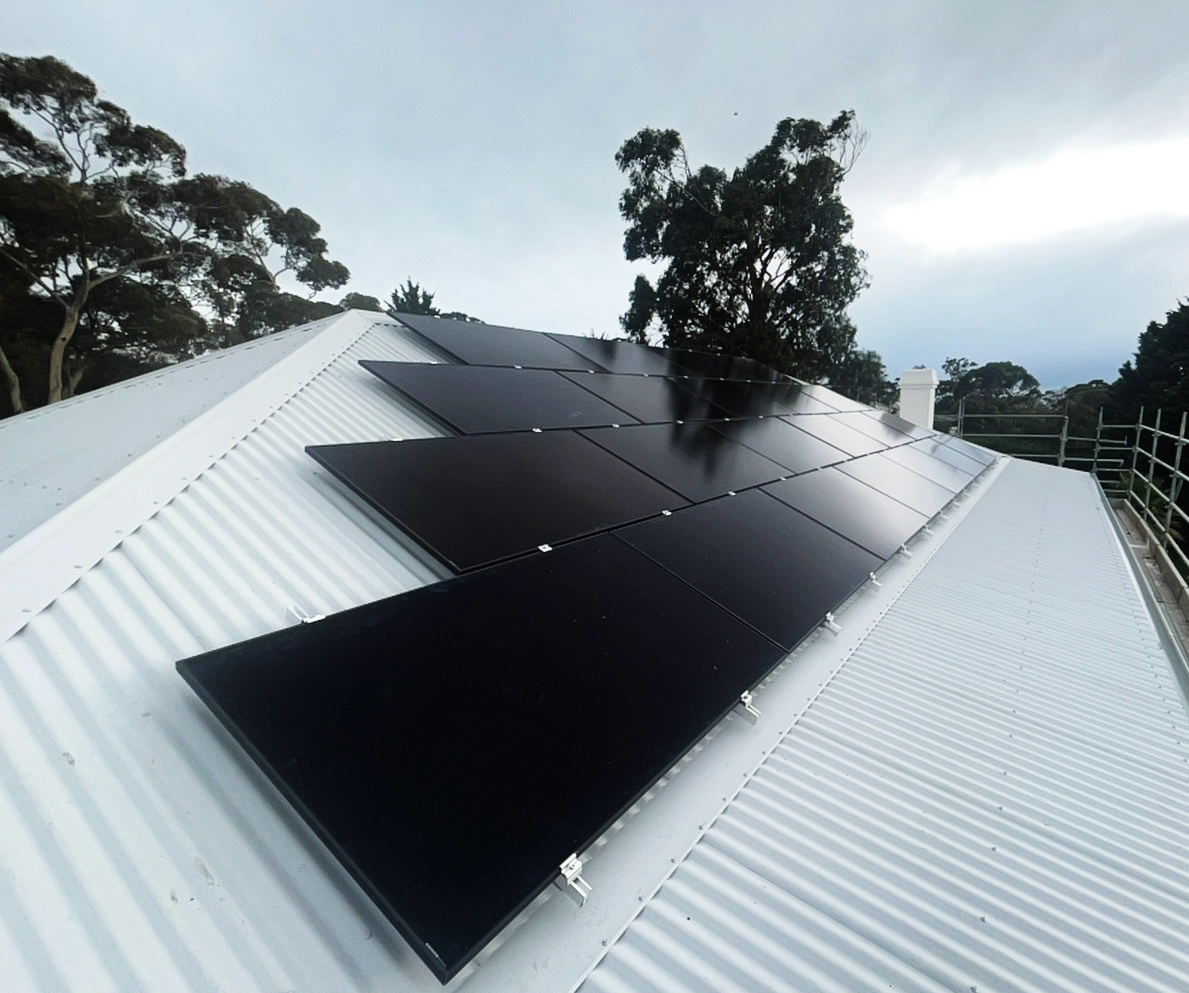
Reports of battery-rebate misconduct are a reason to check the evidence and your own paperwork carefully. They are not proof that every low-cost quote is improper, or that every complaint has been substantiated.
This article focuses on what a homeowner can verify after a battery installation, rather than repeating unverified allegation counts from news coverage.
Compare the invoice and equipment list with the installation and handover records. Confirm the model and serial numbers, monitoring access and any backup circuits that were part of the contract.
If something differs, ask for a written explanation. A substituted model or delayed component needs to be understood and documented; it should not be silently treated as the original scope.

Save dated photographs you can take safely, messages, alerts and the documents provided. Describe what you observed and what was promised. Avoid making a public accusation that goes beyond the evidence you hold.
Do not alter electrical equipment to investigate a concern. A licensed professional should assess technical or safety issues.
Start with the responsible supplier and the applicable complaint process. The ACCC’s guidance explains consumer guarantees and the difference between reporting a broader concern and resolving an individual dispute. State consumer agencies and electrical-safety authorities may be relevant depending on the issue.
Contact Lightning Energy to discuss the options for your property and electricity use.
Available times
Book a consultation and we'll map solar, storage, hot water, and the rebates around your bills and your goals.
Question 1 of 6