Solar

Intergenerational Report: Electrifying Could Cut Household Energy Costs by 2050 — What’s Real for Homeowners Now

IGR (via News.com.au): household energy could fall ~$4,300/yr by 2050 and up to ~40% with solar, batteries, EVs. What’s real for Australian homeowners now — not the press release.

Luke CoveLightning Energy20 September 2026 · 7 min read

Australia — Here's what just hit the economics desk. Ahead of Monday’s Intergenerational Report at the Australian National University, News.com.au reports Treasury framing that household energy costs — including petrol and gas — could fall by as much as **~$4,300 a year by 2050** as homes electrify. Rooftop solar, household batteries, electric vehicles and appliances are framed as cutting average household energy expenditure by **up to ~40%**.

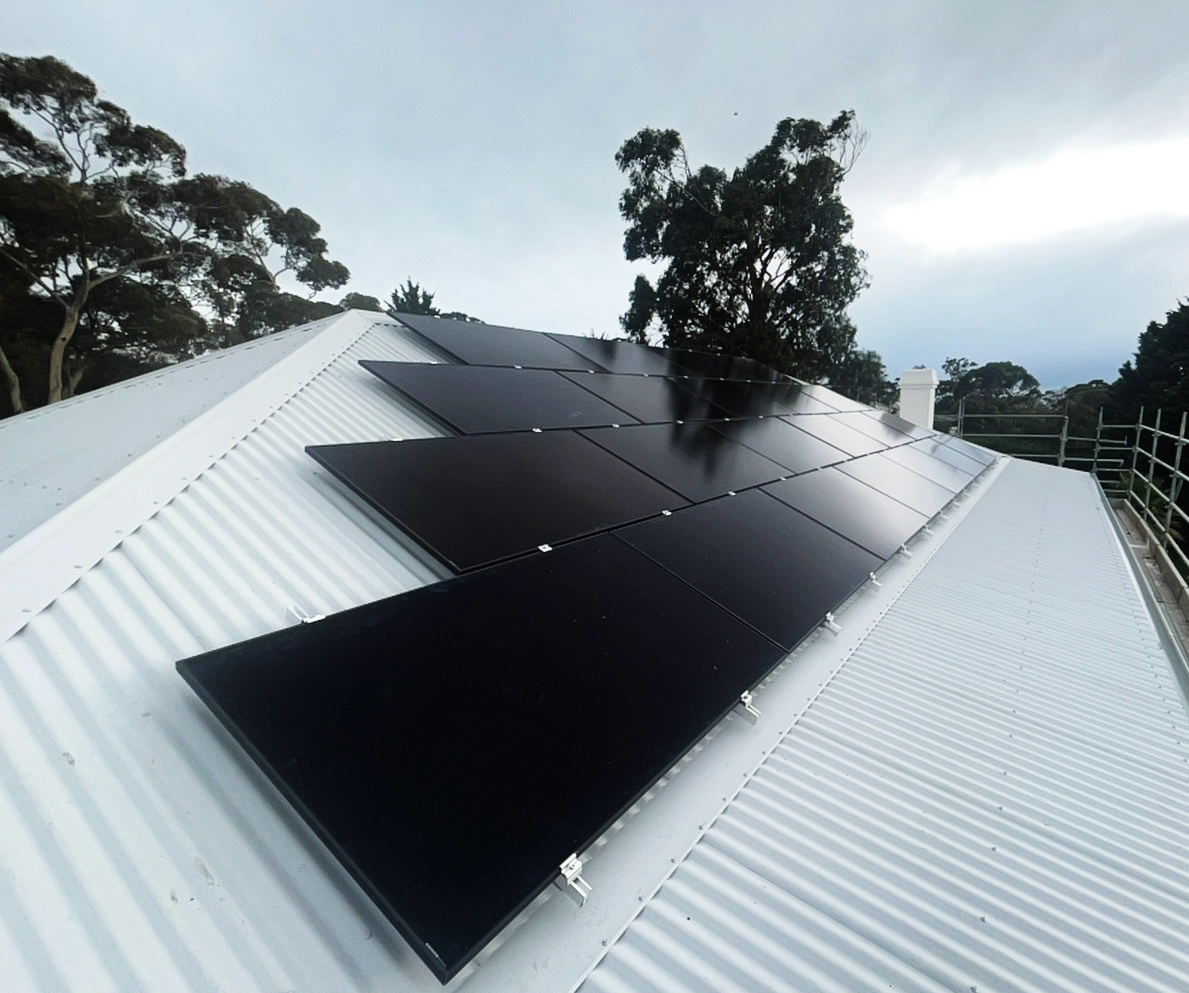
Did you know more than **30% of Australians already have rooftop solar**? The report path is not science fiction — it is reverse-cycle air conditioning instead of gas or wood heaters, heat-pump or solar hot water instead of gas HWS, induction instead of gas cooktops, and an EV charged from home solar. The catch the article flags clearly: those big savings **depend on households having the money to invest** in solar and batteries.

You are the hero of this story — not the Treasurer’s slide deck. Stake your claim on independence at your meter **now**. Do not wait for a 2050 press release to decide whether dinner-time power still answers to you.

Source: Samantha Maiden / news.com.au, 19 Sep 2026 (IGR due Monday — ANU / Chalmers).

Intergenerational Report electrify home energy costs 2050 EV rooftop solar Australia

What the IGR preview actually claims (label as report)

Per News.com.au’s read-ahead of the Intergenerational Report to be released Monday by Treasurer Jim Chalmers at ANU:

- Household energy prices **including petrol and gas** could tumble by as much as **~$4,300 a year by 2050** (report framing). - Rooftop solar, household batteries, EVs and appliances are expected to slash average household energy expenditure by **up to ~40%** (report). - Annual household energy costs could decline by **~40% between 2030 and 2050 in real terms** if households electrify at the rate projected by the Australian Energy Market Operator (AEMO) — again, report projection, not a guarantee for your postcode. - Some experts believe Australians could collectively save up to **~$680 billion** on home energy costs by 2050, and **~$1.7 trillion** if they electrify their cars (experts / report framing — treat as national-scale modelling, not your personal rebate cheque).

Those figures are **government and report claims** as reported by News.com.au. They are not inventing a new retail quote for your roof tonight. Your bill still turns on tariffs, load, export rules and whether you can actually fund the stack.

Short heat: the IGR paints a cheaper electrified future. The homeowner question is whether you own the stack that makes those averages real at your meter.

The electrify path — appliances first, then the driveway

News.com.au lists the swaps the report expects:

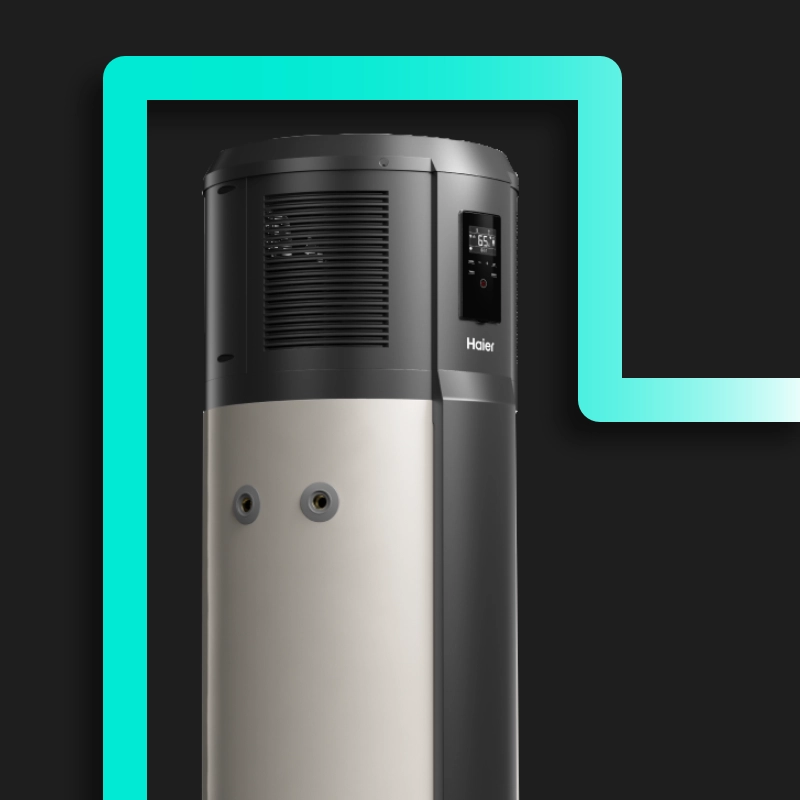
| From | To (report path) | | --- | --- | | Gas or wood heaters | Reverse-cycle air conditioning (RCAC) | | Gas hot water | Heat-pump or solar hot water | | Gas cooktop | Induction | | Petrol / diesel car | EV charged via home solar |

That is the **home electrification** stack in plain English — heat, hot water, cooking, then transport — sized to how you actually live. For the Australian homeowner walkthrough of solar + battery + heat pump + EV as one play, see home electrification Australia — solar, battery, heat pump, EV.

None of those swaps magically cut petrol and gas overnight if midday solar still exports while you buy evening power. The meter cares when you **use** the electrons.

Up to 40 percent household energy spend cut electrify path RCAC heat pump EV report framing

Already happening — and already uneven

The article is clear the transition is not only a 2050 story. Per News.com.au / IGR framing:

- Renewable energy and electrification are **already** putting downward pressure on energy costs for households and businesses and reducing exposure to volatile global fossil-fuel markets (report claim). - **More than 30%** of Australians have already installed rooftop solar. - Households that are **fully electric with solar and a battery** can already save an estimated **~$1,630 every year** on energy bills (report estimate). - Add an electrified car and the report’s total energy savings framing rises to **up to ~$4,100 every year** (report estimate — label carefully; not a personal quote).

Those “already” numbers matter more than the 2050 headline for anyone reading this on a Sunday morning. They also expose the equity line the piece flags: big savings **depend on having capital** to invest in solar and batteries. A national average does not install your inverter.

If panels alone feel cheap enough that the hard questions moved past module price, you are not alone — see cheap solar panels, grid strain, and what homeowners should do. Cheap generation without evening control still leaves the dinner peak on the grid’s terms.

Chalmers and Bowen — opportunity language, household budgets

Treasurer Jim Chalmers, as quoted by News.com.au:

> “The transformation to cleaner and cheaper energy is a golden economic opportunity for Australia and the Intergenerational Report shows us why.”

> “With cheaper and more reliable energy in the system, Australians will pay less for power in the future and we see that in the IGR’s analysis.”

> “We’re unlocking investment in cleaner and cheaper energy because we know it’s one of the best ways to help with the cost of living – making our energy grid more reliable and power less expensive for families and businesses.”

Energy Minister Chris Bowen, also via News.com.au:

> “The choices we make now on renewables, storage and electrification will shape household budgets for decades, with average annual energy costs expected to fall substantially as Australians use less petrol and gas.”

> “For the next generation of Australians, cleaner energy can mean thousands of dollars less spent each year on powering their homes and getting around.”

> “That’s why we’re helping more households access cheaper, cleaner energy, including through record rooftop solar uptake and our Cheaper Home Batteries program.”

> “That is why we are investing now in the energy system Australians will rely on in 2030, 2040 and 2050, with more renewables, more storage and more opportunities for households to electrify.”

Political framing is fine as context. Your job is still local: own the hours that decide the bill. The duck curve does not care about a Monday ANU release — evenings still spike when solar falls away; see duck curve Australia — evening peak.

Soft CTA — Cheaper Home Batteries (eligible households only)

Bowen’s quote points at the federal **Cheaper Home Batteries** program. When you are eligible, support can take **around / up to ~30%** off an eligible home battery system. Eligibility depends on property and current rules. Do **not** invent dollar savings beyond the report figures cited above.

For who actually wins on the rebate math — discount, not free lunch — read federal home battery rebate Australia — who wins.

The adult stack remains: rooftop solar sized to **your** load and export rules, a compliant **home battery** that shifts midday sun into the dinner window, then heat-pump / induction / EV when the capital and wiring are ready. Design for use — not for a 2050 average on a Treasury chart.

Rooftop solar home battery EV charge evening independence use your sun

Stake your claim now — not on the 2050 average

The IGR preview (via News.com.au / Samantha Maiden, 19 Sep 2026) says household energy including petrol and gas could fall by as much as **~$4,300 a year by 2050**, with rooftop solar, batteries, EVs and appliances cutting average expenditure by **up to ~40%**, and real-terms costs possibly down **~40% from 2030–2050** if electrification tracks AEMO’s projected rate. Experts’ collective figures of up to **~$680 billion** (home energy) and **~$1.7 trillion** (with cars) are national-scale claims. Fully electric + solar + battery is already framed at roughly **~$1,630/year**, rising to **up to ~$4,100/year** with an EV — all **report estimates**.

You do not need to wait for Monday’s ANU stage — or for 2050 — to decide whether your heater, hot water, cooktop and driveway still buy fossil volatility. Invest in your independence where the meter still answers to you. Stake your claim on the stack you can fund and use: solar that serves your load, storage for the evening peak, then the appliance and EV path when you are ready.

Available times

Ready to talk about your own home?

Book a consultation and we'll map solar, storage, hot water, and the rebates around your bills and your goals.