
Across Bass Strait: Why Marinus Link Matters to Australian Electricity
An electricity cable does not generate power. It changes where power can travel, and that distinction explains why Marinus Link matters.
An electricity cable does not generate power. It changes where power can travel, and that distinction explains why Marinus Link matters.

An electricity cable does not generate power. It changes where power can travel, and that distinction explains why Marinus Link matters.
The project connects the Tasmanian and Victorian electricity systems and is moving further into construction.
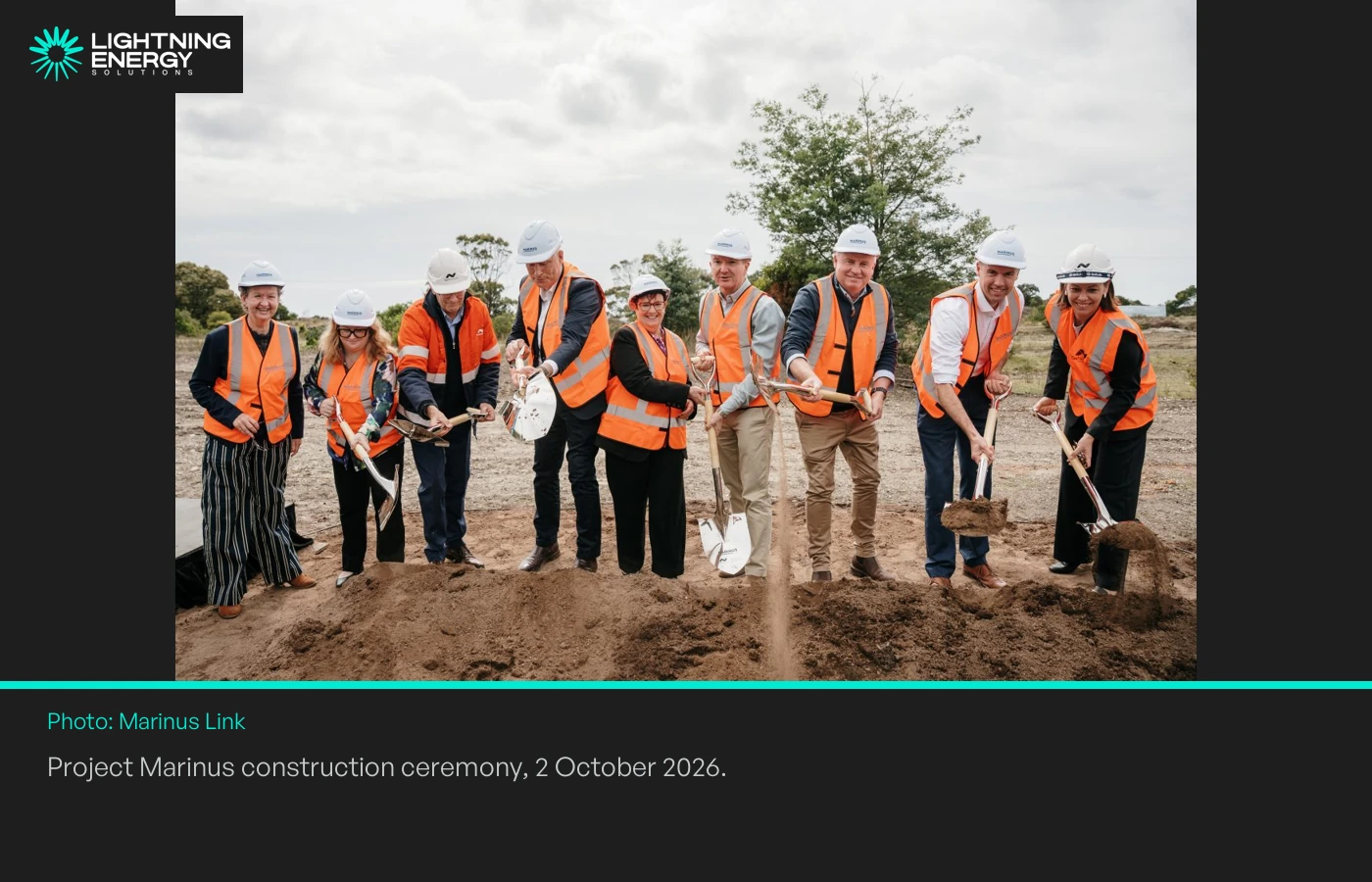
The 2 October construction ceremony, reported again on 6 October, is a useful moment to look beyond the photo opportunity. What does an interconnector do, and what can it reasonably promise households?
Source: Marinus Link's project update.
Marinus Link's project update describes construction activity increasing across Tasmania and Victoria after financial close and earlier approvals.
Project Marinus includes both Marinus Link and the North West Transmission Developments. Work is progressing on the Tasmanian network, while cable, converter and Victorian route activities are ramping up.
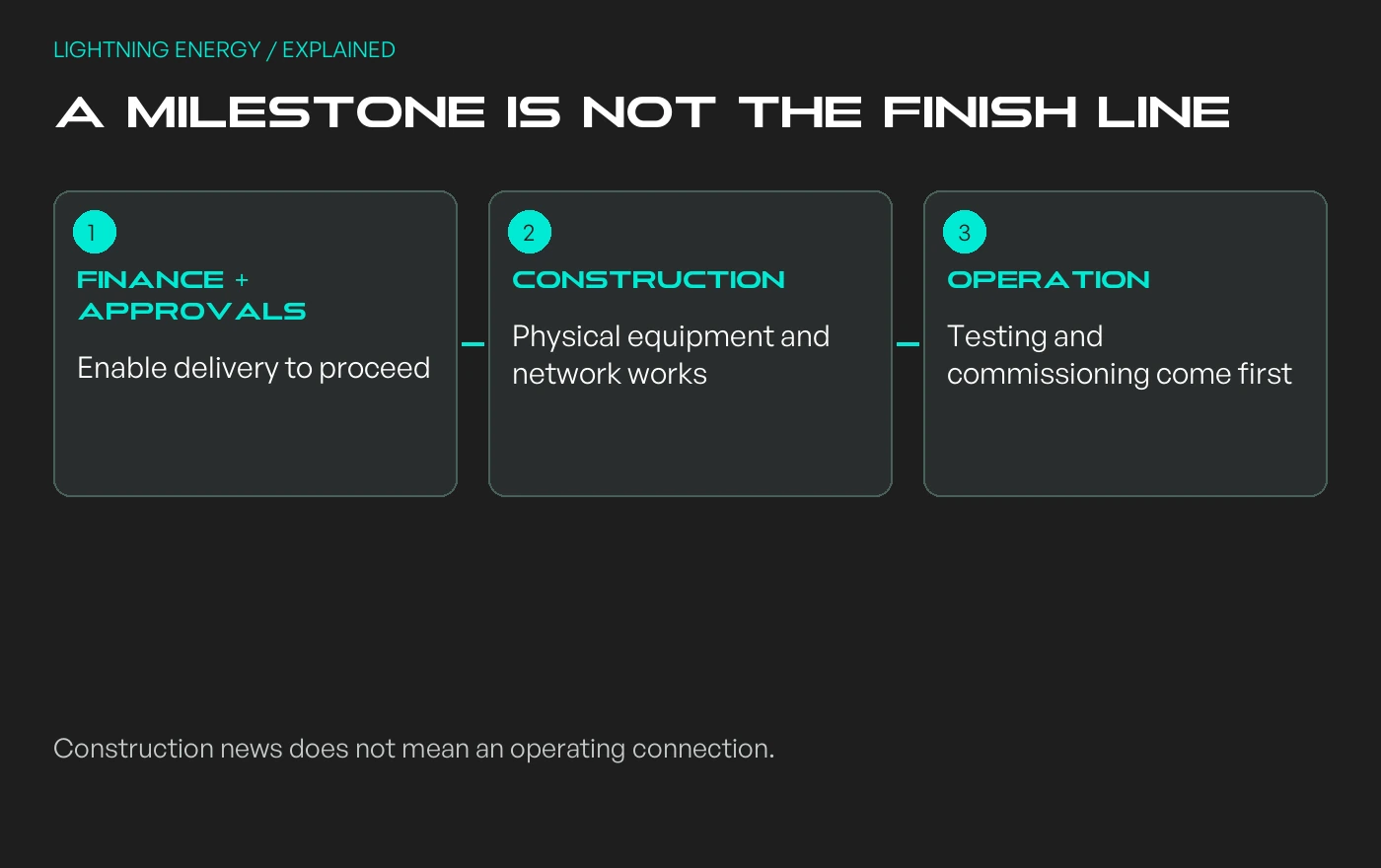
This is construction progress, not a statement that the new connection is already supplying homes. I would keep that distinction visible whenever a project is described as being launched, approved or switched on.
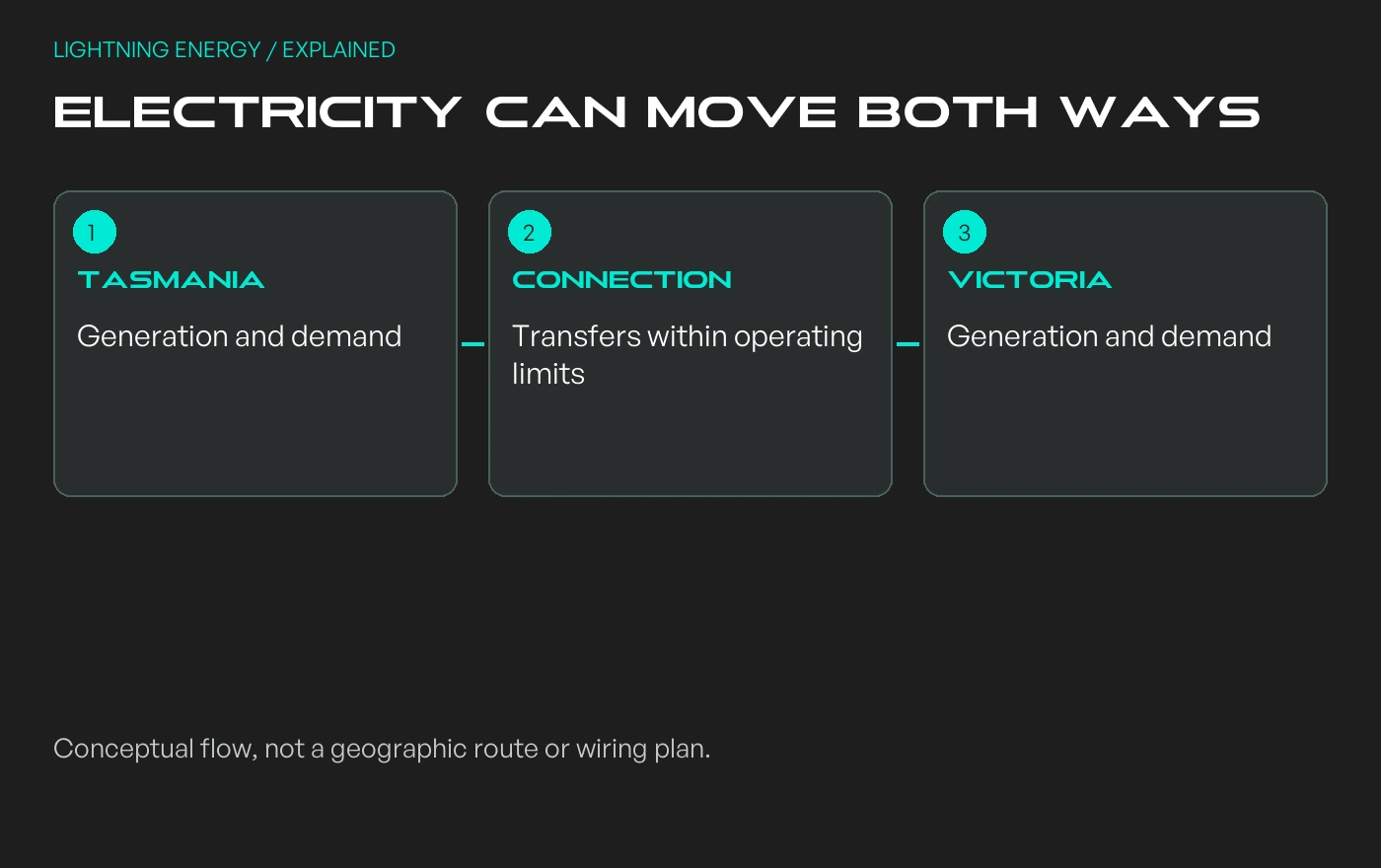
A two-way interconnector can move electricity in either direction, subject to available capacity, operating conditions and market dispatch. That gives connected regions more ways to meet demand.
For example, one region may have plentiful wind or sunshine while another has higher demand. Hydro resources can also offer flexibility, within their physical and environmental constraints.
The direction of trade need not stay the same all day.
The project overview explains the development. The household lesson is that a reliable renewable system involves moving electricity as well as generating and storing it.
More network capacity can make additional supply accessible. It also costs money to build and operate. The useful debate is about total system value, alternatives, delivery risk and how costs are recovered.
A project benefit estimate is not a guaranteed dollar reduction on your next bill. Retail prices also include network charges, other market costs and the terms of your particular plan.
I would be wary of either extreme: calling every cable unnecessary because homes have solar, or assuming a new connection solves every local problem. Transmission and household equipment do different jobs.
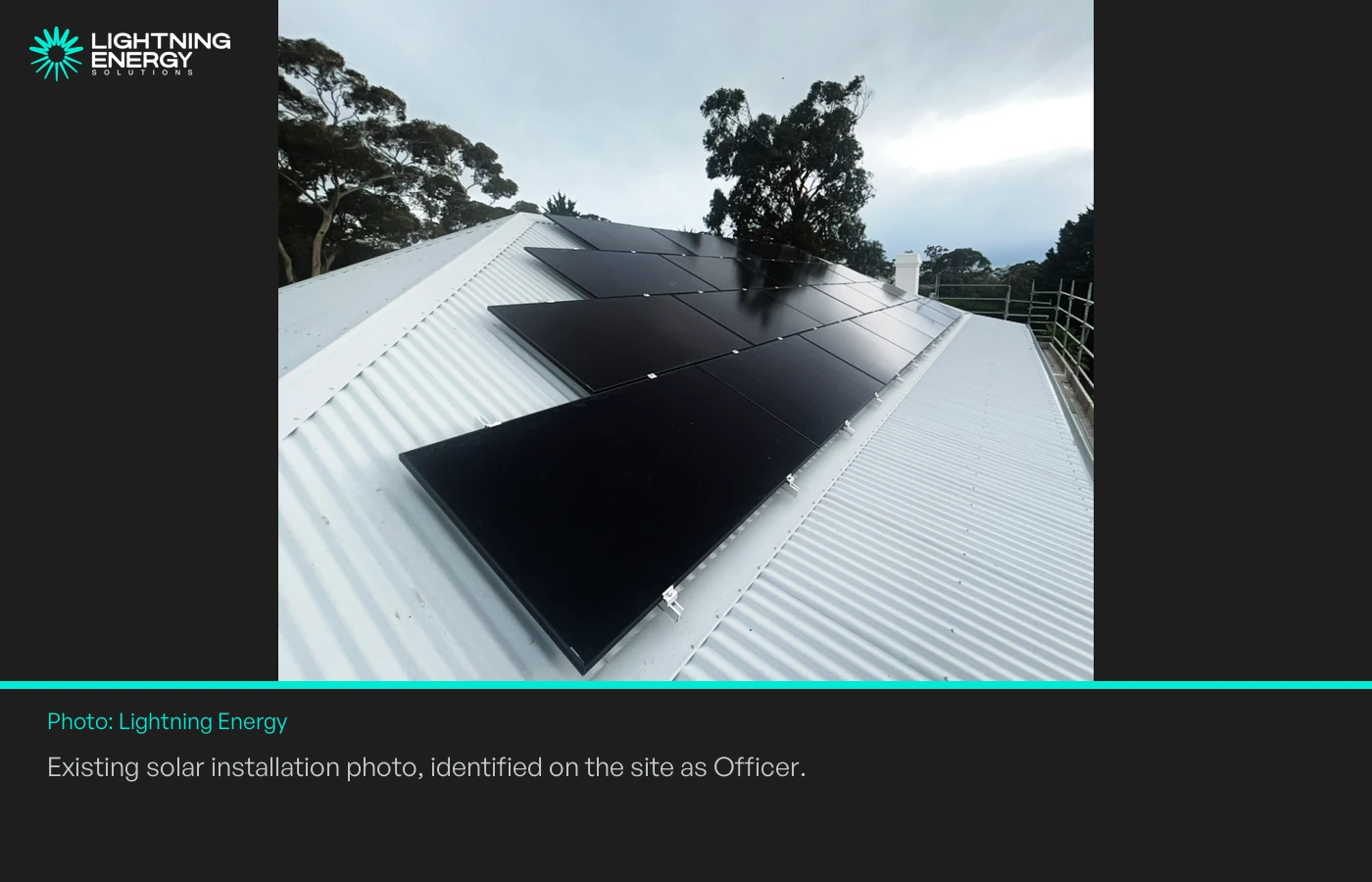
A fault in your street can still interrupt electricity even when the wider grid has ample supply. If outage resilience matters, assess battery backup around the specific circuits and runtime you need.
Similarly, a new EV charger should be designed for the property's supply and charging pattern. An interstate project does not expand the electrical capacity of your own switchboard.
My recommendation is to separate the national story from the property decision. Follow construction progress as infrastructure news; use your bills, roof, equipment and future plans to decide which upgrades make sense now.
Research checked 6 October 2026. Project plans and policy timelines may change. The linked sources distinguish announcements, proposals and operating results.
Available times
Book a consultation and we'll map solar, storage, hot water, and the rebates around your bills and your goals.
Question 1 of 6