
Powerwall 3 Expansion in Australia: Adding Capacity to an Existing System
When additional stored energy may help, and why an Expansion unit does not necessarily increase output power.
When additional stored energy may help, and why an Expansion unit does not necessarily increase output power.
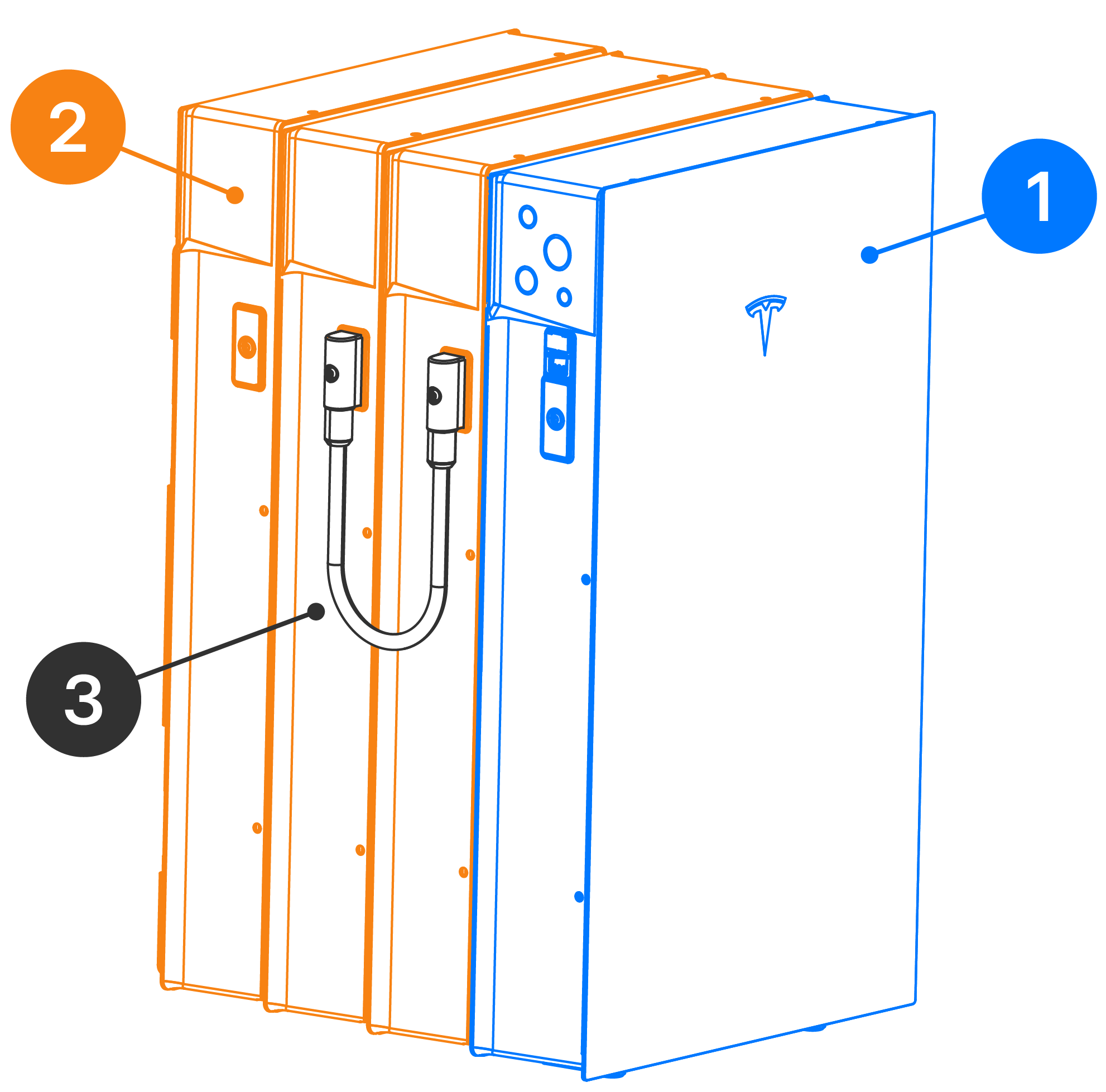
Adding storage capacity may help when a battery regularly runs out before the household’s evening and overnight use is complete. It may not solve a problem caused by insufficient output power, limited solar charging or unsuitable control settings.
The usefulness of an existing Powerwall 3 depends on available charging energy, evening demand and any backup reserve. Review those quantities when household use changes.
Common growth drivers in Australian households:
If monitoring shows the battery reaching its reserve early, review charging, reserve settings and load timing before deciding whether additional capacity would be useful.
A supported Powerwall 3 Expansion arrangement adds storage within the Tesla system. Confirm pack counts, wiring and site limits using current Tesla documentation and the installer’s assessment. Consider the following:
Heating, hot water and EV charging can change when the home needs electricity. Review the schedules and simultaneous loads before deciding that more storage is the appropriate response.
A proposal should explain why the recommended capacity fits the household and how it was estimated.
Bring bills, tariff details, solar production, interval consumption where available and planned upgrades. Compare a capacity increase with changes to schedules or reserve settings before choosing the work.
Wall space, access, electrical capacity and manufacturer compatibility can constrain expansion. Ask for the proposed arrangement and its limits to be documented rather than assuming modules can be added indefinitely.

A Powerwall 3 Expansion unit adds stored energy within a supported Tesla arrangement. Do not assume an additional storage unit increases the system’s continuous output in the same way as adding another complete battery-and-inverter unit.
Ask the installer to specify the resulting usable capacity and output separately, together with the supported number of units and any site constraints.
Tesla publishes Australian guidance for supported Powerwall generations. Have a Tesla Certified Installer check the existing units, gateway, metering, firmware and network conditions. Additional-storage incentive eligibility must also be checked for the proposed installation; it should not be assumed from a previous rebate.
Contact Lightning Energy to discuss the options for your property and electricity use.
Available times
Book a consultation and we'll map solar, storage, hot water, and the rebates around your bills and your goals.
Question 1 of 6