Batteries

First Battery Modules Land at South Australia’s Biggest Storage Project

First CATL modules arrive at Alinta’s Reeves Plains BESS — 250 MW / 1,000 MWh, SA’s largest when complete. Why big storage firms the grid homeowners already ride.

Luke CoveLightning Energy16 September 2026 · 6 min read

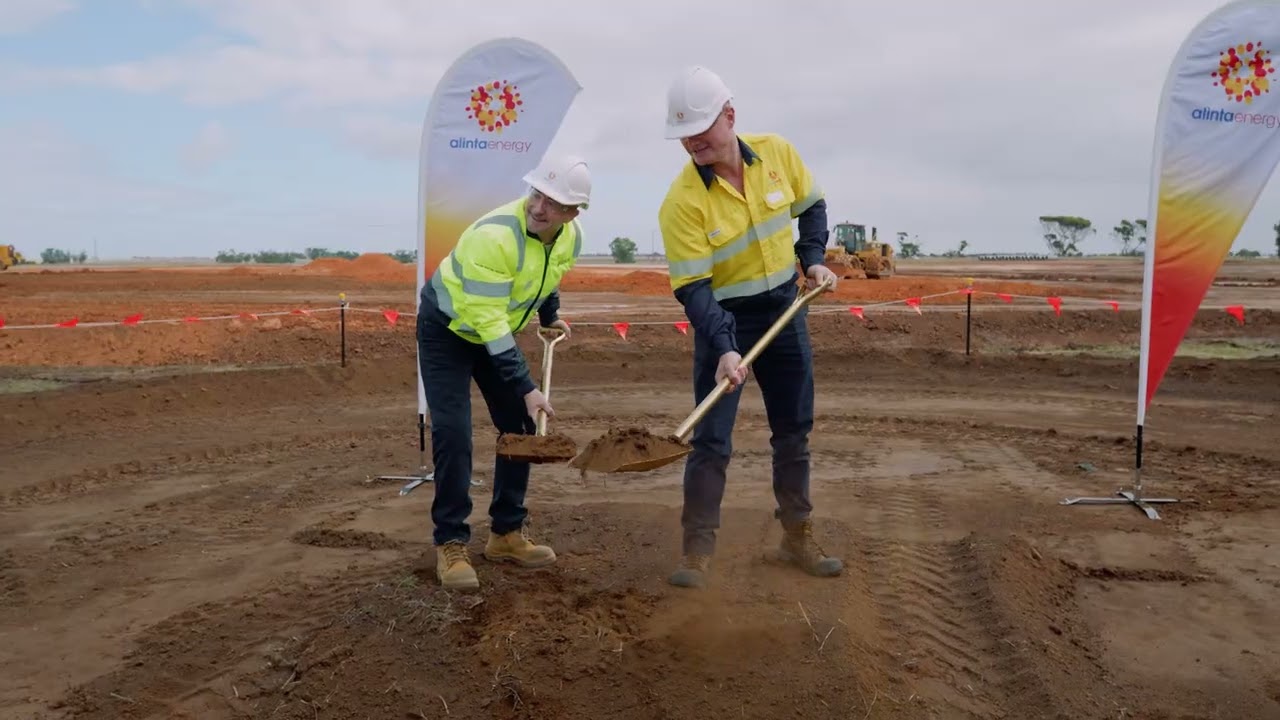
South Australia — Here's what just rolled onto a paddock that will soon look like three Adelaide Ovals of containers. The first battery modules for Alinta Energy's Reeves Plains battery energy storage system (BESS) have arrived. Stage one is a four-hour 250 MW / 1,000 MWh machine. When that stage finishes, it will be South Australia's largest storage project — and the state's first giga-scale battery.

Did you know the headline is not a consumer product drop? This is grid kit. The homeowner stake is simpler: big batteries firm a renewables-heavy network so rooftop solar and home storage keep earning their keep after dark.

Invest in your independence where the meter still answers to you. Stake your claim on evening power you own — while the giga-projects do the heavy firming.

Source: RenewEconomy / Joshua S Hill, 16 Sep 2026.

First 48 of 194 units are on site

Reeves Plains project scale — 194 CATL units, 48 arrived, Power Electronics, GenusPlus EPC

Alinta says the first 48 of 194 battery units began arriving over the past week. The rest of the units and the inverters are due in the coming months.

Batteries come from CATL. Inverters come from Power Electronics. West Australian group GenusPlus is delivering the job as EPC contractor.

Ken Woolley, Alinta's executive director for generation and development, called the arrival a significant moment toward a 250 MW battery with up to four hours of storage for South Australia. Once installed, the battery and inverter footprint will span roughly three times the size of Adelaide Oval.

Initial works started mid-2025. Official construction kicked off earlier this year. Steel and concrete are already past the ribbon stage — modules mean the project is leaving the diagram phase.

Stage two could double the lot

A second stage is already in feasibility. A final investment decision is expected later this year. If approved, stage two would double capacity to 500 MW / 2,000 MWh.

That is still one project, one site, one developer path — not a guarantee. FID is the gate. Until then, stage one is the number that matters for SA's "largest when complete" claim.

Why SA needs the firming now

South Australia has averaged about 75% wind and solar over the last 12 months, per the RenewEconomy report. The state is chasing a 100% net renewables target by the end of next year.

High renewables without storage is a daytime story with an evening cliff. Grid batteries soak surplus when the wind and sun are loud, then push power back when households and industry actually draw. That is how rooftop exports stay useful instead of getting throttled into irrelevance — and how home batteries keep a job after the sun drops.

Mega-BESS does not replace your wall unit. It keeps the network they both plug into from fighting itself.

Honest scale: still not Australia's biggest

Australian big-battery comparison — Reeves Plains vs Waratah vs Eraring / Supernode

Reeves Plains stage one will lead South Australia. It will not lead the country.

It is still smaller than the Waratah Super Battery — about 850 MW / 1,680 MWh — already playing shock-absorber on the NSW grid. Collie in Western Australia has larger projects in the mix. Eraring in NSW is building toward 700 MW / 3,180 MWh beside Australia's biggest coal station. Queensland's Supernode is racing at 780 MW / 3,073 MWh, with more stages planned.

SA gets a state champion. The national ladder still has taller rungs. That is facts, not spin.

What this changes — and does not — at your meter

A field of CATL containers north of Adelaide will not automatically shave your dinner peak. Network charges, wholesale spikes and export limits still land on the household statement.

What big storage does for homeowners in a high-renewables state:

  • Firms the grid so midday solar has somewhere useful to go
  • Reduces the "curtail everything" reflex when the network is stressed
  • Makes a home battery + rooftop pair more valuable, not less — evening load still needs local kit
  • Buys time for wires and rules to catch up without pretending your bill is fixed by a press release

What you can still own:

  • Roof solar sized to your load and export limits
  • A compliant home battery matched to evening and overnight circuits
  • Tariff literacy so peaks hurt less
  • An electrification sequence that does not amplify the dinner rush — see a proper [home electrification plan](https://lightning-energy.com.au/blog/home-electrification-australia-solar-battery-heat-pump-ev)
  • Docs and monitoring so the next heatwave is data, not panic

Federal Cheaper Home Batteries support can take around / up to ~30% off eligible home battery systems when you qualify. Eligibility depends on property and current rules. Never invent dollar savings off a grid-BESS headline. For who actually wins on the rebate math, read federal home battery rebate — who wins.

Stake your claim where the paddock won't

First modules at Reeves Plains are real news for Australia's most renewable grid. They are not your dinner battery. Alinta's 250 MW / 1,000 MWh stage will firm South Australia at giga-scale. Your independence still starts on the roof and in the garage — with a compliant home battery stack when the site and rules fit.

If grid headlines have you staring at the bill, bring that bill to a design consult. Own your evening power. Reeves Plains will keep stacking containers either way.

Available times

Ready to talk about your own home?

Book a consultation and we'll map solar, storage, hot water, and the rebates around your bills and your goals.