
Rooftop Solar, Solar Farms and Local Communities
Household solar and utility projects raise different planning, grid and community questions.
Household solar and utility projects raise different planning, grid and community questions.
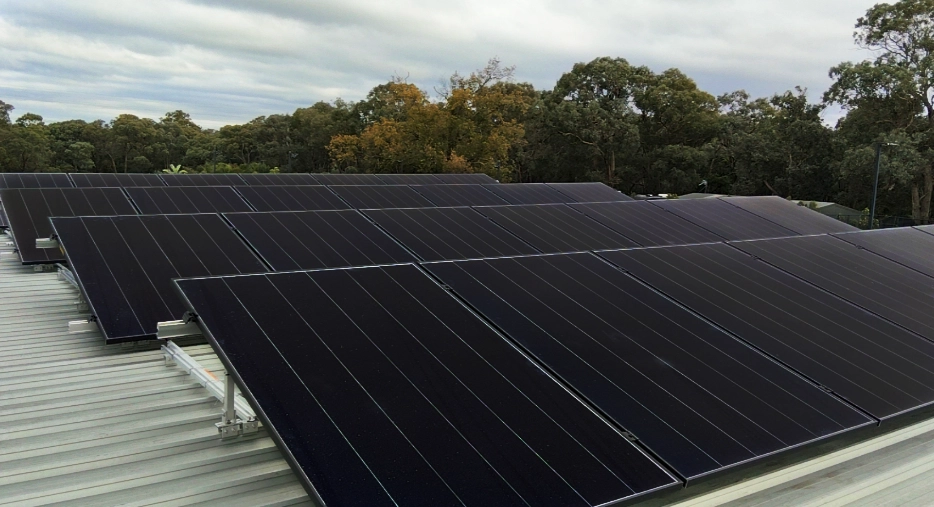
Rooftop solar and large solar farms should be compared by the jobs they do and the constraints they face. A household system uses a particular roof and connects at a local property. A utility project brings a larger planning, land-use and network-connection process.
Local concerns can involve different combinations of landscape, access, network infrastructure and project design. Avoid assuming that one community view applies to every renewable-energy proposal.
Regional project discussions can involve land use, amenity, benefits and decision-making. Assess the specific concerns and documents rather than assuming one position represents the community.
Rooftop solar produces at the property and can serve household loads. A battery may shift some surplus to later use. Neither technology removes the need to assess a nearby utility project through its planning process.
Utility projects and transmission infrastructure serve wider electricity-system needs. Their development does not automatically provide household backup or determine one property’s retail tariff.
Household installations and utility projects should each be assessed at their own scale, including their benefits, costs and local impacts.
A rooftop assessment can proceed using the property’s conditions and electricity use. It does not need to assume the outcome of an unrelated development proposal.
These are household design choices within a wider connected electricity system.
Continue to review the household tariff and usage independently of changes to a nearby project.
Bring bills and property details to discuss the solar or storage options available at your site.
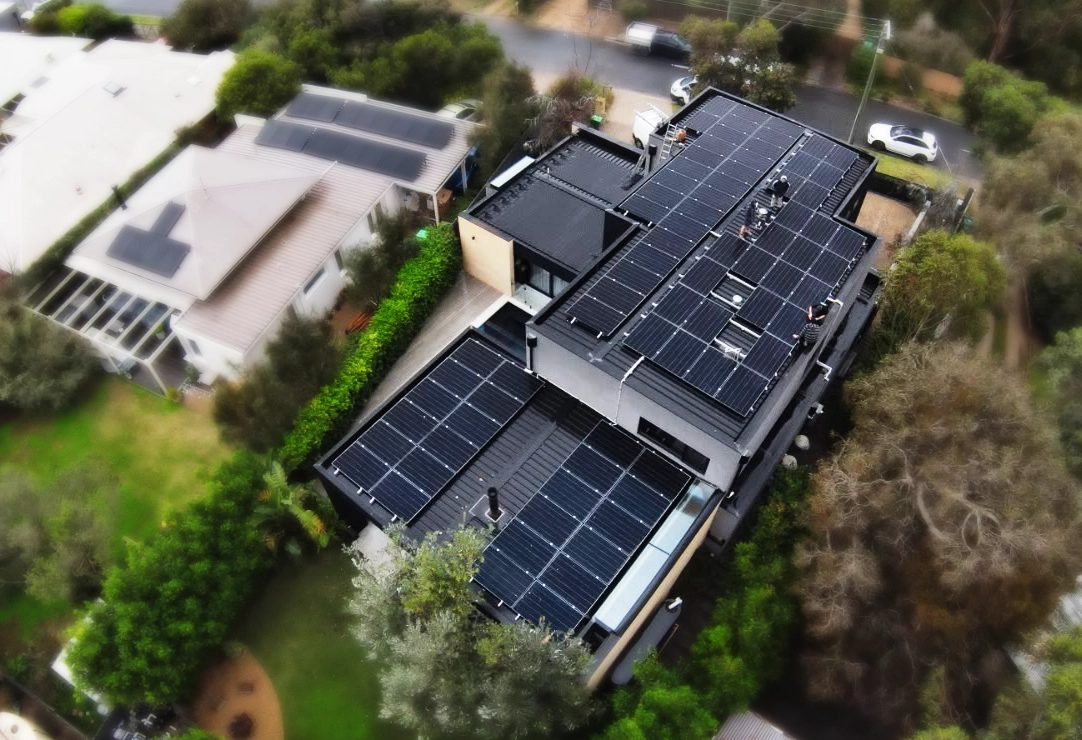
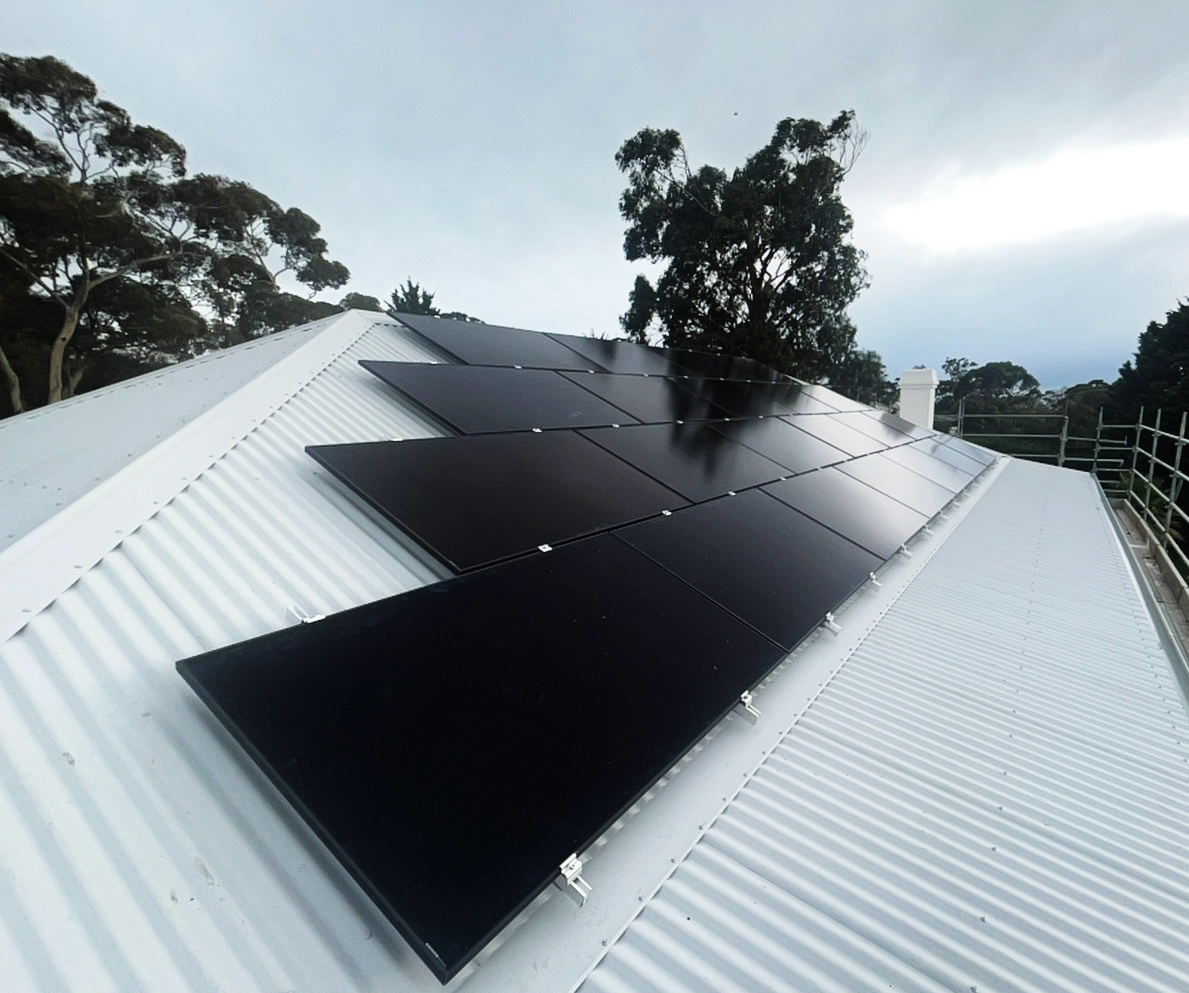
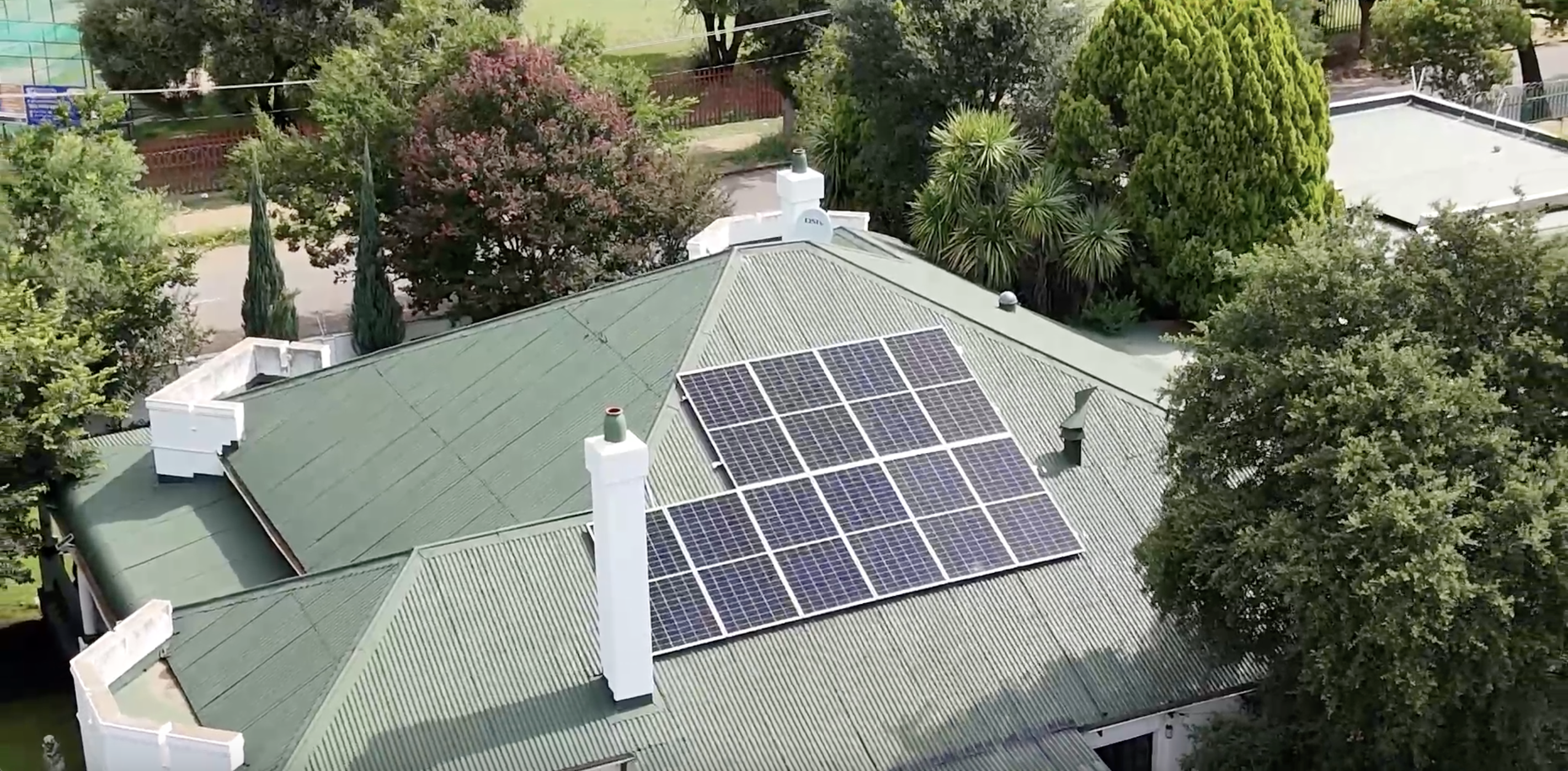
The assessment focuses on usable area, orientation, shading, roof condition, electricity demand and approved export arrangements. Those details determine a suitable system more directly than the outcome of a nearby development application.
A regional property may also have particular network or service constraints, so obtain the connection offer rather than applying a generic urban export assumption.
Read the project design, planning assessment and proposed conditions. Questions about access, ecology, landscape and local benefits deserve specific answers. The availability of rooftop solar elsewhere does not automatically resolve them.
Equally, a utility project’s total output does not establish the value of solar at one household.
Contact Lightning Energy to discuss the options for your property and electricity use.
Available times
Book a consultation and we'll map solar, storage, hot water, and the rebates around your bills and your goals.
Question 1 of 6