
Sigenergy SigenStor in Australia: A Guide to the System Components
The energy controller, battery modules and optional components that make up a Sigenergy SigenStor installation.
The energy controller, battery modules and optional components that make up a Sigenergy SigenStor installation.
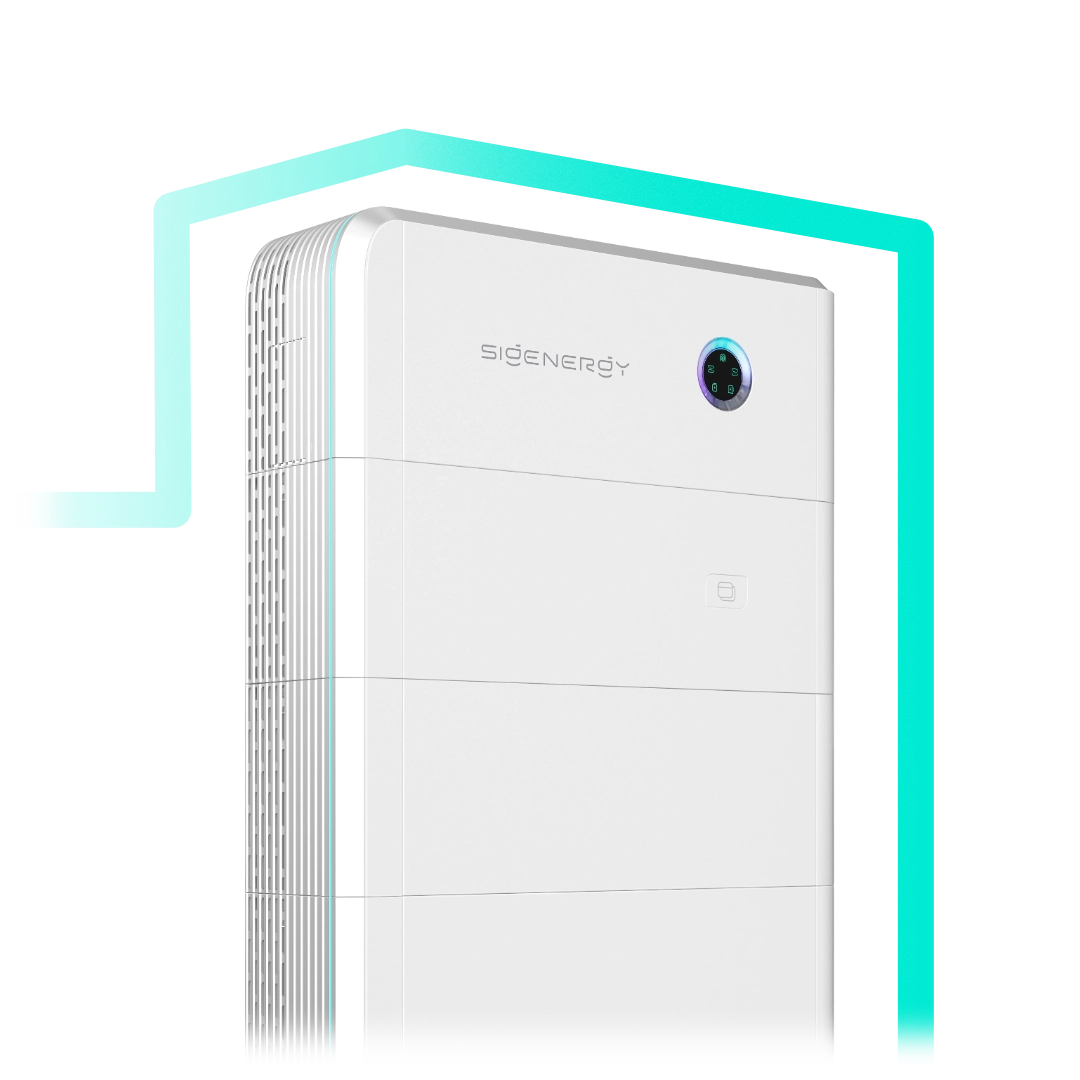
SigenStor is a configurable energy system. Its controller, battery modules and optional equipment need to be specified together, rather than assuming that every feature shown in a product image is included in every installation.
Some systems use separate solar and storage components; others combine them in a coordinated product arrangement. In either case, the design needs to explain export control, backup, expansion and responsibility for faults.
Choose an arrangement that fits the roof, switchboard, export conditions, backup requirements and available installation space.
A SigenStor proposal can be assessed as a coordinated controller-and-battery arrangement. Compare the selected components, physical layout and supported expansion with alternatives using the same household requirements.
Ask for a diagram and equipment list showing the proposed installation.
Sigenergy’s SigenStor information describes an energy controller and modular battery storage, with additional components for particular functions. Output and phase arrangement depend on the selected controller; storage capacity depends on the battery configuration.
Backup and EV charging require their own supported components and design. An AC EV charger is also a different product from the Sigen EV DC Charging Module.
Ask the installer to list the controller, batteries, metering, gateway and any EV equipment separately. Confirm what is included now and what is only a possible future addition.
The design should explain how the system works with existing solar, what happens during an outage and which loads can run together. A diagram of the actual arrangement is more useful than a generic “all-in-one” label.
If vehicle charging is part of the brief, identify the exact vehicle and its supported charging functions. Ask whether the quote includes an AC charger or a DC module, what metering and controls it requires and which functions are supported in Australia for that combination. Do not assume that one charging product includes the capabilities of another.
Compare a battery-and-controller proposal first, then show the additional charging equipment and electrical work separately. This makes it easier to decide whether integrating the functions meets a current need or is a provision for later.
Contact Lightning Energy to discuss the options for your property and electricity use.
Available times
Book a consultation and we'll map solar, storage, hot water, and the rebates around your bills and your goals.
Question 1 of 6