
Solar and Battery Options for Renters and Apartment Residents
A practical look at landlord approval, shared systems, portable backup and the limits of each option.
A practical look at landlord approval, shared systems, portable backup and the limits of each option.
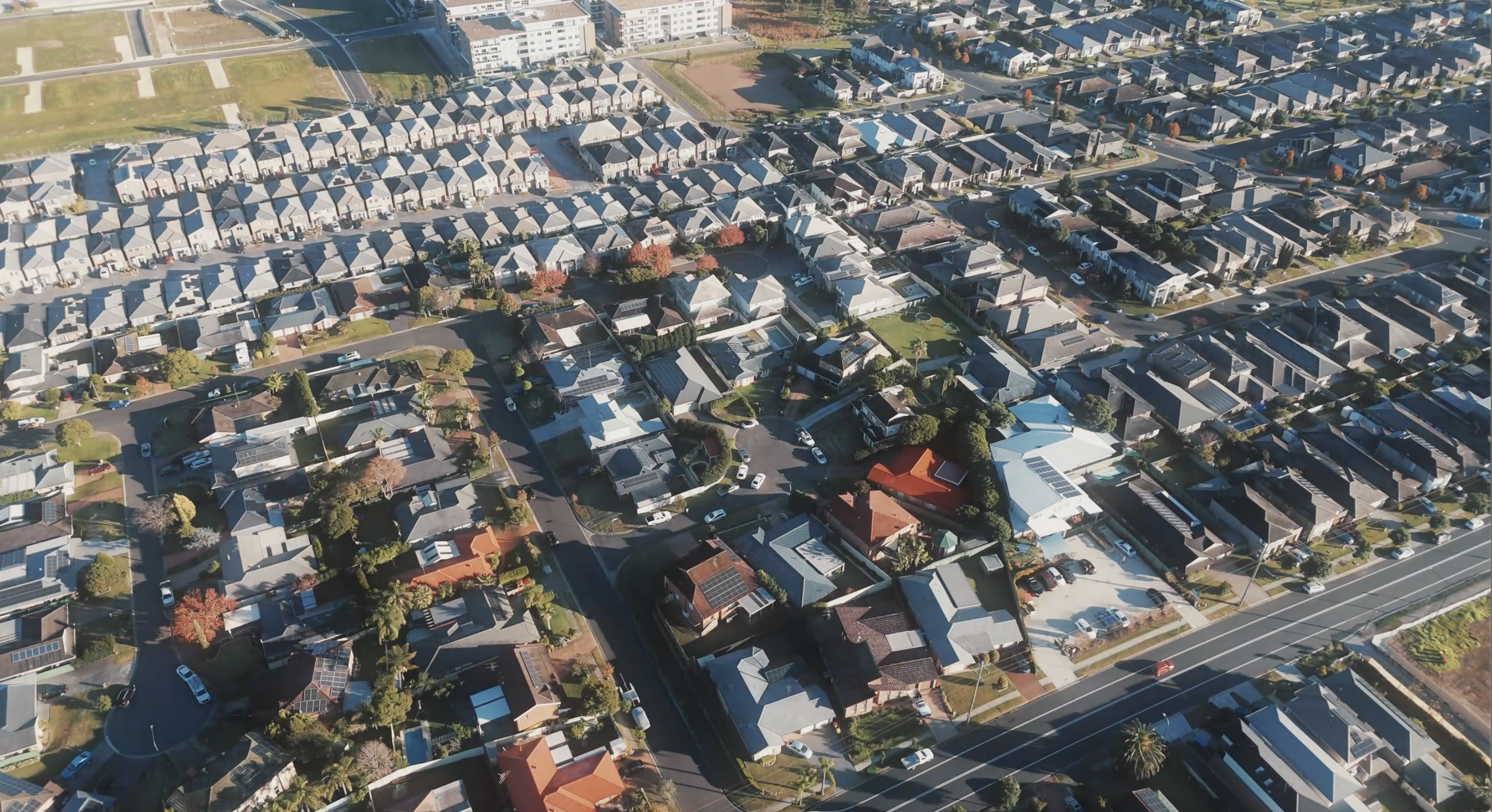
Renters and apartment residents can face limits on fixed solar and battery installations, but the options depend on the property, tenure and proposed equipment. Start with the permission and connection questions before buying hardware.
Renters often need the property owner’s agreement to install fixed solar or storage. The available options depend on the lease, building arrangements and local programs, as well as the household’s energy use.
Fixed installations may involve property permissions, network arrangements and electrical alterations. Tenants, landlords and strata bodies should agree who owns the equipment, maintains it and controls the energy account before proceeding.
Separate options requiring owner or strata consent from options available through a retail plan or standalone appliance.
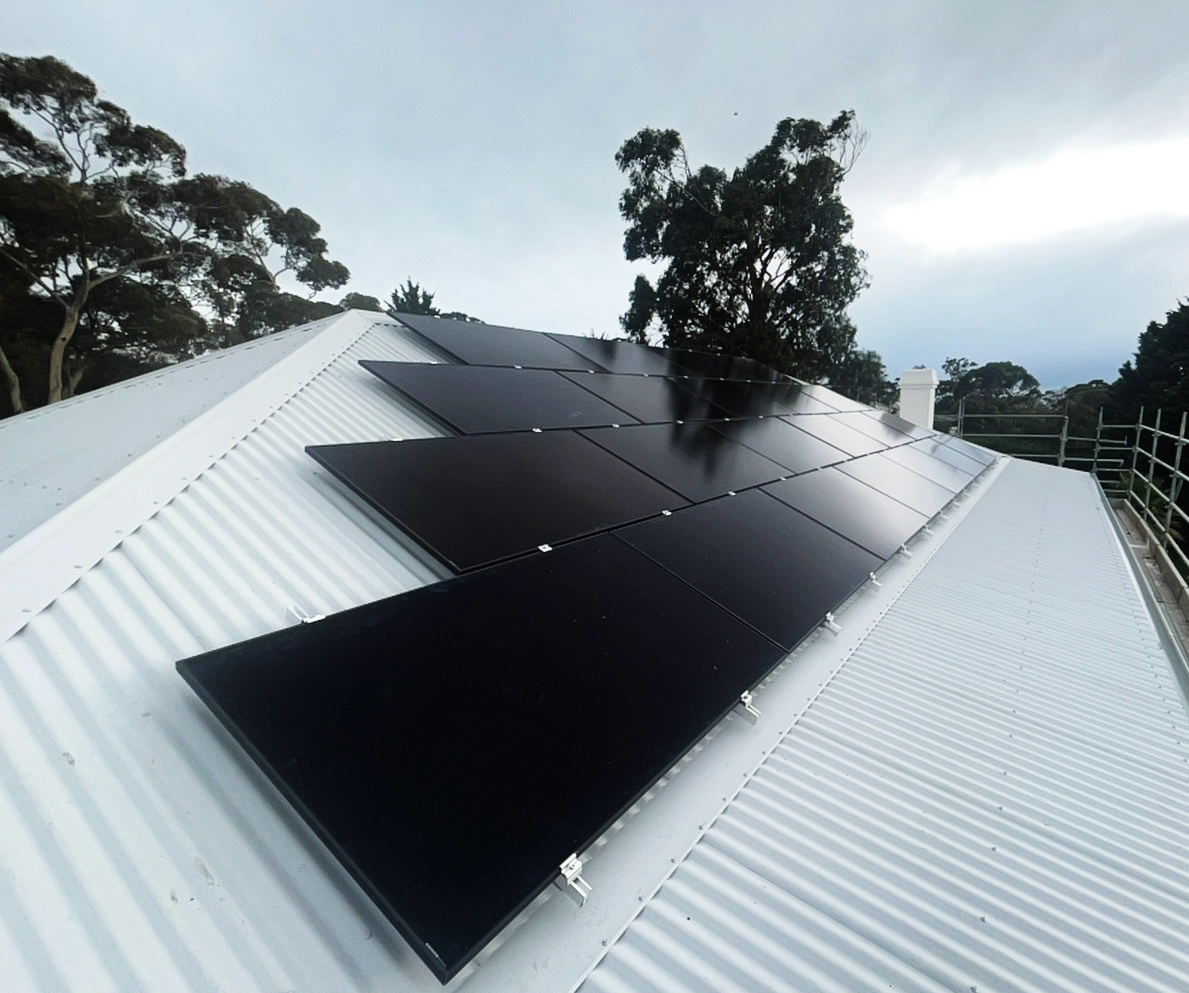
Some options require changes to the property; others can be assessed without a fixed installation.
Ask for written information about consent, metering, ownership and warranty responsibilities before proceeding.
Owners and tenants may receive different benefits and carry different costs. Record any contribution, maintenance responsibility, electricity-account arrangement and eligibility conditions in writing.
Keep bills and a clear description of the problem you want to solve. A written proposal can help a landlord or owners corporation compare costs, responsibilities and benefits without assuming the resident will buy the property later.
Bring bills and the property’s permission constraints to an assessment so the available options can be identified.
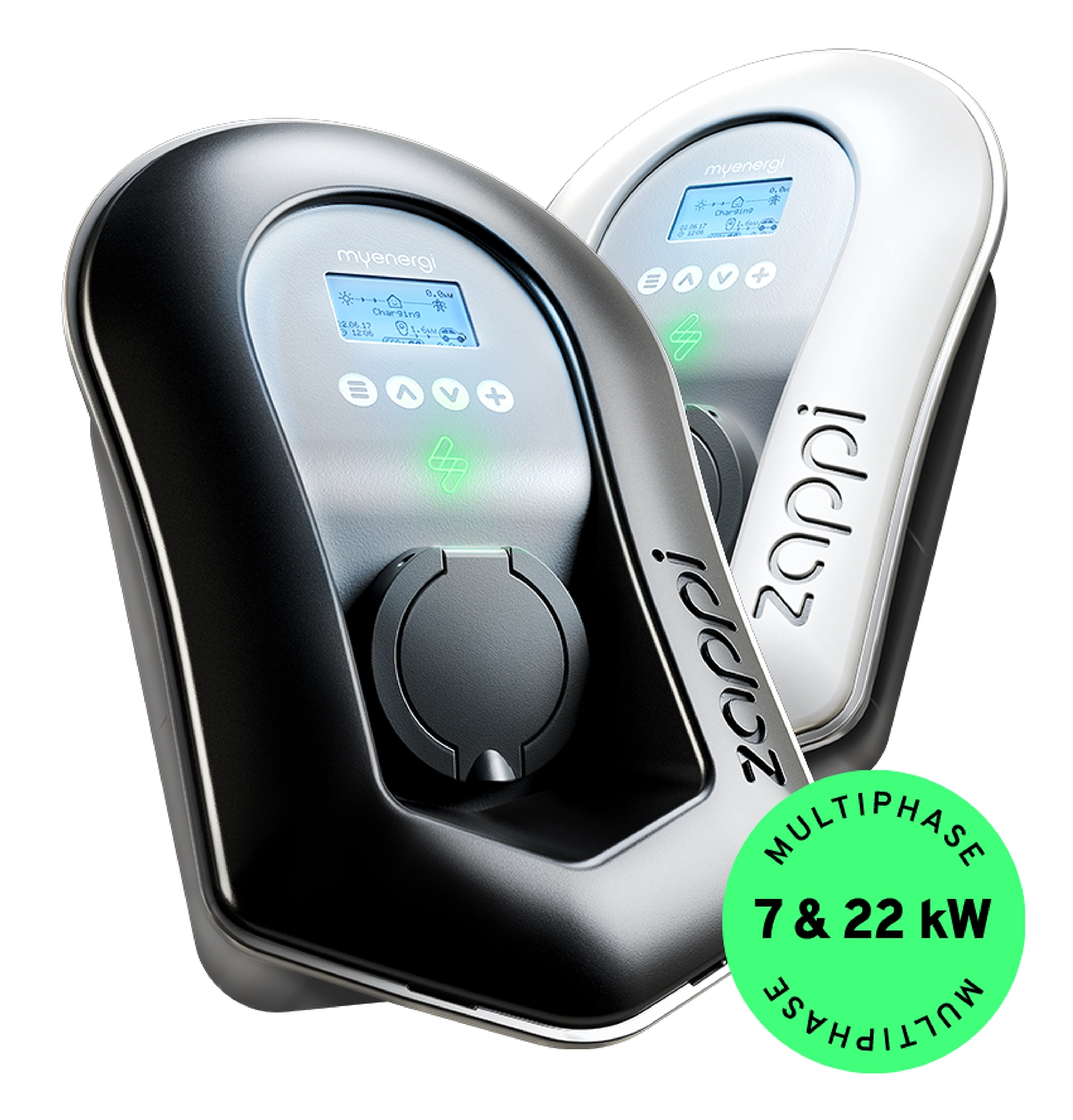
A standalone power station may run selected appliances connected to its own outlets within the manufacturer’s ratings. That does not make it a fixed home battery or authorise it to feed electricity into the building’s wiring.
Assess the intended appliance, required runtime, charging method and storage location. Do not assume every portable product qualifies for an incentive designed for eligible fixed installations.
Contact Lightning Energy to discuss the options for your property and electricity use.
Available times
Book a consultation and we'll map solar, storage, hot water, and the rebates around your bills and your goals.
Question 1 of 6