
Solar Inverters Explained: String, Hybrid and Microinverter Systems
Understand the inverter’s role, different battery-connection architectures and the checks needed before upgrading.
Understand the inverter’s role, different battery-connection architectures and the checks needed before upgrading.

A solar inverter converts the panels’ direct-current electricity into alternating-current electricity that the home can use. The names used in quotes describe different features, so “string” and “hybrid” should not be treated as mutually exclusive categories.
A string inverter receives DC electricity from connected groups of panels. Microinverters perform conversion at individual panels. The appropriate layout depends on the equipment, roof arrangement, electrical design and service considerations.
Neither architecture removes the need to assess shading and the usable roof area. Panel-level electronics cannot create sunlight where it is blocked.
A hybrid inverter is designed to work with supported battery storage as well as solar. It can also be a string inverter. The battery voltage, communications, firmware and manufacturer compatibility requirements still matter; “hybrid” does not mean any battery can be connected.
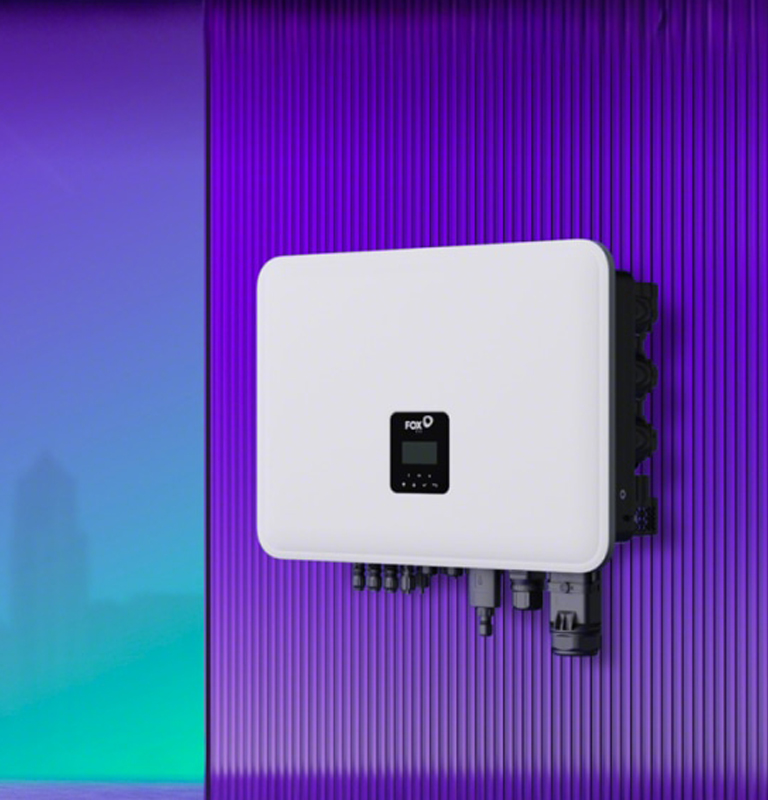
The Australian Government’s battery guide distinguishes AC coupling, which uses separate solar and battery conversion, from DC coupling through a hybrid inverter. Adding a battery does not always require replacing a working solar inverter, but the existing equipment and backup requirements must be assessed.
Imagine a home with a working solar inverter and no battery. One proposal retains it and adds a supported battery inverter. Another replaces it with a hybrid unit. Compare the equipment cost, installation work, warranty coverage and backup operation in each proposal before deciding.
For a new solar system, compare the array layout and storage plan together. Ask the installer to identify which function each component provides and how the system behaves if the grid fails. A simple diagram of those components can make an otherwise confusing list of product names easier to assess.
Ask what the monitoring system measures and what additional meters or communications equipment are included. Production alone is different from a view of production, household consumption, import and export. If a comparison relies on consumption data, check how that data will be collected and who can access it.
The network export limit is also different from the inverter’s conversion rating. Ask the installer to show the approved connection conditions and explain how the completed system will control export. An inverter with a larger rating does not establish permission to export at that rating.
Compare each option using the same panels, roof layout and usage data where practical. Record the inverter or microinverter model, expected annual generation, monitoring equipment, installation work and warranty responsibilities. If one option changes the panel arrangement, have that difference explained rather than treating the inverter as the only variable.
For a planned battery, add its exact supported model, backup equipment and nominated circuits to the comparison. This separates a design that can accommodate storage from a quote that merely uses the words battery ready. Retain the accepted design and compatibility documents with the handover pack.
Contact Lightning Energy with your current system details and future plans to discuss an appropriate inverter arrangement.
Available times
Book a consultation and we'll map solar, storage, hot water, and the rebates around your bills and your goals.
Question 1 of 6