
Tesla Solar Roof Reports: What They Mean for Rooftop Solar Buyers
Reports about Solar Roof availability concern a different product from conventional rooftop solar. Check the current offer and support.
Reports about Solar Roof availability concern a different product from conventional rooftop solar. Check the current offer and support.
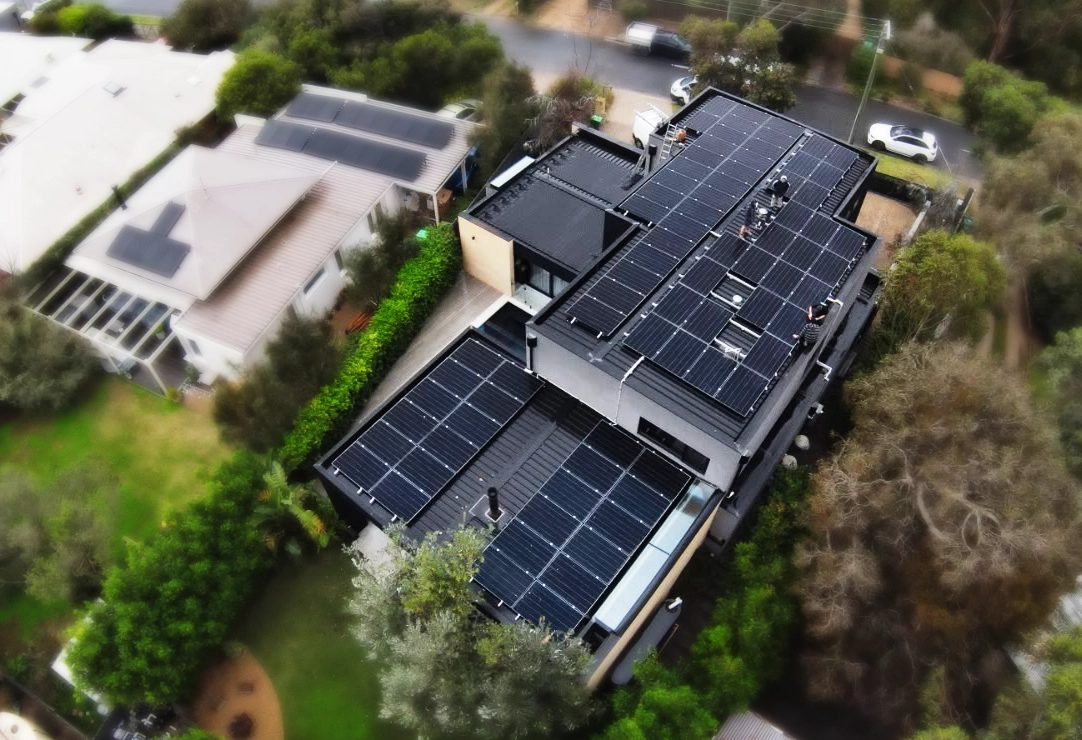
Reports about Tesla Solar Roof availability need to be read carefully. Solar Roof tiles are a different product from conventional solar panels mounted above an existing roof. A change affecting one does not establish that the other technology is being withdrawn.
This article does not treat continued support pages as proof of current new-order availability, or media reports as a confirmed Australian sales announcement. Buyers should obtain the current offer and support arrangements directly from the supplier before relying on either.
An integrated solar roof can combine a building-envelope project with electricity generation. Conventional rooftop solar is usually assessed alongside the condition and remaining life of the existing roof.
For either approach, ask who is responsible for weatherproofing, roof work, electrical installation and service access. A product warranty and an installation warranty can cover different things.
Keep the product and installation documents, record any fault and contact the responsible supplier through the current support channel. A report about future sales does not itself determine an existing customer’s rights or the outcome of a warranty claim.
Start with roof condition, usable area, shading and electricity demand. If the roof needs replacing, coordinate that work before committing to an array layout. Compare the total scope of each proposal rather than assuming a tile system and a mounted-panel system are interchangeable.
Contact Lightning Energy to discuss the options for your property and electricity use.
Available times
Book a consultation and we'll map solar, storage, hot water, and the rebates around your bills and your goals.
Question 1 of 6