Batteries

Tesla Powerwall 3 Australia: What It's Actually For

Tesla Powerwall 3 Australia isn't a garage badge — it's for evening peaks, backup and owning your solar. Here's what it's actually for, and what it isn't.

Luke CoveLightning Energy8 September 2026 · 6 min read

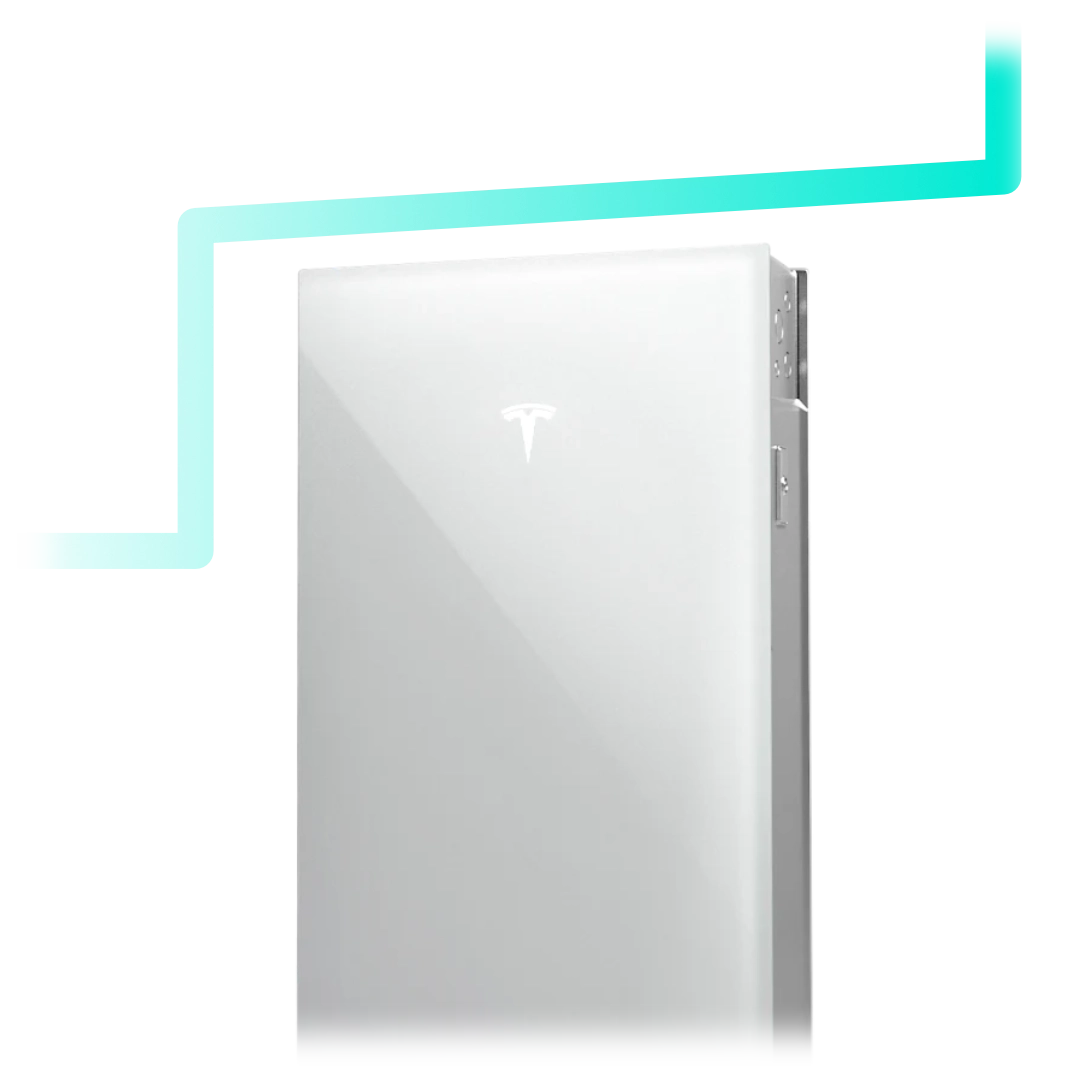
Australia — Searches for Tesla Powerwall 3 Australia are full of specs, wait times and neighbour envy. Useful, but incomplete. Powerwall 3 is not a badge for the garage wall. It is a tool for a specific job: take solar you would otherwise export cheap — or get throttled on — park it, then carry the evening peak and blackout moments on your own electrons.

Buy it as a fashion accessory and you will be disappointed. Buy it as infrastructure for independence and it starts to make sense.

I've specified storage across thousands of Australian homes. The question that matters is not whether Powerwall 3 is impressive on paper. It is whether it fits the job your house actually has.

Tesla Powerwall 3 Australia: the job description

Powerwall 3 is a DC-coupled home battery with an integrated hybrid inverter. In practice that means:

What it is actually for

Powerwall 3 is for four jobs that matter to a household:

What it is not for

It is not a licence to ignore efficiency. A Powerwall will not save a house that leaks energy through ancient hot water and poorly sealed ducting. Pair storage with sensible loads — heat pumps, timed EV charging, basic behavioural shifts.

It is not guaranteed off-grid. Most Australian installs remain grid-connected. Off-grid is a different brief, different compliance story, different expectations. Social media often blurs that line. Design should not.

It is not the only good battery. Other platforms — including options such as Sigenergy — are legitimate depending on architecture, expansion plans and how you want the system to behave. Powerwall 3 is excellent at its job. It is not the only hammer in the tray. A proper design picks the tool for your roof and loads — not the loudest brand thread.

It is not a rebate lottery ticket. Federal Cheaper Home Batteries support can take up to around 30% off eligible home battery systems, depending on property and current rules. That can matter. It does not invent bill savings, and it does not make a poorly sized system smart. Eligibility first. Fantasy payback spreadsheets second — preferably never.

Powerwall 3 versus just more solar

More panels help when you still have daytime load to cover or winter sun to chase. They do not help much at 8pm. If monitoring already shows healthy midday export and painful evening import, more panels without storage can simply bump into export limits harder.

The independence stack for many homes is: right-sized solar, then storage, then flexible loads (hot water, EV, HVAC). Powerwall 3 sits in the middle of that stack when Tesla's architecture fits the site.

Design details that decide whether you love it

Usable capacity versus marketing capacity. Work from the usable energy that will actually cycle for your loads.

Solar pairing. New build versus retrofit changes the conversation. Integrated inverter pathways favour clean new designs; retrofits need an honest look at existing inverters and switchboards.

Backup scope. Lights and fridge is one brief. Whole home with ducted heating and a spa is another. Be honest about what you need through an outage — and what you are willing to shed.

Expansion. Think about EV uptake, a second battery later, or a heat pump on the roadmap. Design for the house you are becoming, not only the bill in front of you.

Install quality. The unit is only as good as the electrical work around it. Isolation, earthing, firmware commissioning, app handover — this is where cowboys create expensive ghosts. Specify and commission it like independence depends on the details. Because it does.

The Australian context

Households are watching wholesale prices move while retail bills stay stubborn, debating fixed network charges, and living with export constraints in solar-dense streets. Powerwall 3 does not fix the market. It shrinks how much of that market you have to buy every evening.

That is the point. Own your power. Own your options. Stop waiting for the next retailer email to feel like relief.

Is Powerwall 3 right for you?

Strong fit signals:

Get it designed for the job

If you are weighing Tesla Powerwall 3 against other storage platforms, skip the forum absolutism. Get the system designed around your bills, export conditions and backup priorities. Hardware choice should fall out of that — not the other way around.

If you want to see whether Powerwall 3 — or another battery we stand behind — actually fits your roof and load shape, get it designed properly: sized, specified and installed like independence depends on it. Because it does.

  • It charges from your solar (and can charge from the grid when the tariff or setup says so)
  • It discharges to run the house when solar is not enough
  • It can provide backup for selected circuits or whole-home setups depending on how it is designed and installed
  • It operates in Tesla's monitoring ecosystem — app, telemetry, remote insight
  1. Crushing the evening peak. Most households import hardest between late afternoon and night — cooking, air conditioning, EV plugs, entertainment, heat. That is when retail rates hurt and rooftop solar has faded. Powerwall 3's core job is shifting midday surplus into that window so you stop renting the peak from your retailer.
  2. Making export limits less painful. When solar export limits or soft feed-in rates mean noon energy is not worth much on the grid, storage turns wasted headroom into evening independence. You are not fighting the network for more export. You are soaking your own generation.
  3. Backup when the grid blinks. Storms, heatwave strain, local faults — backup is not theoretical in Australian summers. Powerwall 3 can keep critical loads (or more, depending on design) running. Backup is a design outcome, not a sticker promise: circuits, transfer equipment and load priorities have to be specified properly.
  4. Owning options as tariffs get stranger. Fixed charges, time-of-use, demand-style pricing themes — the market keeps inventing ways to charge you for when and how you use power. Storage is how you stake your claim on timing.
  • Solid solar production with high midday export
  • Heavy evening imports on time-of-use or peaky tariffs
  • Interest in backup for outages
  • Willingness to design the system, not impulse-buy a box
  • Tiny solar array and no plan to expand
  • Almost no evening load (rare, but it exists)
  • Expectation of permanent off-grid living on a suburban connection
  • Quote shopping purely on sticker price with no site design

Available times

Ready to talk about your own home?

Book a consultation and we'll map solar, storage, hot water, and the rebates around your bills and your goals.