Zappi vs Ohme ePod: Comparing Solar, Tariff and Load-Control Features
Choosing between Zappi and Ohme ePod starts with when your car is parked at home. A household chasing spare midday solar has a different charging problem from one using a cheap overnight electricity window.
LLightning Energy TeamLightning Energy29 October 2026 · 5 min read
Choosing between Zappi and Ohme ePod starts with when your car is parked at home. A household chasing spare midday solar has a different charging problem from one using a cheap overnight electricity window.
This is a desk comparison of Australian manufacturer information checked on 28 October 2026. We have not conducted a side-by-side charging test. Installation scope, your car and your electricity plan can matter more than the charger badge.
Compare the Australian products on the quote
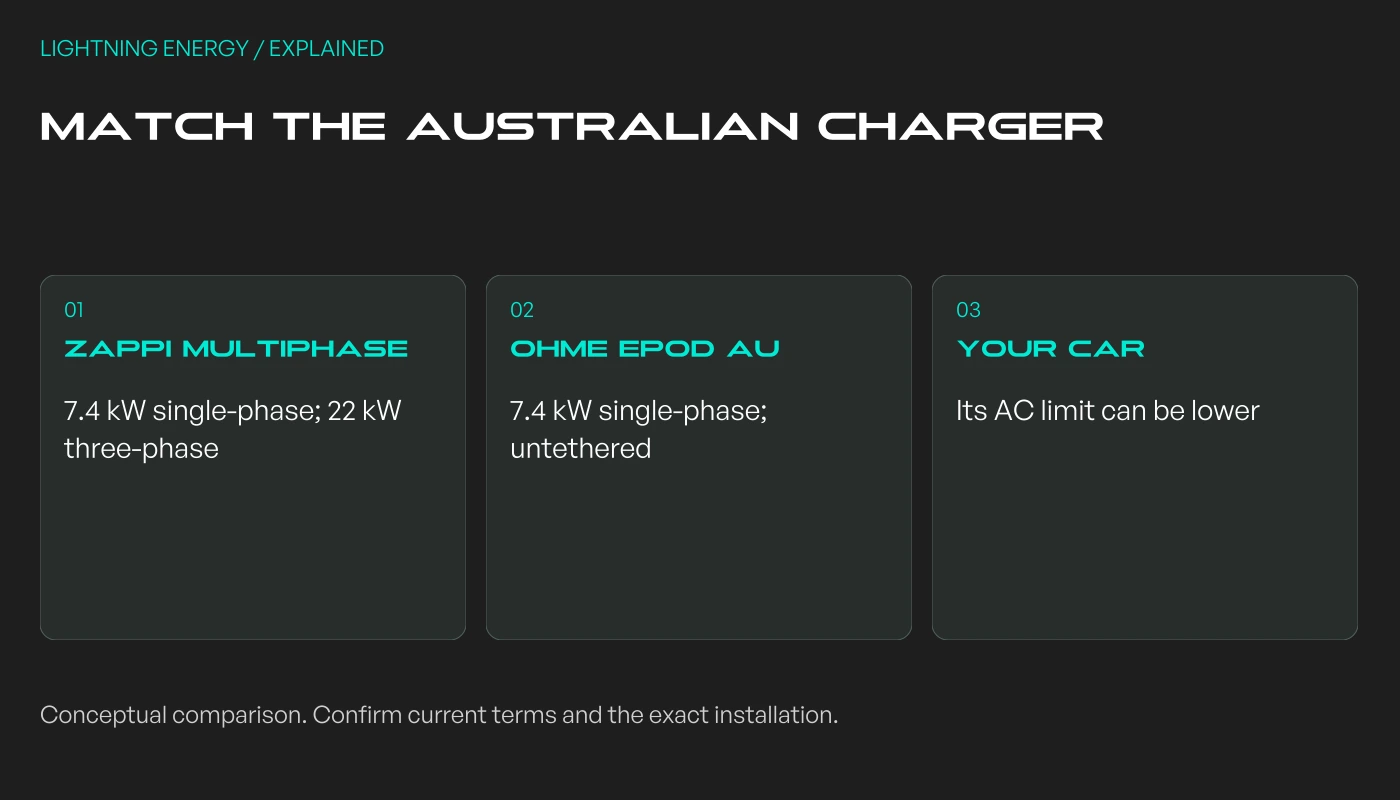
The Australian Zappi multiphase page describes single-phase charging up to 7.4 kW and three-phase charging up to 22 kW, with tethered and untethered choices. It offers ECO, ECO+ and FAST modes and scheduled charging.
The Australian Ohme ePod is an untethered 7.4 kW, 32 A single-phase charger. Its Australian specification lists Wi-Fi connectivity, smartphone control and physical buttons. Do not substitute the connectivity specification of a UK product.
An untethered unit needs a suitable separate charging cable. Compare the cost and convenience of that cable with a permanently attached lead, including where it will be stored and whether it reaches the car in your normal parking position.
Conceptual comparison. Confirm current terms and the exact installation.
The car sets another speed limit
A 22 kW charger cannot force a car to accept 22 kW AC. The vehicle's onboard AC charger, the home's supply and the installation settings all constrain the actual rate.
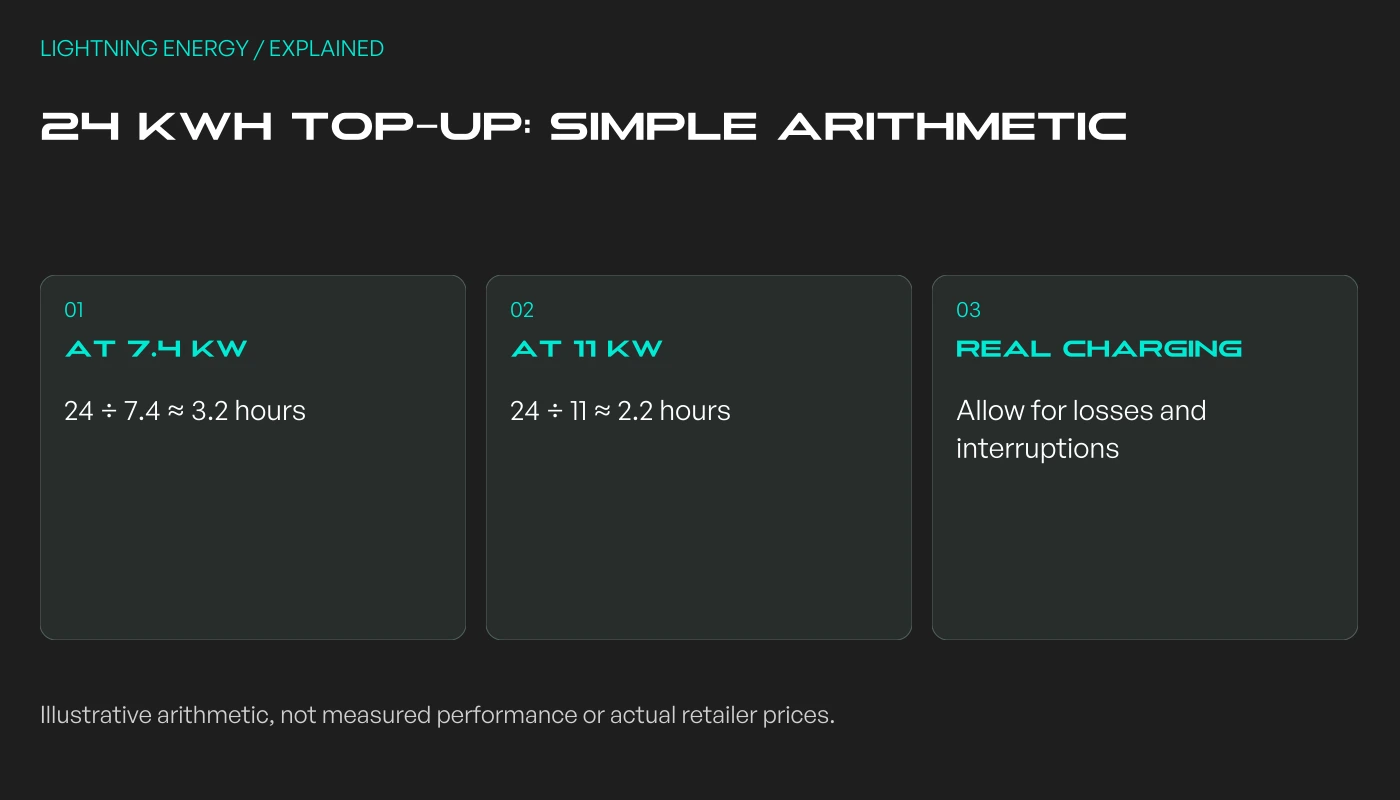
For illustration, replacing 24 kWh would take about 3.2 hours at a constant 7.4 kW or 2.2 hours at 11 kW. This ignores losses, interruptions and tapering. It is arithmetic, not a measured result for either charger.
If your car accepts 11 kW AC, use that limit in a three-phase comparison. If you normally need only a modest overnight top-up, the fastest hardware may offer little practical advantage over a properly configured slower installation.
Our home EV charging range is a starting point for discussing the vehicle, supply and parking layout together. Have a licensed installer assess capacity before committing to an upgrade.
Illustrative arithmetic, not measured performance or actual retailer prices.
Solar charging needs measurement and a parked car
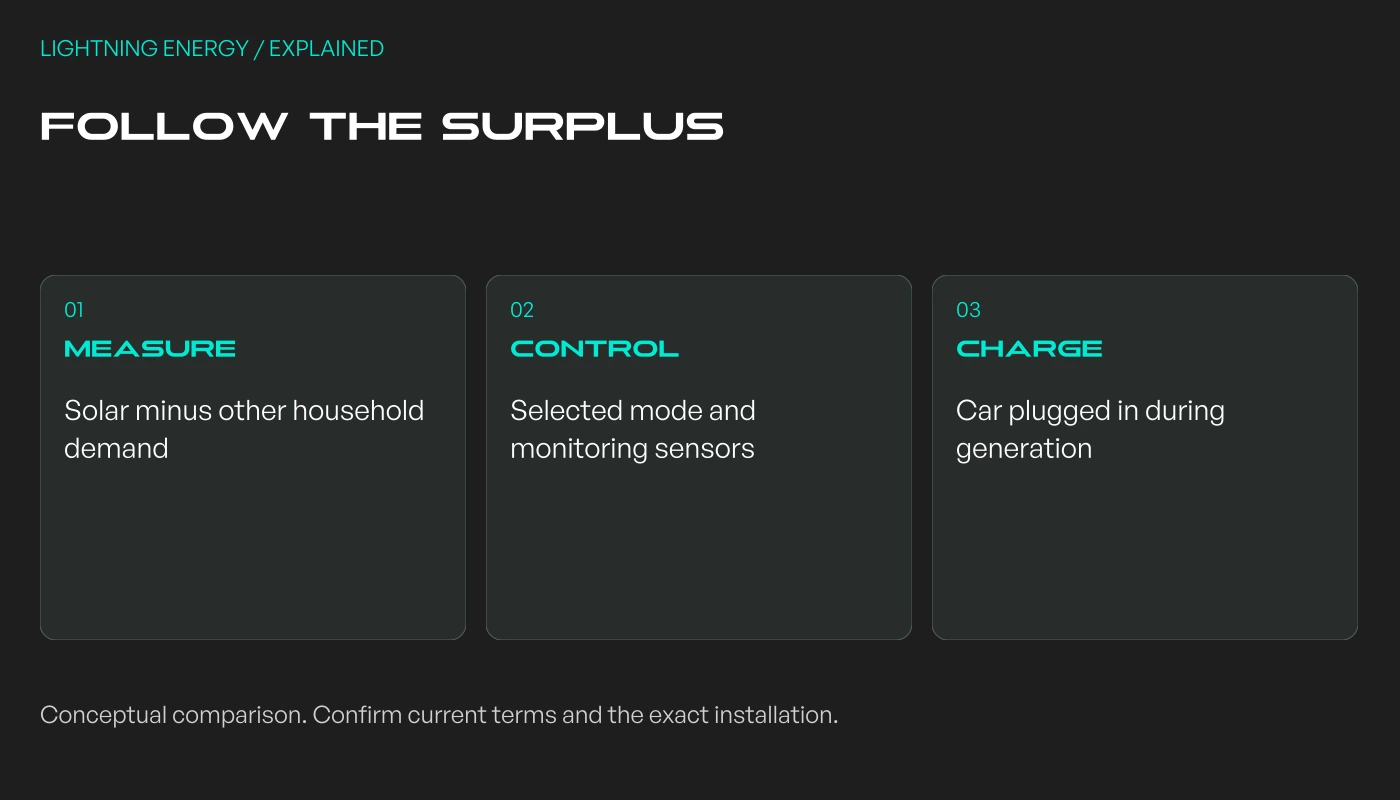
Both products can use measured surplus solar, but the control mode and commissioning matter. Ask the installer to demonstrate what happens when clouds arrive or another large appliance starts.
A working solar CT measurement, compatible installation and online charger are required.
Solar Only can briefly draw grid energy while responding to a fall in surplus. It should not be sold as a guarantee that every charging interval will contain absolutely no imported electricity.
For Zappi, ask for a demonstration of ECO and ECO+ with the installed monitoring arrangement. Record the chosen mode, minimum green setting where applicable and any scheduled boost, so later grid use is understandable.
A solar system cannot charge a car that is away during its generation window. Use a realistic weekly parking pattern, rather than assuming that all annual rooftop generation is available to the vehicle.
Conceptual comparison. Confirm current terms and the exact installation.
Coordinate the charger with a home battery
A home battery, hot-water system and EV may all try to consume the same surplus. An uncoordinated setup can move stored household energy into the car when the owner intended to preserve it for the evening.
Ask how the proposed installation measures whole-home demand, protects the supply limit and interacts with existing battery controls.
A product feature list does not establish that every combination of third-party equipment will coordinate correctly.
There is a useful commissioning test: plug in the car, start a large household load and observe whether charging adjusts as designed.
This is a test for the installer to demonstrate, not an instruction to alter wiring or protection yourself.
Keep a written record of the settings and the support contact. If a later electricity-plan or battery change alters the desired behaviour, you then have a baseline to return to.
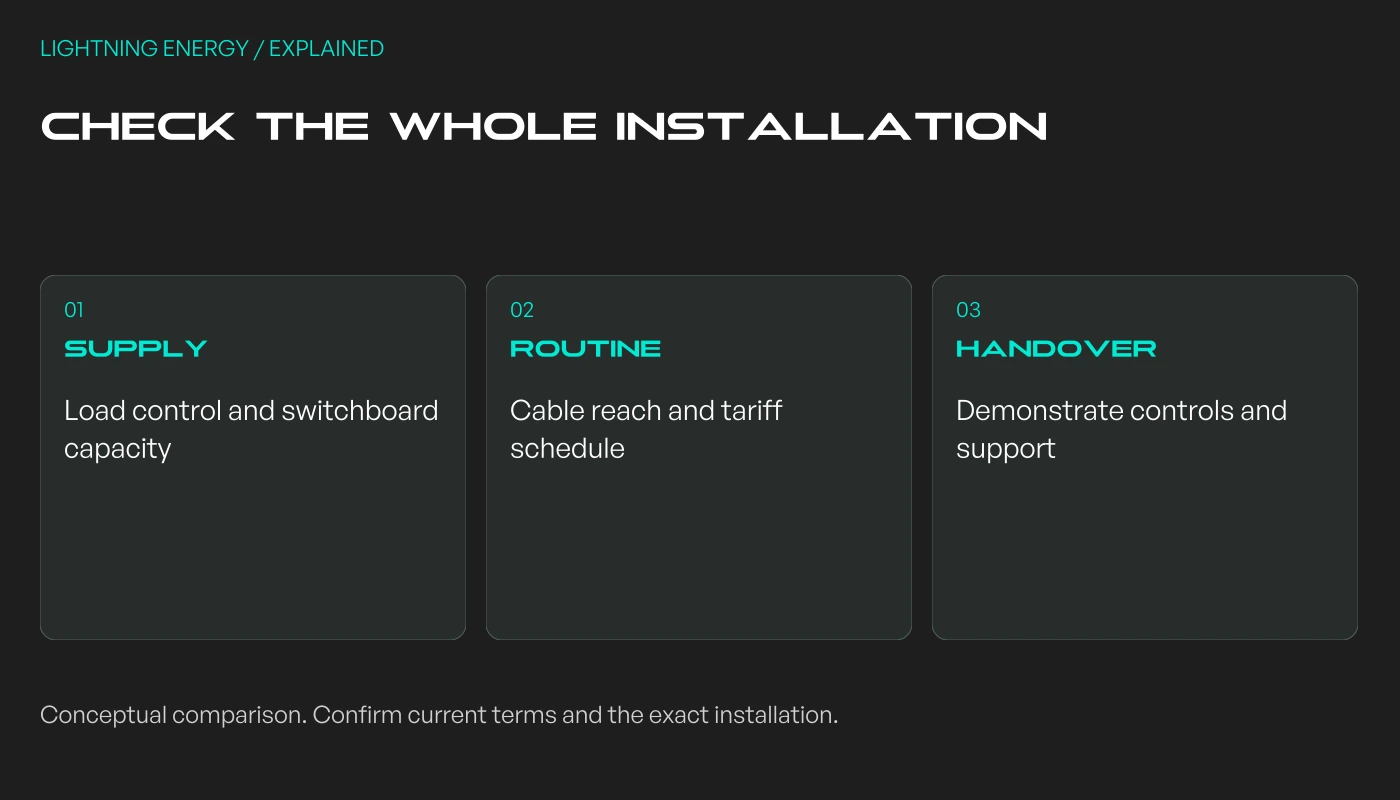
Conceptual comparison. Confirm current terms and the exact installation.
Compare the installed system and the daily routine
Ask each quote to identify the exact charger variant, cable, monitoring sensors, protection, cable route, switchboard work and commissioning. Confirm what happens if Wi-Fi is unavailable and how normal charging can be resumed.
For tariff charging, demonstrate the actual schedule using your current plan. A timer does not establish compatibility with every retailer's dynamic tariff, and an advertised cheap window can change after a plan switch.
Request the applicable Australian warranty and installation workmanship terms separately. Discuss who diagnoses a charging fault involving the car, network connection or charger, rather than relying only on a headline warranty duration.
For a predominantly overnight routine, predictable scheduling and simple operation may lead the decision. For a car regularly parked under a productive roof, surplus control and coordination with the rest of the home deserve more attention.
Talk to Lightning Energy with your vehicle model, electricity bill and photos of the switchboard and parking space.
The useful comparison is a complete design matched to your routine, with the promised controls demonstrated at handover.
Book a consultation and we'll map solar, storage, hot water, and the rebates around your bills and your goals.
Loading consultations…
Lightning EnergyPlan your next energy upgrade.
⚡
Hi, I’m Lightning Energy’s project guide. I’ll ask a few practical questions, explain what usually matters for your project, and help you decide on a useful next step — no guesswork or sales pressure.
First, what kind of property are we planning for?