A Bigger Solar Opportunity: The New 1 MW Incentive Threshold Explained
The eligibility ceiling for solar under the Small-scale Renewable Energy Scheme has expanded. For businesses considering a larger rooftop system, the 1 October 2026 change is worth understanding before comparing proposals.
LLuke CoveLightning Energy7 October 2026 · 4 min read Updated 14 October 2026
The eligibility ceiling for solar under the Small-scale Renewable Energy Scheme has expanded. For businesses considering a larger rooftop system, the 1 October 2026 change is worth understanding before comparing proposals.
I would treat this as a change to the incentive pathway, not a reason to fill every available square metre with panels. A larger eligible system still needs a workable connection and a sound business case.
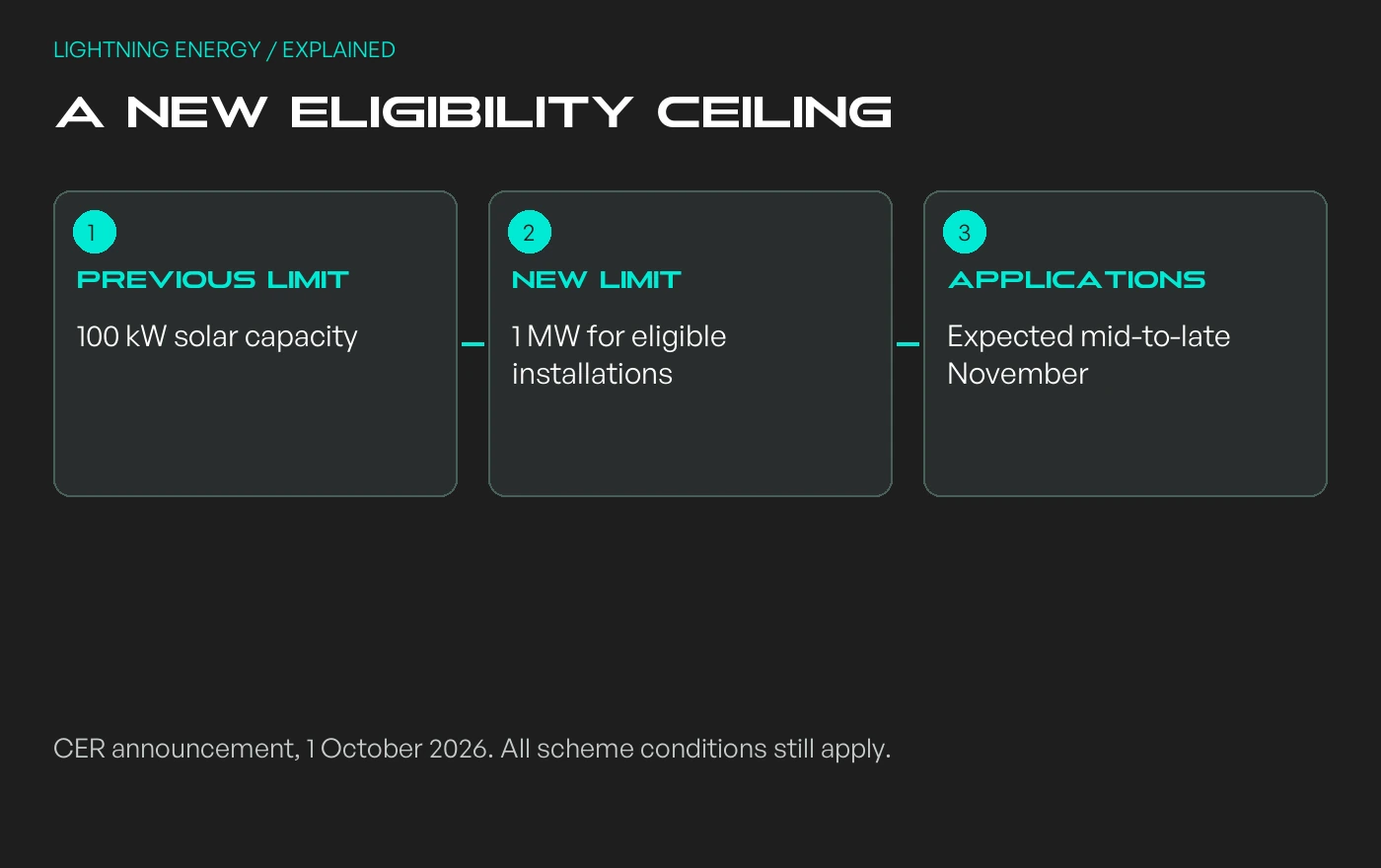
The Clean Energy Regulator's announcement says eligible solar capacity under the scheme has increased from 100 kW to 1 MW for systems installed from 1 October 2026.
The regulator expects applications for the new mid-scale pathway to open in mid-to-late November. Eligibility starting and applications opening are different dates.
The announcement is not a fixed cash rebate for every business. The system, installation date, supporting evidence and applicable scheme rules determine what can be claimed. A quote should make its incentive assumptions explicit.
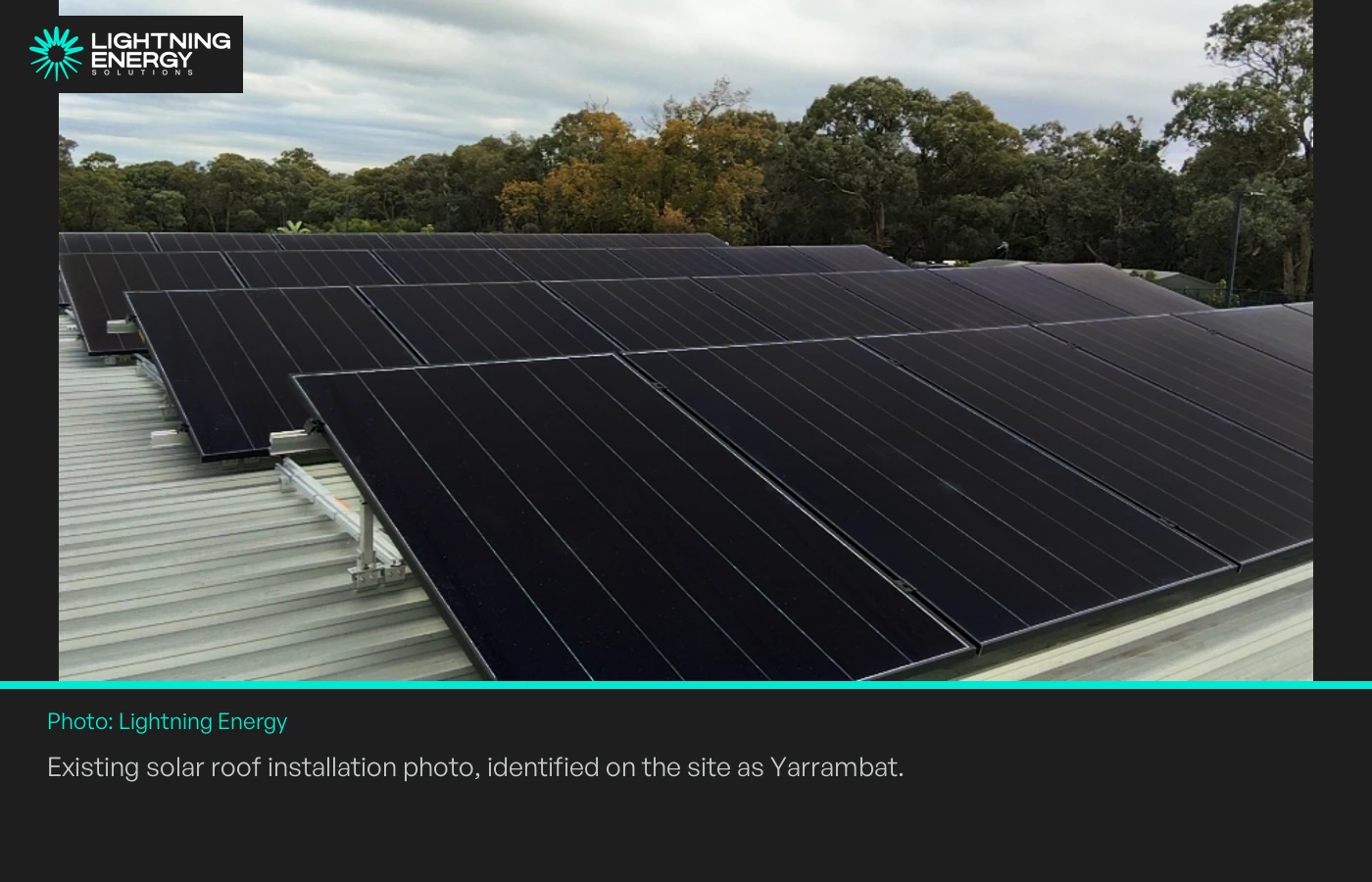
Photo: Lightning Energy. Existing solar roof installation photo, identified on the site as Yarrambat.
Start with when the business uses electricity
A warehouse that runs during daylight may use solar differently from a venue with evening demand. Review interval data across operating days, weekends and quieter seasons before choosing capacity.
The solar system should be assessed against useful consumption, permitted exports, roof constraints and the tariff. A bigger nameplate rating does not automatically produce a better return.
Where demand is concentrated outside solar hours, battery storage may be worth modelling separately. Include its cost and operating strategy rather than assuming storage is a compulsory part of a larger solar installation.
Original Lightning Energy graphic. CER announcement, 1 October 2026. All scheme conditions still apply.
Connection and construction still matter
The incentive change does not waive network requirements. Export constraints, electrical protection, metering and connection studies can affect scope and timing.
The roof needs its own assessment too: structure, access, drainage, shading, fire requirements and future replacement plans. A tenancy introduces questions about permission, lease length and who owns or benefits from the equipment.
I would want these issues visible before an incentive is used to create urgency. A project that needs substantial electrical or structural work should not be compared with a simple installation on headline panel capacity alone.
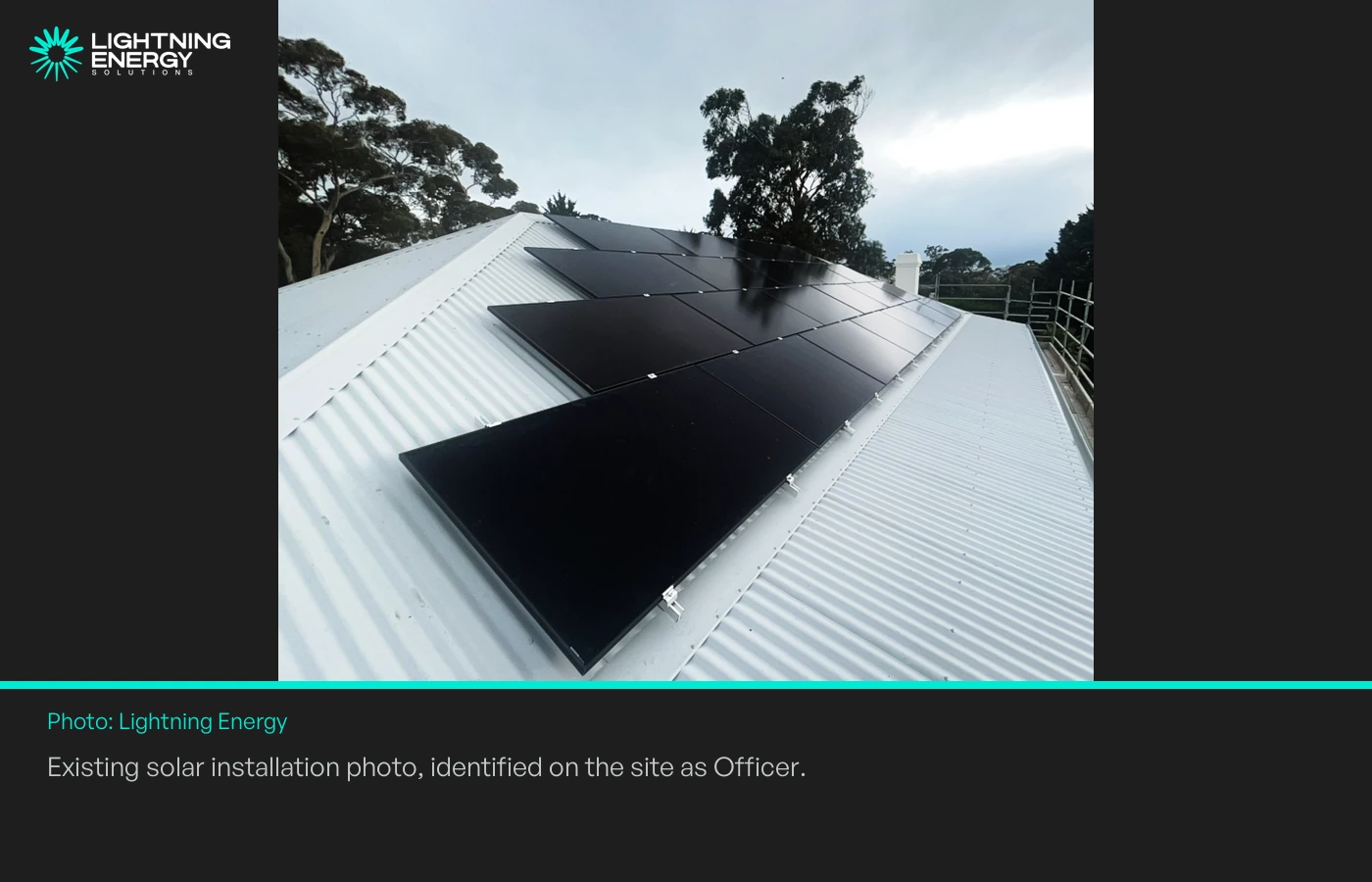
Photo: Lightning Energy. Existing solar installation photo, identified on the site as Officer. Illustrative household context, not the news project.
What a useful proposal should show
Ask for the assumed consumption profile, expected generation basis, treatment of exports and a clear breakdown of installation scope. The incentive calculation should identify which pathway and timing it relies on.
If heating and cooling, refrigeration or vehicle charging is changing, include the future loads carefully. Do not count speculative growth as though it is already contracted demand.
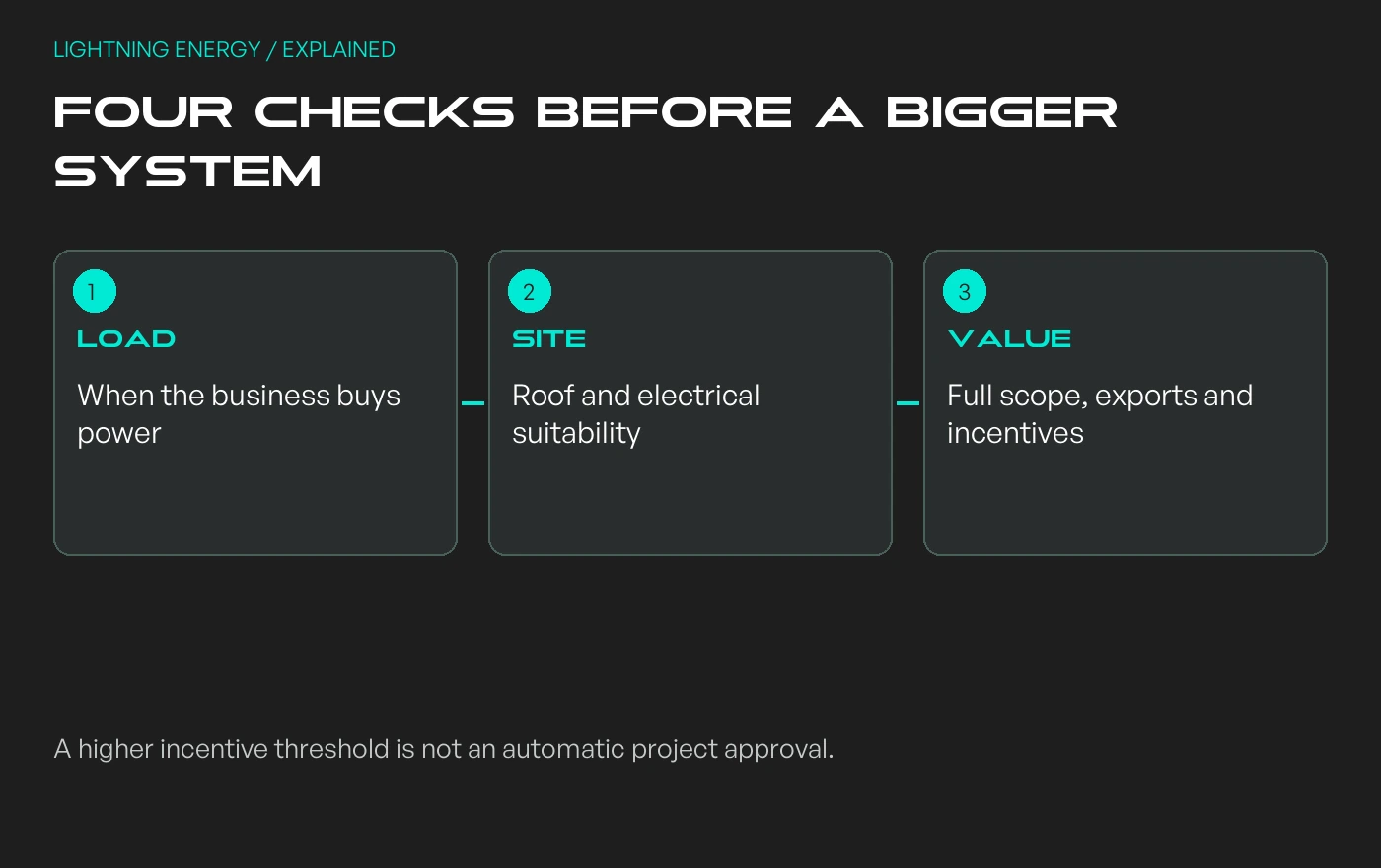
My recommendation is to assess the property and the business together. The new threshold creates options, but some businesses will still be better served by a smaller system, staged work or building improvements first.
Original Lightning Energy graphic. A higher incentive threshold is not an automatic project approval.
Existing systems and the new capacity limit
The federal mid-scale guidance covers systems above 100 kW and no more than 1 MW. Expansions and related systems on the site need to be considered together.
The guidance sets a maximum combined capacity of 1 MW for relevant expansions and a five-year deeming period through 2030. Existing mid-scale systems already supported under the LRET remain in that scheme.
Ask the designer to list existing equipment and explain the proposed certificate pathway. Splitting one project into separate quotations is not evidence that each part independently qualifies.
Keep the scheme calculation separate from the electricity model. Certificates affect the upfront transaction; on-site consumption and exports determine the continuing energy benefit. Both deserve their own explanation.
Approval evidence and cash-flow timing
The official guidance requires accredited equipment and installers, compliant electrical work, planning approvals and network agreements. Supporting evidence can include engineering reports. Eligibility is more than a capacity figure.
Request a responsibility list naming who supplies each document and who follows up on approval requests. A drawing marked preliminary should not quietly become the basis of a fixed savings promise.
An eligible installation date does not mean certificates can already be lodged. Ask how the retailer handles the interval before applications open and whether the quoted discount is fixed or conditional.
For example, a hypothetical business comparing two offers should check whether both show the same incentive treatment. One may deduct an assumed certificate value immediately while another may require a later process.
Neither presentation should be evaluated on its headline total alone. Put payment milestones, outstanding conditions and responsibility for a rejected claim beside each other.
Use our commercial solar quote checklist to keep the design, approval scope and financial assumptions together. Agree the investment on documented conditions rather than an expected rebate alone.
Research rechecked 14 October 2026. The regulator still describes applications as expected in mid-to-late November; confirm the application status before relying on a payment date.
Book a consultation and we'll map solar, storage, hot water, and the rebates around your bills and your goals.
Loading consultations…
Lightning EnergyPlan your next energy upgrade.
⚡
Hi, I’m Lightning Energy’s project guide. I’ll ask a few practical questions, explain what usually matters for your project, and help you decide on a useful next step — no guesswork or sales pressure.
First, what kind of property are we planning for?