
Solar Panels, Batteries and Home Insurance: Questions for Your Insurer
Ask whether your policy covers the installed equipment, what limits apply and which records your insurer needs.
Ask whether your policy covers the installed equipment, what limits apply and which records your insurer needs.
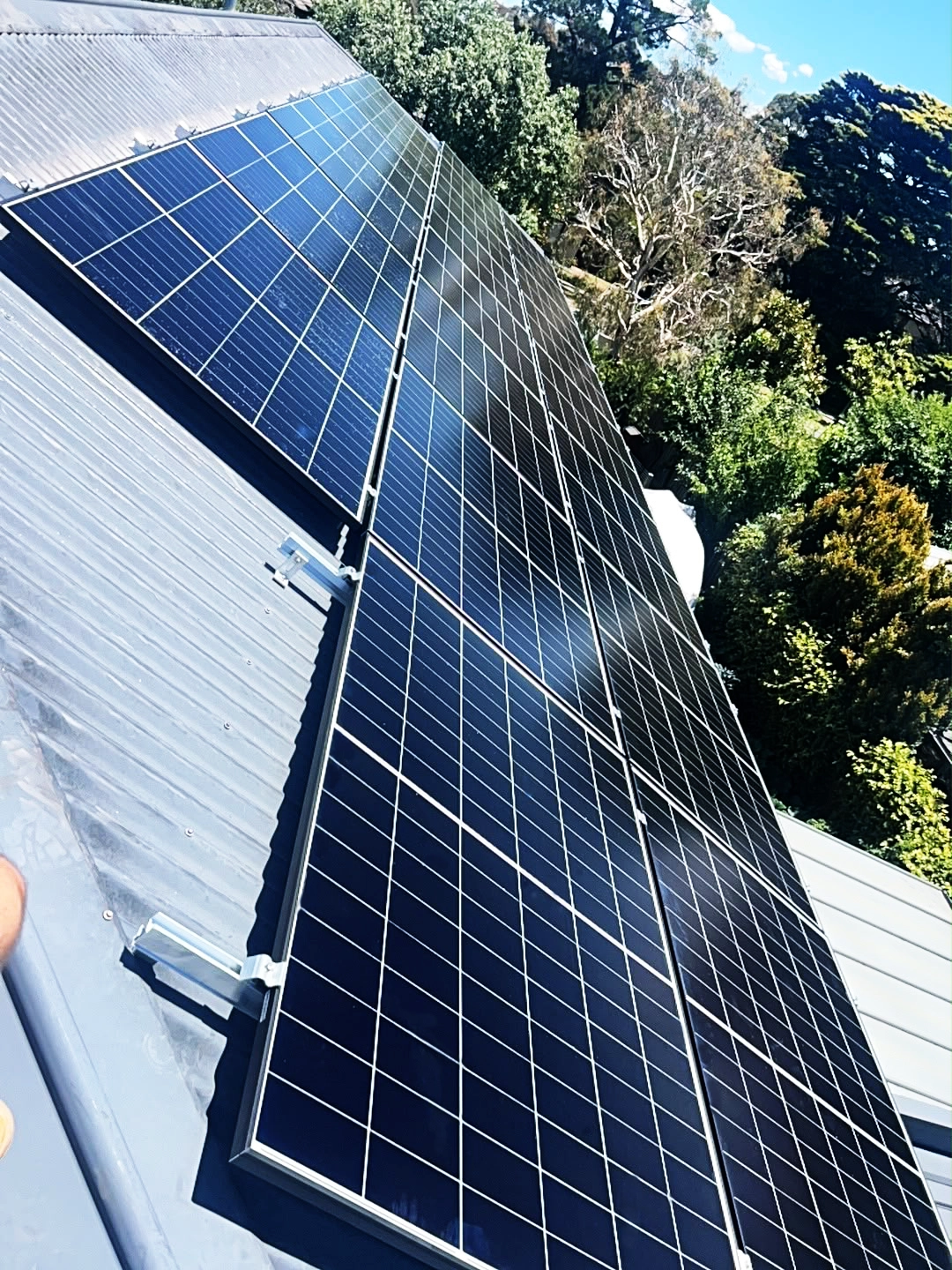
Installing solar panels or a battery is a useful time to review home insurance. Coverage, disclosure requirements, exclusions and limits vary by policy, so there is no reliable blanket rule that an undeclared system is automatically covered or automatically uninsured.
Call or message your insurer (or broker) and tell them what was installed: panel capacity class, inverter, battery make/model if known, and where the battery sits — indoor plant room versus outdoor wall. Ask how they treat solar and storage under building cover, and whether any special conditions apply for outdoor units.
None of that requires you to accept the first number you hear. It requires you to stop assuming last year's schedule covers this year's wall.
The consult can include the practical handover pack homeowners need for insurers: what was fitted, where it sits, and the documents worth filing.
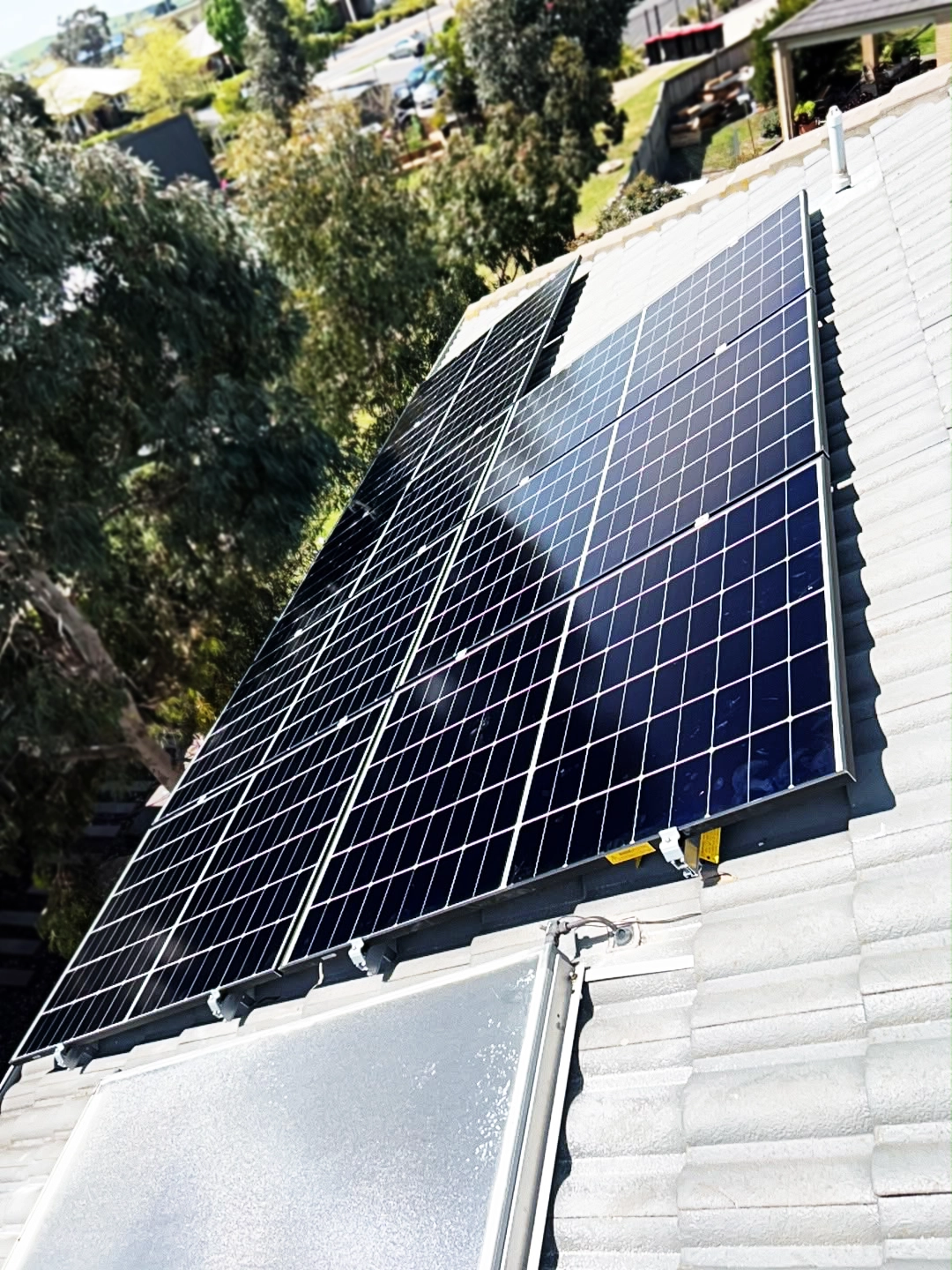
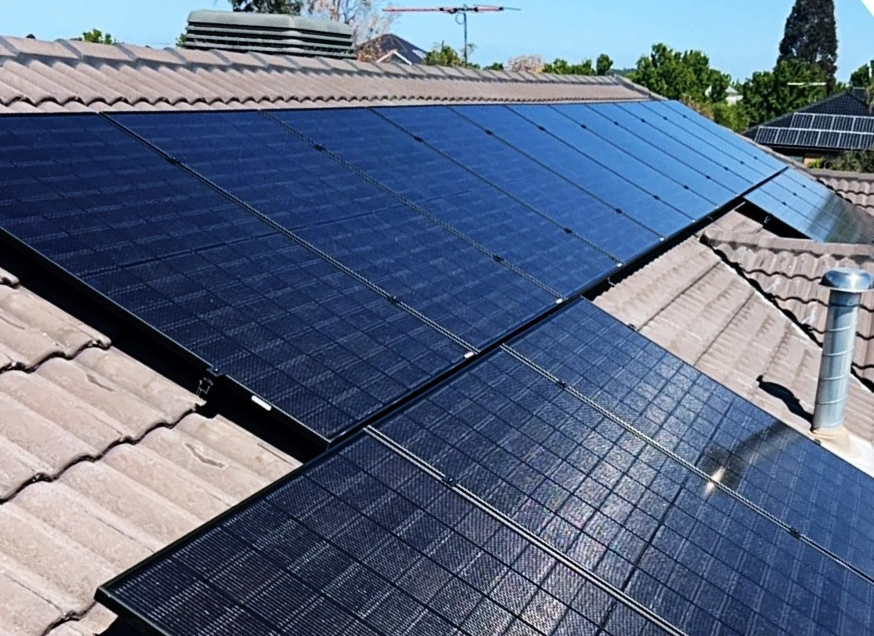
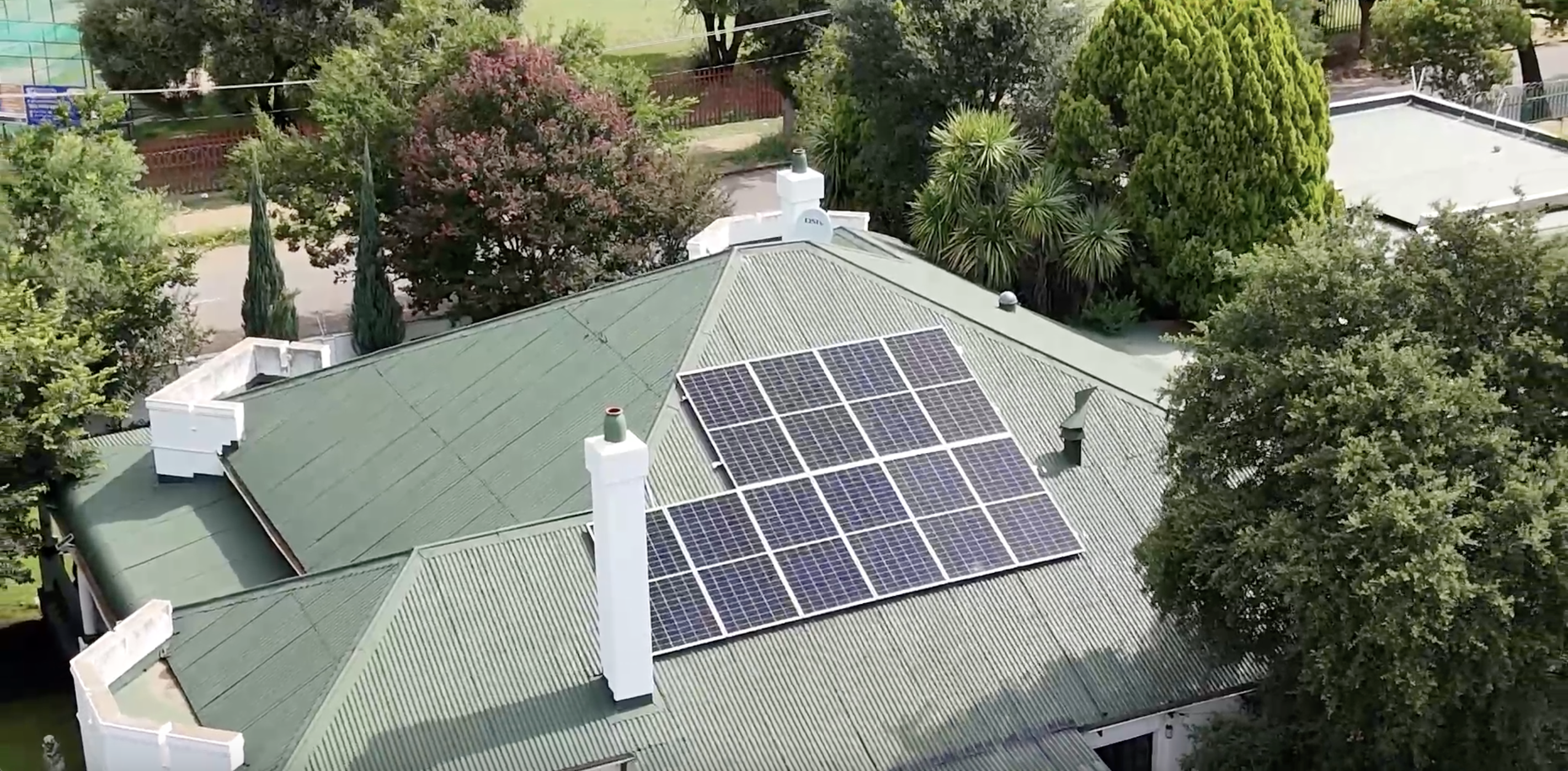
Provide the proposed equipment, installed value and location. Ask whether the panels, inverter, battery and related equipment fall within the building policy, whether you need to notify the insurer before installation and whether any limits or exclusions apply.
For strata property, check the division between the building policy and the cover you arrange personally.
Moneysmart’s home-insurance guidance recommends checking the property’s replacement costs and reviewing cover when the home changes. Ask whether your sum insured adequately reflects the installed equipment and associated reinstatement work.
A manufacturer warranty serves a different purpose from an insurance policy. Neither should be assumed to replace the other.
Retain the invoice, model and serial numbers, installation photographs, certificates and warranty documents. Ask the insurer to confirm its advice in writing so there is a record of the information you supplied.
If damage occurs, follow the insurer’s claims process and obtain appropriate professional assessment. Do not assume a visible fault establishes either the cause of damage or the policy outcome.
Ask about storm, flood, accidental damage and other events relevant to your property, including any applicable excess. Confirm whether a claim would include associated removal, access and reinstatement costs or whether limits apply. Your insurer’s written answer and policy documents govern the cover; a general product brochure cannot establish the outcome of a claim.
Contact Lightning Energy to discuss the options for your property and electricity use.
Available times
Book a consultation and we'll map solar, storage, hot water, and the rebates around your bills and your goals.
Question 1 of 6