
Victoria’s Gas Network Debate: What Homeowners Should Check
Understand Victoria’s gas network cost debate, the March 2027 hot-water changes and how to compare an electric replacement using your own bills.
Understand Victoria’s gas network cost debate, the March 2027 hot-water changes and how to compare an electric replacement using your own bills.

Victoria’s gas debate is about more than the appliance in your kitchen. It also concerns who pays for the network as households change how they heat their homes and water.
For a homeowner, the useful response is a replacement plan based on current rules and actual bills. A prediction about future network costs is not an approved increase on your next account.
This article checks the public regulatory position on 5 November 2026. It explains the cost debate without treating a proposed rule, advocacy position or modelled bill as a settled outcome.
The AEMC’s Gas networks in transition project addresses how gas pipelines are regulated as the energy system changes. Its draft determination was published on 27 August 2026.
The draft includes longer-term planning and changes to capital-cost recovery and tariff arrangements. The AEMC describes the purpose as protecting consumers’ long-term interests while maintaining incentives for safe, reliable service.
At this check, the project page still described a draft process, with expected completion on 17 December 2026. Its 8 October submission deadline had passed. Neither date establishes the outcome of a final decision.
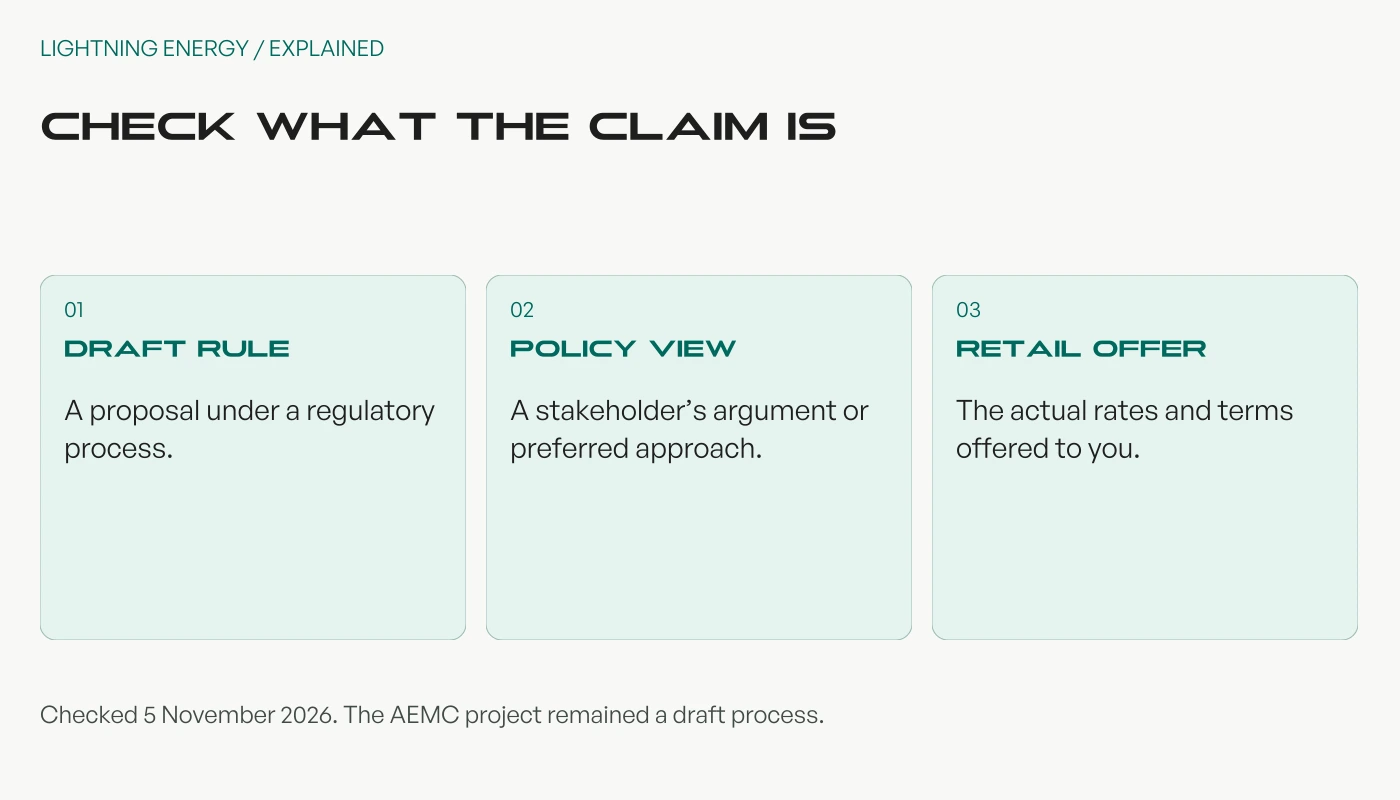
Pipelines are long-lived assets. The debate includes how quickly their costs should be recovered as demand changes. Bringing recovery forward can affect who pays during the transition; it does not make the underlying cost disappear.
In its April 2026 submission, energy-finance think tank IEEFA opposed relying on accelerated depreciation to address stranded-asset risk.
IEEFA argued that the approach could shift costs and risks to consumers. That is its policy position, not a finding that a particular household’s future bill has been determined.
The submission responded to the earlier directions paper. Read it alongside the later AEMC draft rather than assuming every earlier concern describes the final shape of the proposal.
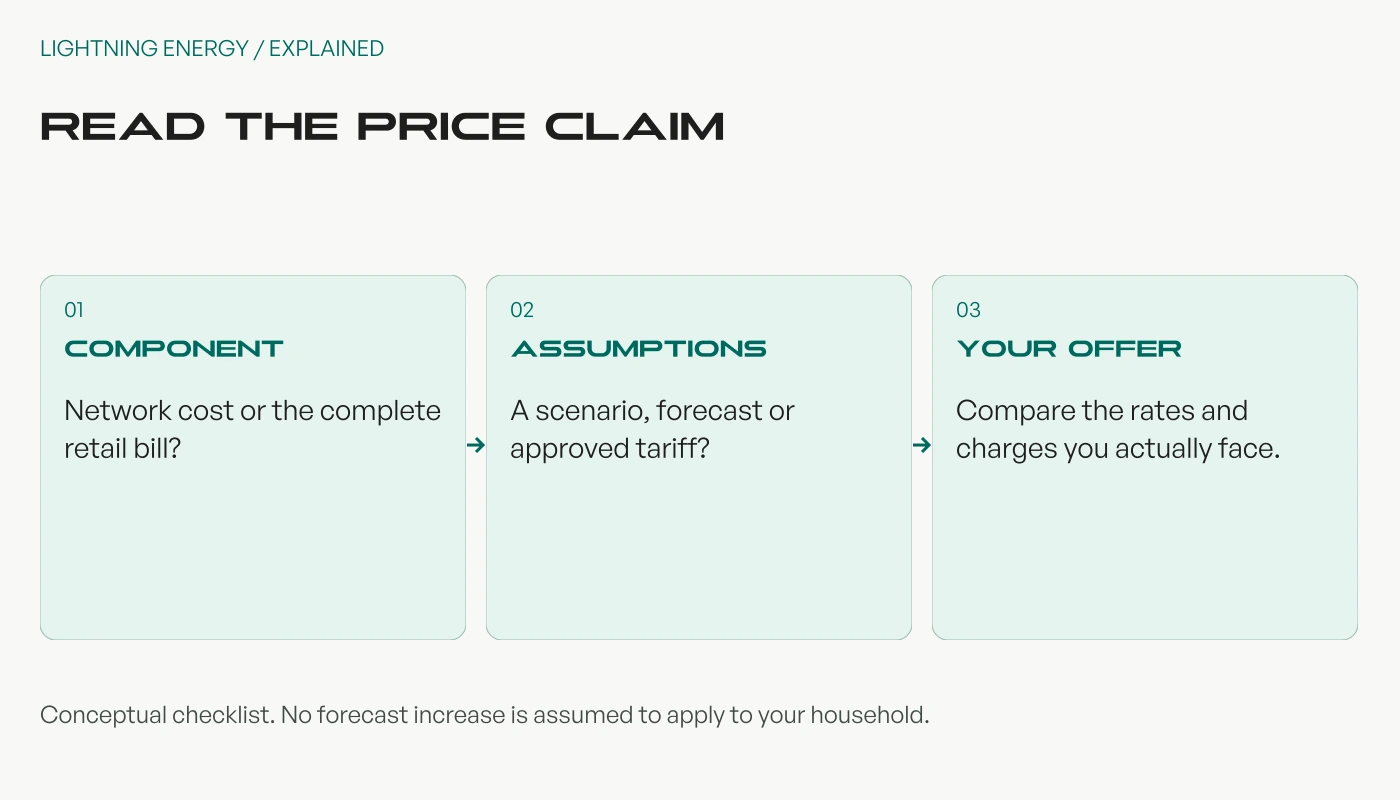
Our practical advice is to ask what a price claim measures. Is it a network component, the full retail bill, a modelled scenario or an approved tariff? Those are different quantities and should not be presented interchangeably.
A network-pricing debate does not itself amend building regulations. Use the Victorian Government’s existing-home guidance for the current position.
That guidance says that from 1 March 2027, gas hot water systems cannot be installed in existing residential buildings.
A system that cannot be repaired, or needs replacement for another reason, must be replaced with an electric alternative.
It also says existing gas space heating and cooktops do not have to be replaced under these existing-home changes.
Existing appliances can continue to be used, maintained and repaired. Different requirements apply to new buildings and rental homes.
Have your installer check how the regulations and any applicable exceptions apply to the particular job. Do not infer a requirement to remove every working gas appliance from a headline about hot water.
Our Victorian hot-water replacement guide explains the planning questions in more detail.
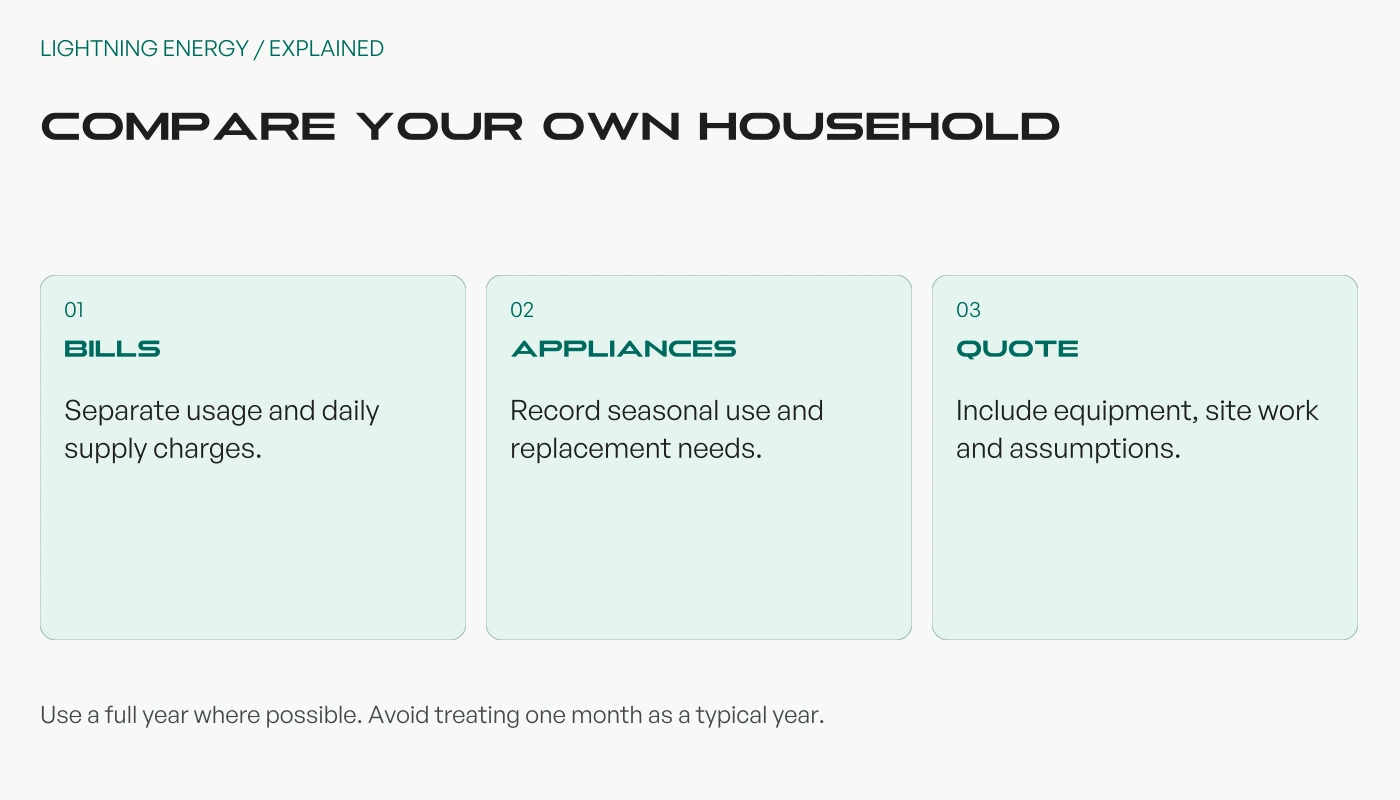
Gather a full year of gas and electricity bills if you have them. Separate usage charges from daily supply charges, then list the appliances that use each fuel. Note winter heating and hot-water demand rather than relying on one mild month.
Ask the installer to explain the assumptions behind the proposed electric alternative: equipment efficiency, operating hours, electricity tariff and installation costs.
Request an estimate that you can follow, with uncertainty made explicit.
Keeping one gas appliance may mean keeping the gas account as well. Ask your retailer what charges continue, and what permanent disconnection involves if you eventually remove the last appliance.
Our guide to keeping gas as backup explains why the fixed charge deserves attention even when fuel use falls.
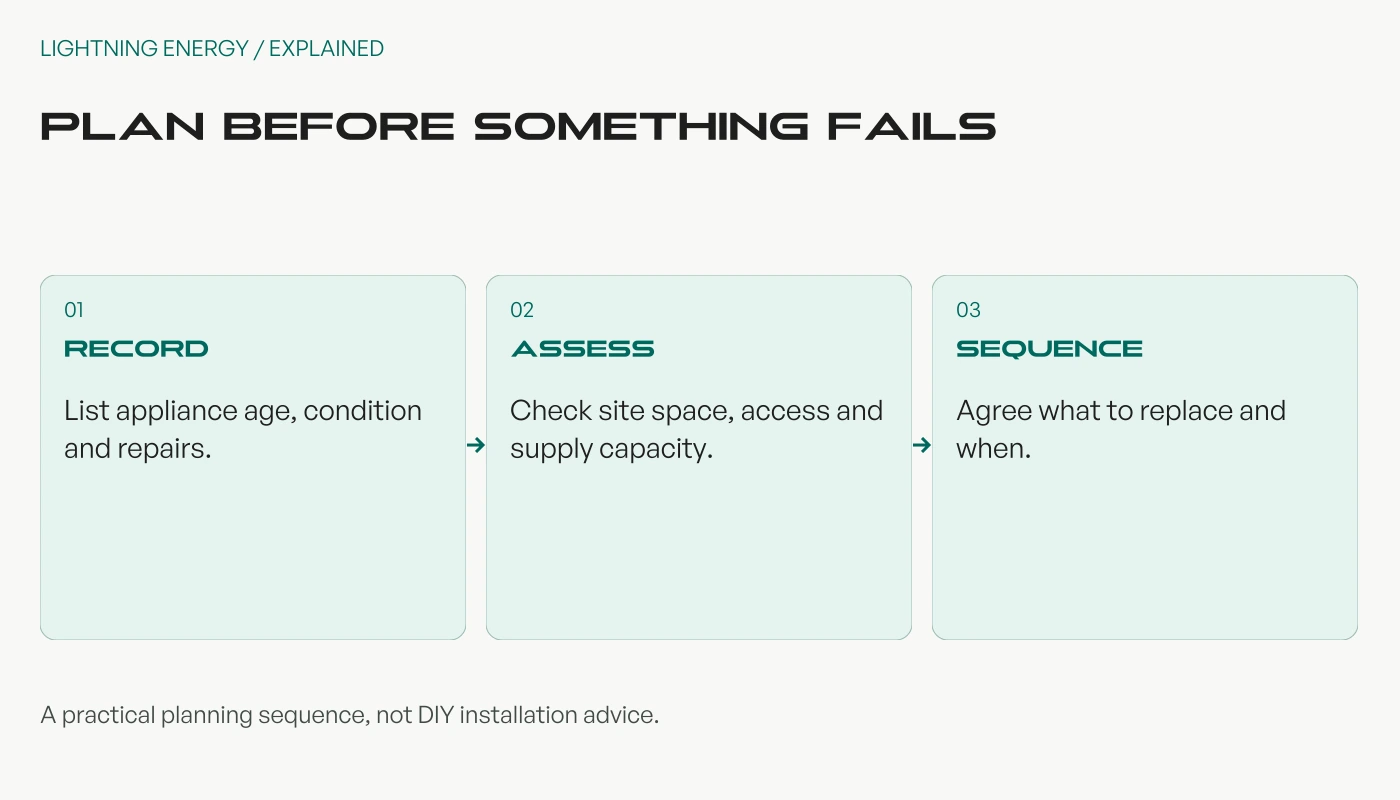
We would start with an appliance list: age, condition, repair history and likely replacement timing. A working system, an unreliable system and a failed system need different decisions.
Then check the property constraints. Electrical capacity, tank space, equipment location and access can affect the installation scope. Organising an assessment before a failure gives you more time to compare practical options.
A staged plan can also avoid paying twice for work that could have been coordinated. Ask which electrical changes are needed now and which can sensibly accommodate a later appliance, without assuming every home needs a major supply upgrade.
For a wider scope, see budgeting to get off gas in Melbourne. It covers costs beyond the appliance price.
Check that the quote identifies the exact equipment, installation work, exclusions and any rebate conditions. Ask for both the upfront cost and the basis for any operating-cost estimate.
We would not recommend waiting indefinitely because a lobbying debate is unresolved, or rushing because someone predicts a particular network-price rise. The stronger decision uses the appliance’s condition and a comparison you can verify.
This is general planning information, not a prediction of future tariffs or advice on a particular regulatory exemption. Recheck official guidance before booking work, especially as commencement dates approach.
Contact Lightning Energy with your appliance list and recent bills if you would like to discuss an electrification assessment and a practical sequence for your home.
Available times
Book a consultation and we'll map solar, storage, hot water, and the rebates around your bills and your goals.
Question 1 of 6
